Children Learn From What We Do, Not What We Say

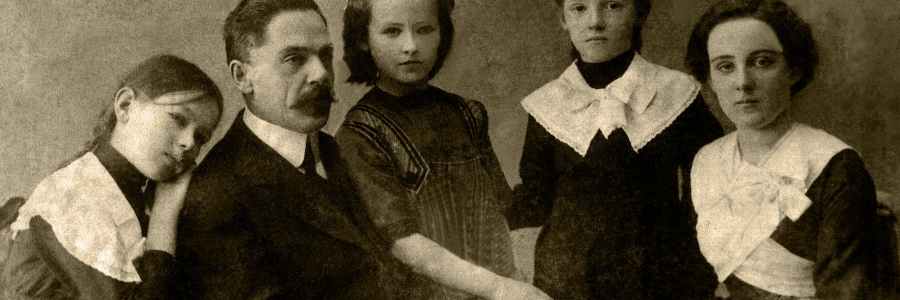
Children are far more perceptive than many adults give them credit for. They notice inconsistencies. They observe how people treat one another, how conflict is handled, whether apologies are genuine, and whether actions match words. Neuroscience and developmental psychology have shown that children learn through observation. Psychologist Albert Bandura demonstrated that children imitate behaviours they… Read More Children Learn From What We Do, Not What We Say

Breaking the Cycle: What Children Really Learn

Intergenerational trauma is not simply about what happens to one generation—it is about the patterns of behaviour, relationships, and emotional responses that are passed from one generation to the next. Neuroscience tells us that a child’s brain is shaped by repeated experiences. Through a process known as experience-dependent neuroplasticity, the developing brain builds neural pathways based… Read More Breaking the Cycle: What Children Really Learn

“Get Over It” Is Not Healing—Healthy Families Break the Cycle

Children and grandchildren learn far more from what they observe than from what they are told. Neuroscience and psychology consistently show that young people develop their understanding of relationships by watching the adults around them. When families remain trapped in anger, resentment, hostility, and unresolved conflict for years or even decades, the next generation absorbs… Read More “Get Over It” Is Not Healing—Healthy Families Break the Cycle

When Children Are Drawn Into Abuse and Coercive Control

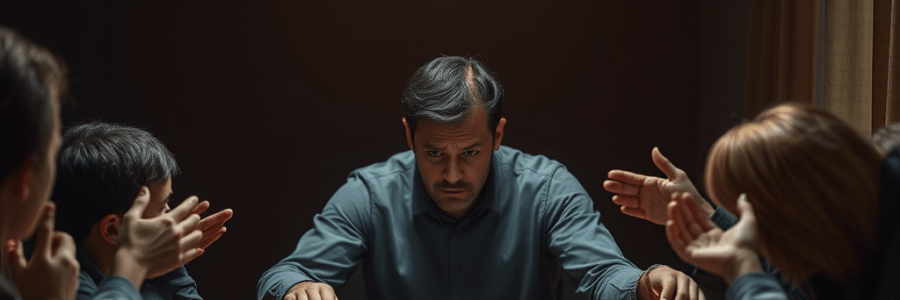
One of the most damaging aspects of domestic abuse is when children or grandchildren become involved in adult conflicts. Whether intentionally or unintentionally, placing children in the middle of abusive dynamics can have lasting psychological consequences. Triangulation occurs when a third person—often a child—is drawn into a conflict between adults. This can involve carrying messages, taking… Read More When Children Are Drawn Into Abuse and Coercive Control

Sacrifice

From the perspectives of psychology and neuroscience, this pattern is not simply about money. When someone pressures a partner to sell their car, home, family heirlooms, or other valuable possessions while concealing their own assets, it can be a form of financial abuse and coercive control. The possessions themselves often carry more than financial value—they represent independence, security, family… Read More Sacrifice

Parents Who Encourage Cheating, Lying, and Disrespect

Parents are a child’s first teachers. Children learn values not from lectures, but from what they see, hear, and experience every day. When parents encourage honesty, integrity, and respect, children are more likely to develop those qualities themselves. But when parents encourage cheating, lying, manipulation, or disrespect, they teach a very different lesson. A parent… Read More Parents Who Encourage Cheating, Lying, and Disrespect

When the Wounded Child Wants the Parent to Suffer

One of the most difficult emotions for survivors of childhood abuse to talk about is the desire to see an abusive parent suffer. Society expects children to love, forgive, and honour their parents, no matter what happened behind closed doors. As a result, many adult survivors carry feelings of anger, resentment, and even thoughts of… Read More When the Wounded Child Wants the Parent to Suffer

The Olympic Sport of Never Being Wrong

After years of extensive research (and surviving one very determined individual), experts have finally identified a rare condition known as Chronic Correctness Syndrome (CCS). Common Symptoms Believing every disagreement is a personal attack. Treating a simple property settlement like a 15-round heavyweight title fight. Holding onto contracts as if they are ancient treasure maps. Rejecting perfectly… Read More The Olympic Sport of Never Being Wrong