When Recovery Begins: The Moment the Pattern Becomes Clear
Recovery often begins long before a person leaves a difficult relationship. It begins with a change in perspective. Many survivors describe a moment when years of confusion suddenly start to make sense. It may happen after a conversation with a trusted friend, reading an article, speaking with a counsellor, or simply noticing that the same… Read More When Recovery Begins: The Moment the Pattern Becomes Clear

The Wedding Was Quick. The Control Lasted Thirty-Two Years.

People look at the wedding photograph and ask the same question. “Why the rush?” Why a whirlwind wedding in Las Vegas? Why get married just before moving to France? Why sell your own secure home which took years to buy, give-up a successful career, financial independence, family and lifelong friends so quickly? For years, I… Read More The Wedding Was Quick. The Control Lasted Thirty-Two Years.

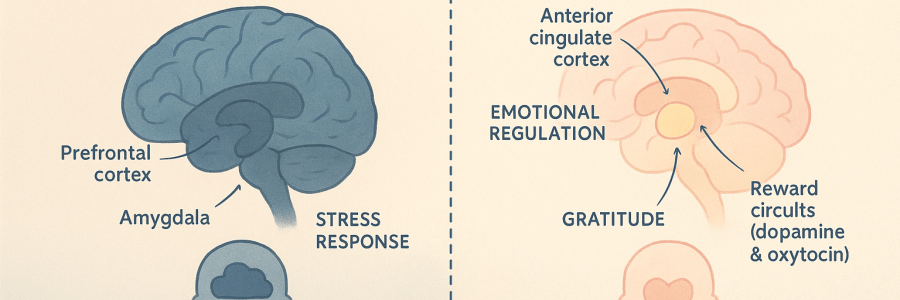
Cortisol and Recovery: How the Body Learns Safety Again

One of the most remarkable discoveries in neuroscience is that the brain and body are designed to recover. Years of stress can change cortisol rhythms, but those changes are not necessarily permanent. Through neuroplasticity—the brain’s ability to reorganise itself—the nervous system can gradually move from survival back to regulation. What is cortisol? Cortisol is often called… Read More Cortisol and Recovery: How the Body Learns Safety Again

🧠 Recovery timeline (what usually shifts and when)

Here’s a realistic recovery timeline after leaving coercive control / trauma bonding, based on what we know from psychology, attachment science, and nervous system recovery. Everyone varies, but the pattern is surprisingly consistent. ⏳ First days to 2 weeks: “shock + withdrawal” This is the most unstable phase. What you might notice: intense longing or urge to reconnect… Read More 🧠 Recovery timeline (what usually shifts and when)

“When the going gets tough, the tough get going.”

“When the going gets tough, the tough get going.” It means that when life becomes difficult, resilient people respond by taking action rather than giving up. In trauma recovery, that can mean something quieter than “pushing harder.” It might mean: asking for help, resting when your body needs it, setting a boundary, walking away from… Read More “When the going gets tough, the tough get going.”

Feeling Alive After Abuse

There are moments in healing that don’t arrive loudly. They don’t announce themselves.They don’t feel like victory speeches or dramatic endings. Sometimes they simply feel like this: “I feel alive again.” For me, that realisation came after 18 months of therapy and deep self-reflection. Not quickly. Not easily. Not without setbacks. But gradually… something shifted.… Read More Feeling Alive After Abuse

🧭 What rebuilding often actually looks like

Rebuilding your life after decades of cruelty is less like “starting over” and more like relearning safety, identity, and choice in a system that trained you to survive, not live. It’s a slow reconstruction of both the nervous system and the sense of self. 🧭 What rebuilding often actually looks like 1. Learning that “calm” isn’t… Read More 🧭 What rebuilding often actually looks like

First 30 Days After Leaving – Recovery Checklist

Week 1: Stabilise & Contain the Chaos This is usually the most emotionally volatile stage. ☐ Reduce or stop contact (no-contact if possible) ☐ Block or mute if messages/emails are destabilising ☐ Remove triggers (photos, chats, social media checking) ☐ Prioritise sleep, food, hydration—basic regulation first ☐ Tell at least one trusted person what’s happened… Read More First 30 Days After Leaving – Recovery Checklist