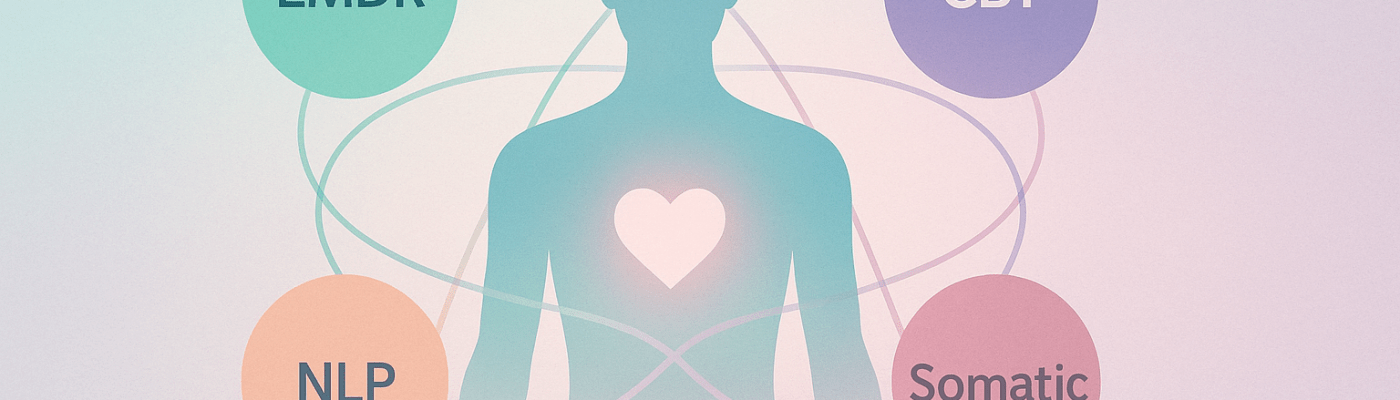
One of the most remarkable discoveries in neuroscience is that the brain and body are designed to recover. Years of stress can change cortisol rhythms, but those changes are not necessarily permanent. Through neuroplasticity—the brain’s ability to reorganise itself—the nervous system can gradually move from survival back to regulation.
What is cortisol?
Cortisol is often called the “stress hormone,” but it is actually a vital hormone produced by the adrenal glands that helps regulate:
- Energy production
- Blood sugar
- Blood pressure
- Immune function
- Memory
- Inflammation
- Sleep and wake cycles
Healthy cortisol follows a predictable rhythm.
A healthy cortisol pattern
Morning
- Cortisol rises rapidly.
- You wake feeling refreshed and alert.
Midday
- Levels gradually decline.
- Energy remains stable.
Evening
- Cortortisol continues to fall.
- The body prepares for rest.
Night
- Cortisol reaches its lowest point.
- Repair, immune function and memory consolidation occur during sleep.
What chronic stress does
When someone experiences prolonged emotional abuse, coercive control or constant unpredictability, the brain begins to interpret everyday life as potentially dangerous.
The amygdala (the brain’s alarm system) becomes more reactive.
The hypothalamus-pituitary-adrenal (HPA) axis remains activated.
Instead of switching off after a stressful event, the body stays on alert.
Over months or years this can produce:
- difficulty sleeping
- waking at 3–4 am
- digestive problems
- muscle tension
- anxiety
- fatigue
- memory problems
- increased inflammation
- lowered immunity
Many survivors describe feeling exhausted while simultaneously unable to relax.
Why safety feels unfamiliar
For someone living with chronic stress, the nervous system adapts.
High alert becomes “normal.”
Silence may feel uncomfortable.
Peace may even feel boring or suspicious.
This is because the brain has learned to predict danger.
It isn’t weakness.
It is adaptation.
The recovery process
Recovery is less about “thinking positively” and more about repeatedly giving the nervous system evidence that it is safe.
1. Consistent sleep
Going to bed and waking at similar times helps restore the body’s natural cortisol rhythm.
Every regular morning light exposure reinforces the message:
“It is daytime. You are safe. This is a new day.”
2. Predictable relationships
Safe relationships reduce hypervigilance.
Instead of wondering:
“Will they shout?”
“Will they criticise me?”
“Will they ignore me?”
the brain begins to expect consistency.
Over time the amygdala becomes less reactive.
Trust literally changes neural pathways.
3. Physical movement
Walking, swimming, cycling and strength training all help metabolise stress hormones.
Exercise also increases:
- endorphins
- serotonin
- dopamine
- brain-derived neurotrophic factor (BDNF)
BDNF is sometimes called “fertiliser for the brain” because it supports new neural connections and recovery.
4. Nature
Research consistently shows that spending time among trees, green spaces or the sea lowers cortisol.
Even twenty minutes outside can reduce physiological stress markers.
Natural environments give the brain fewer threats to process and more opportunities to regulate.
5. Breathing and vagal regulation
Slow breathing stimulates the vagus nerve, which activates the parasympathetic nervous system—the body’s natural “rest and digest” response.
This slows:
- heart rate
- blood pressure
- muscle tension
- cortisol release
One calm breath will not erase years of stress.
Thousands of calm breaths over months begin to reshape the nervous system.
6. Psychological support
Trauma-informed therapy helps the brain organise memories instead of continually reliving them.
The prefrontal cortex—the part involved in reasoning and emotional regulation—becomes better able to calm the amygdala.
People often notice:
- clearer thinking
- improved concentration
- less reactivity
- better sleep
- more emotional flexibility
Neuroplasticity: the science of hope
The brain is constantly changing.
Every peaceful morning…
Every respectful conversation…
Every walk in nature…
Every uninterrupted night’s sleep…
Every boundary that is honoured…
is another repetition teaching the nervous system:
“This is different. You are safe now.”
Neural pathways that were strengthened by fear gradually weaken, while pathways associated with calm, connection and resilience become stronger.
What recovery often feels like
Many people expect healing to feel dramatic.
Instead, it often arrives quietly.
You notice that:
- you slept through the night,
- your shoulders are no longer tense,
- you laughed without forcing it,
- your stomach doesn’t knot every time the phone rings,
- you make a decision without fear of criticism,
- you realise hours have passed without thinking about survival.
These small moments are signs that cortisol rhythms and the nervous system are beginning to regulate again.
A final thought
The nervous system learns through experience. If it can learn fear through thousands of moments of unpredictability, it can also learn safety through thousands of moments of consistency, kindness and peace.
Recovery is not forgetting what happened. It is your brain and body gradually discovering that survival is no longer the only way to live.

