From Surviving to Living: Proof That Change After Abuse Is Possible

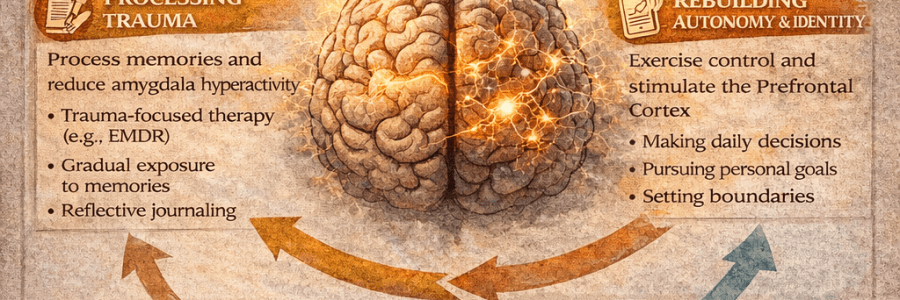
For many people living in abusive, controlling, or deeply unhealthy relationships, life can begin to feel very small. Not because they are weak.But because chronic stress changes the way the brain and body function. You stop living. You start surviving. You become focused on: staying safe, avoiding conflict, managing someone else’s emotions, anticipating what might… Read More From Surviving to Living: Proof That Change After Abuse Is Possible

Psychology of Abuse, Manipulation & Control

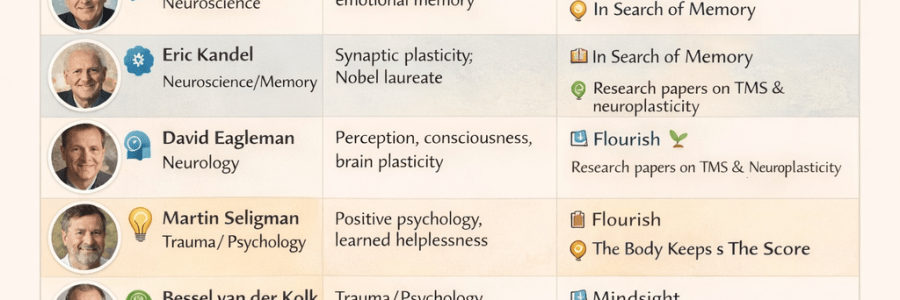
Key Researchers & What They Explain 🧑‍🔬 Specialist 🧩 Focus Area 🔍 Core Idea 💥 What It Explains in Real Life John Bowlby Attachment theory Early caregiver bonds shape emotional security Why people repeat relationship patterns (anxious, avoidant, etc.) Mary Ainsworth Attachment styles Secure vs insecure attachment patterns Why some people feel safe in love,… Read More Psychology of Abuse, Manipulation & Control

Key Specialists on Abuse, Manipulation & Psychological Control

🧠 Stanley Milgram – Obedience to Authority Stanley Milgram Focus: Why ordinary people obey harmful instructions. Key finding: People can commit harmful acts if they believe: authority is responsible they are “just following orders” Why it matters for abuse: Explains how people justify harmful behaviour in systems, relationships, or authority-based dynamics. 🧪 Philip Zimbardo –… Read More Key Specialists on Abuse, Manipulation & Psychological Control

Childhood Attachment & Abuse Dynamics

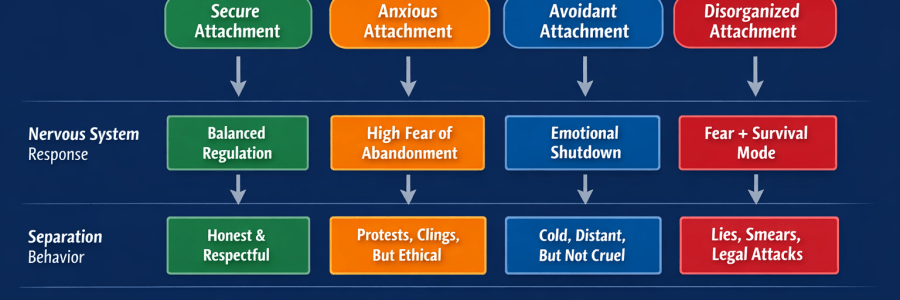
Why some people tolerate what others would never accept Not everyone who experiences abuse stays.And not everyone who stays is weak. The difference often begins in childhood. 👶 The Original Blueprint As a child, you don’t choose your environment.You adapt to it. If love, safety, or attention were inconsistent, withdrawn, or conditional, your nervous system… Read More Childhood Attachment & Abuse Dynamics

Professional Evidence Table: Emotional & Psychological Abuse

Category of Evidence Description What It May Include Why It Matters Reliability Level Victim Contemporaneous Records Notes written close to the time of incidents Diaries, journals, dated logs, personal accounts, email-to-self records Captures immediate emotional impact and reduces hindsight distortion High Digital Communications Messages showing patterns of psychological control Texts, emails, voice notes, WhatsApp messages… Read More Professional Evidence Table: Emotional & Psychological Abuse

This Is Not Normal: Understanding Abuse Through Neuroscience

If you have ever been told that throwing things, shouting in your face, trying to physically harm you, threatening you, or controlling your access to money, transport, or even your passport is “normal” in a relationship—it is not. It is abuse. And understanding this isn’t just about opinion or perspective. It is grounded in how… Read More This Is Not Normal: Understanding Abuse Through Neuroscience

Criminal Liability, Behavioural Control, and the Neuroscience of Post-Separation Abuse

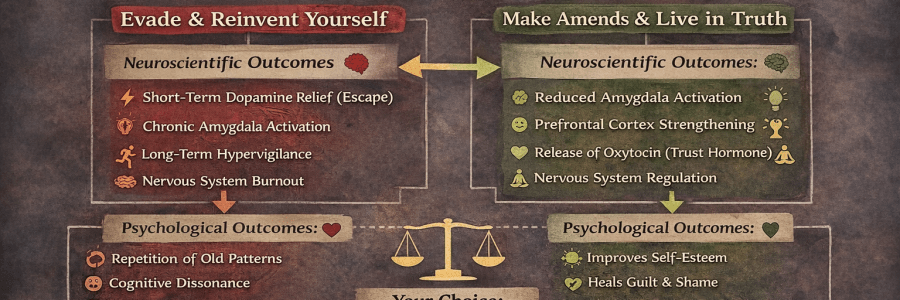
When abuse continues after separation, it is often misunderstood as emotional “refusal to move on.” In reality, psychology and neuroscience show that entrenched behavioural patterns do not automatically soften when a relationship ends — and in some cases, external distance can intensify control-based responses. At the same time, in many jurisdictions, behaviours such as harassment,… Read More Criminal Liability, Behavioural Control, and the Neuroscience of Post-Separation Abuse

The core truth (clinically & legally sound)

Naming behaviour you previously ignored does not create harm — it reveals it.When a psychologist helps you identify that certain behaviours were harassment, bullying, or rights violations, that is reality integration, not exaggeration. This process: Restores accurate perception Reduces self-blame Reclaims dignity and autonomy Interrupts coercive narratives Supports recovery from trauma Many survivors only realise after safety is established: “What… Read More The core truth (clinically & legally sound)