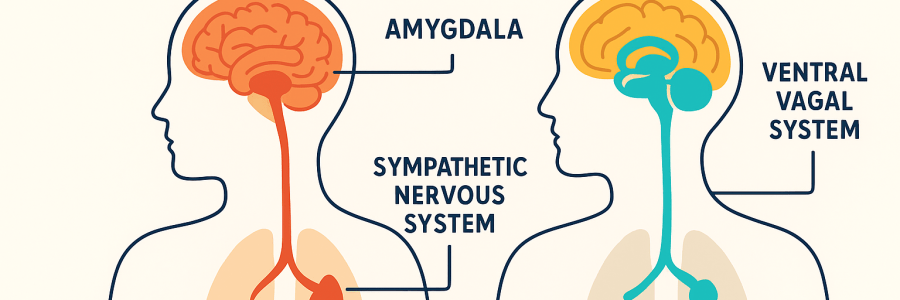
Friendship-first intimacy
Friendship-first intimacy, where a romantic or sexual relationship grows slowly from a foundation of friendship. That’s a very different experience from a “love-at-first-sight” rush—it tends to feel deeper and more secure. Here’s what it’s usually like, from both psychological and emotional perspectives: 1. Safety and Trust Since you already know each other, there’s a strong… Read More Friendship-first intimacy

Top 7 Red Flags of Lifestyle Predators

1. Charm Overload and Rapid Intimacy They sweep you off your feet extremely quickly (“love bombing”). Excessive flattery, gifts, or attention early in the relationship. Goal: Lower your defenses and create dependence. 2. Inconsistency & Secretive Behavior Stories don’t add up; details change. They hide aspects of their life or avoid transparency. Often maintain multiple relationships or… Read More Top 7 Red Flags of Lifestyle Predators

1. Psychological and Emotional Background

Predatory behavior often arises from unresolved psychological needs or personality patterns. Common factors include: Early trauma or neglect: People who experience abuse, neglect, or abandonment as children may develop deep insecurities. Some respond by controlling or exploiting others to regain a sense of power. Attachment issues: Insecure or disorganized attachment (where a child doesn’t form a healthy… Read More 1. Psychological and Emotional Background

How to Recognise Lifestyle Predators Early

The Five Red Flags of Emotional Extraction By Linda C. J. Turner | Trauma Therapist & Neuroscience Practitioner© LindaCJTurner.com They don’t always arrive with demands — sometimes they come wrapped in charm, empathy, or “innocent need.”Here’s how to spot the early signs before emotional extraction begins. 1. Rapid Intimacy and Emotional Mirroring They move quickly… Read More How to Recognise Lifestyle Predators Early

The Psychology of the Lifestyle Predator: When Charm Masks Dependency

By Linda C. J. Turner | Trauma Therapist & Neuroscience Practitioner© LindaCJTurner.com They don’t come with a warning label.They arrive charming, engaging, even slightly wounded — speaking of deep values, simplicity, “authentic living.” They seem low-maintenance, emotionally aware, perhaps even spiritual. But beneath the surface lies a driving agenda: survival through someone else’s stability. They are… Read More The Psychology of the Lifestyle Predator: When Charm Masks Dependency

When “Genuine” Isn’t Genuine: The Psychology Behind Mixed Signals and Emotional Inconsistency

By Linda C. J. Turner | Trauma Therapist & Neuroscience Practitioner© LindaCJTurner.com At first, they seem authentic — warm, spontaneous, “real.”They meet you quickly after first contact, talk easily, and seem to share your values. They say they’re looking only for friendship. They speak with sincerity, charm, and that elusive emotional familiarity that makes you… Read More When “Genuine” Isn’t Genuine: The Psychology Behind Mixed Signals and Emotional Inconsistency

Mirror, Mirror: How Toxic People Shape Our Minds

Ever noticed how, after being with someone miserable or abusive for a long time, you start acting like them? It’s not magic. It’s your brain doing what it’s designed to do. Mirror neurons help us empathize, learn, and connect. But in a toxic relationship, they also absorb negativity. Constant exposure to criticism, manipulation, or mood swings rewires your… Read More Mirror, Mirror: How Toxic People Shape Our Minds

When “Crying Wolf” Becomes a Habit: The Psychology of Feigned Illness and Emotional Fatigue

At first, compassion comes easily.A friend or partner says they’re unwell, exhausted, overwhelmed — and we respond with empathy and care. But when the pattern repeats endlessly, without genuine cause or change, something shifts. We begin to feel emotionally drained, skeptical, and even resentful. The story of the wolf, told once too often, loses its… Read More When “Crying Wolf” Becomes a Habit: The Psychology of Feigned Illness and Emotional Fatigue

Moving On at Last: When the Mind Finally Lets Go

After a long period of emotional uncertainty, there comes a moment — often quiet, unremarkable at first — when the mind simply decides: enough.It’s not always about dramatic closure or final words. Sometimes, it’s the gradual rewiring of the brain as emotional exhaustion meets self-preservation. From a neuroscientific perspective, the process of “moving on” is less about forgetting… Read More Moving On at Last: When the Mind Finally Lets Go