By Linda C. J. Turner | Trauma Therapist & Neuroscience Practitioner
© LindaCJTurner.com
At first, they seem authentic — warm, spontaneous, “real.”
They meet you quickly after first contact, talk easily, and seem to share your values. They say they’re looking only for friendship. They speak with sincerity, charm, and that elusive emotional familiarity that makes you feel like you’ve known them for years.
Yet soon, contradictions begin to appear.
They say they’re not impressed by cars — but tell stories about all the cars they’ve driven.
They claim money doesn’t matter — yet speak about it constantly.
They ask if you own your house, if you have a mortgage, even if they can store their furniture or park their van at your place.
When you need something, they’re suddenly “busy,” “working,” or “travelling.”
They insist they want to be alone — yet they’re active on dating sites.
They say they hate crowds and beaches — then post from a packed hotel on the coast.
They complain about your home, your fridge, the way you live — all while contributing nothing.
And when you express discomfort or confusion, they accuse you of being jealous or too sensitive, just like their “last partner.”
So what’s really going on here?
1. The Mask of False Authenticity
Neuroscience shows that humans are wired to seek resonance — that sense of safety and familiarity we feel when someone mirrors our values, tone, and rhythm.
Manipulative or emotionally avoidant personalities unconsciously exploit this.
They mirror just enough to create connection, but it’s performance, not presence. Once the initial bond is formed, the mask slips, and inconsistency sets in.
Their words and actions don’t align — a hallmark of cognitive dissonance, often present in individuals with unresolved attachment wounds or narcissistic traits.
2. The Subtle Power Play
The pattern of asking questions like “Do you own your house?” or “Can I leave my things there?” isn’t curiosity — it’s testing boundaries.
Every small request is a step toward control or dependence.
When they dismiss your needs or ignore reciprocity, it reveals their core dynamic: taking space, not sharing it.
This behaviour isn’t always consciously malicious — but it’s emotionally exploitative nonetheless.
3. The Neuroscience of Confusion
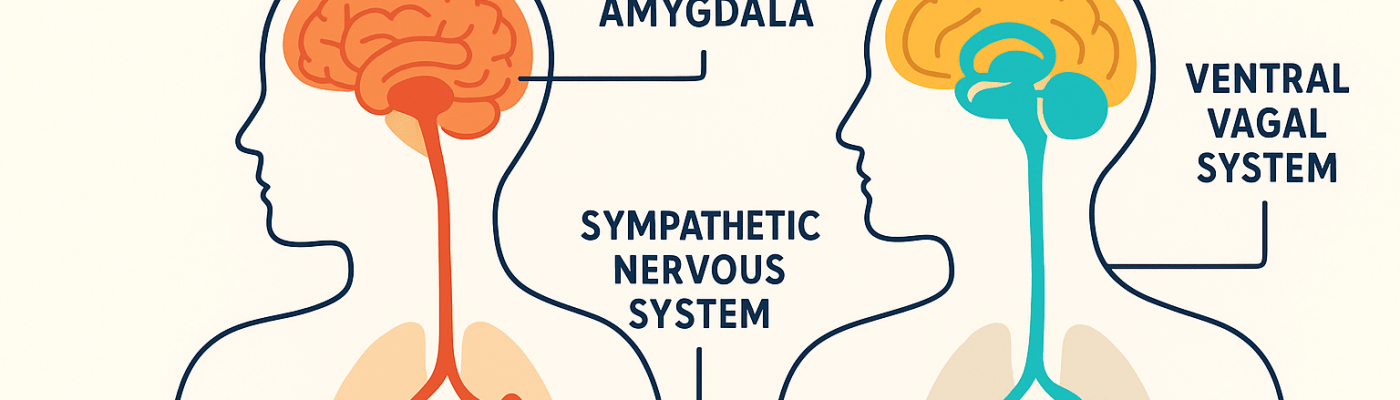
When someone’s words and actions constantly conflict, your nervous system becomes disoriented.
The brain’s limbic system, responsible for emotional regulation, can’t predict safety — leading to anxiety, hypervigilance, or guilt (“Maybe it’s me?”).
This confusion is a form of psychological manipulation often called cognitive gaslighting.
It keeps you questioning your own perceptions instead of theirs.
4. The Emotional Echo of Past Trauma
If you’ve grown up in environments where love and approval were inconsistent, you’re more likely to tolerate this emotional chaos.
Your brain associates unpredictability with attachment — confusing familiar with safe.
That’s why leaving such relationships can feel like withdrawal.
5. Reclaiming Your Inner Clarity
The way back isn’t anger — it’s awareness.
Notice the mismatch between words and actions.
Stop making excuses for patterns that hurt you.
Healthy people don’t keep you off balance; they make you feel calm, seen, and equal.
Authenticity isn’t a performance — it’s consistency over time.
When someone’s version of “connection” drains you instead of grounding you, that’s your nervous system whispering the truth:
They were never genuine — they were simply skilled at appearing to be.
Closing Reflection
The moment you start doubting what you feel, pause and come home to your body.
If your gut feels uneasy, if your peace keeps being interrupted, trust that.
The nervous system never lies — even when people do.

