The psychology of “I haven’t lived enough”

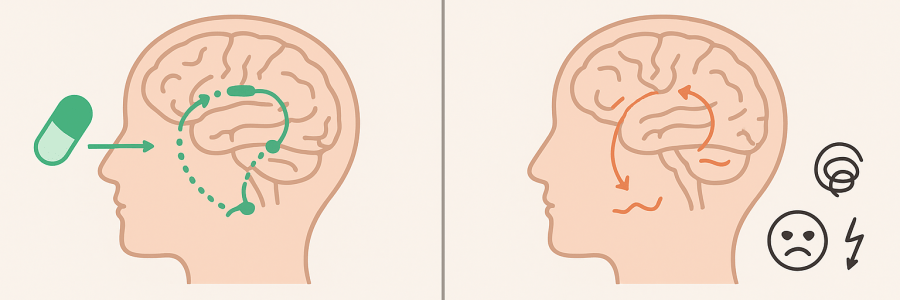
The fear of death often stems from feelings of regret and unfulfilled life experiences. While this fear can cause existential anxiety, confronting mortality can enhance appreciation for everyday moments. Instead of fixating on past regrets, individuals can focus on how to meaningfully live the time they have left, finding value in presence and connection.… Read More The psychology of “I haven’t lived enough”
When the Social Evidence Appears After the Relationship Ends

The reflection post discusses how a partner’s negative behavior can influence social connections. It reveals that friends may feel uncomfortable around a difficult partner, impacting invitations to social gatherings. After a breakup, the author notices a shift in social dynamics, suggesting that friends valued their company but avoided the partner’s tense presence.… Read More When the Social Evidence Appears After the Relationship Ends

Bitterness, vengeance and maliciousness: definitions, characteristics and examples

The content explores three emotional responses: bitterness, vengeance, and maliciousness, particularly following experiences like betrayal or conflict. Bitterness involves persistent resentment, vengeance focuses on retaliation, while maliciousness aims to harm others. Understanding these distinctions aids in trauma therapy and relationship recovery, as emotions can overlap but serve different purposes in healing.… Read More Bitterness, vengeance and maliciousness: definitions, characteristics and examples

When the Behaviour You Taught Comes Back to You

The content discusses how children learn behaviors from their parents, often unconsciously adopting negative patterns such as manipulation, disrespect, or cruelty. It emphasizes the importance of modeling healthy relationship dynamics, as children may later reflect these learned behaviors back onto their parents. The piece urges introspection on what values are being taught through actions, not just words.… Read More When the Behaviour You Taught Comes Back to You

What Are We Really Teaching Our Children?

The content discusses the impact of adult behavior on children’s understanding of kindness and relationships. It highlights the contradiction between teaching respect while adults engage in cruel behavior for amusement. The text emphasizes that children learn from adult actions, urging a reflection on how choices can influence their values and treatment of others.… Read More What Are We Really Teaching Our Children?

When Someone Suggests They Know Something About A Child That You Don’t Know — Don’t Ignore the Alarm Bells

Sometimes the most important warning sign isn’t what someone tells you. It’s what they imply they know. Imagine someone makes an apparently casual comment about your child. Perhaps they mention something you didn’t know. Perhaps they imply they have information about your child’s life that hasn’t been shared with you. Perhaps they say: “I know… Read More When Someone Suggests They Know Something About A Child That You Don’t Know — Don’t Ignore the Alarm Bells

Would You Believe the Evidence — or Protect the Person You Love?

The content discusses the complexities of recognizing and addressing potential grooming behaviors towards children by trusted individuals. It emphasizes the psychological challenges parents face when confronted with allegations against those they know and care for, urging them to remain vigilant for warning signs and prioritize their children’s safety above discomfort or reputations.… Read More Would You Believe the Evidence — or Protect the Person You Love?

Deny, Deny, Deny: The Psychology of Denial When Someone Is Confronted With Evidence of Grooming

The text discusses how denial, defensiveness, loyalty, and fear can impact responses to suspected grooming behaviors. It highlights psychological conflicts individuals face when confronted with evidence against trusted people, often resulting in minimizing concerns or attacking the witness instead of addressing the allegations. The focus should remain on investigating behavior, not reputation.… Read More Deny, Deny, Deny: The Psychology of Denial When Someone Is Confronted With Evidence of Grooming