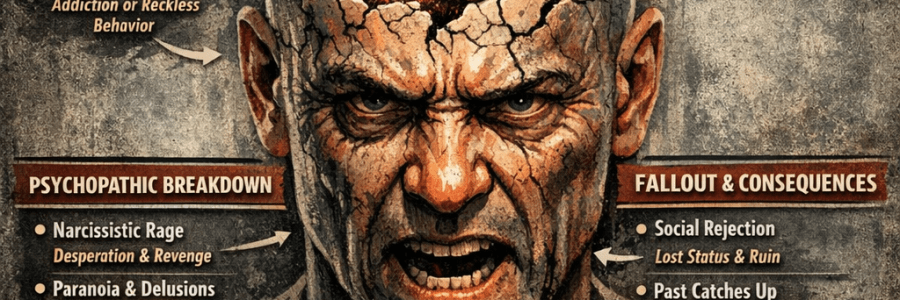
What impression management can look like in practice

Impression management is a well-studied concept in forensic psychology and sociology. It refers to the ways individuals deliberately shape how others perceive them—especially to appear normal, trustworthy, or harmless while hiding behaviours, intentions, or risks that would damage that image. In the context of offending behaviour, it is often discussed in relation to “deceptive self-presentation” or “social masking.”… Read More What impression management can look like in practice
Evidence-Based Treatments for Trauma and Complex PTSD

There are several evidence-based approaches to treating trauma. The most appropriate treatment depends on the type of trauma, whether the danger has ended, the person’s symptoms, and whether the trauma was single-event or prolonged/complex. Main treatments for trauma For complex or prolonged trauma Treatment often needs to be phased rather than simply focused on the traumatic memory… Read More Evidence-Based Treatments for Trauma and Complex PTSD

Why Some Men Wait Until the Divorce Is Final Before Making Their Move

Not every man is comfortable starting a new relationship with someone who is still legally married. For many, it isn’t about a lack of interest—it’s about respecting boundaries. Some men want the reassurance that the past has been fully closed before investing emotionally in the future. They don’t want to become involved in legal complications,… Read More Why Some Men Wait Until the Divorce Is Final Before Making Their Move

Power, Control and Intimidation: What Drives Abusive Behaviour?

What an abuser may experience psychologically while they are insulting, threatening or physically intimidating someone, there isn’t one universal emotional response. But certain patterns are commonly associated with abusive behaviour. One important distinction is that abuse isn’t necessarily about losing control. In many situations, intimidation is actually being used to gain control. And that leads to a… Read More Power, Control and Intimidation: What Drives Abusive Behaviour?

🧠 When Someone You Love Has ASPD: Choosing to Stay or Walk Away

And why choosing your safety isn’t cruel—it’s necessary. We don’t often talk about what it really means to live with someone diagnosed with Antisocial Personality Disorder (ASPD)—or what it costs your soul to stay. When people hear “ASPD,” they often think of criminals or serial offenders. But ASPD shows up far more subtly in daily life—partners, parents, siblings,… Read More 🧠 When Someone You Love Has ASPD: Choosing to Stay or Walk Away

🧠 ASPD and Coming Clean: Should You Tell a New Partner the Truth?

When hiding it hurts, and healing begins with radical honesty. We live in a world where image often matters more than truth.Where people with serious psychological patterns are told to keep quiet, fake normalcy, and “just try harder.”But here’s a deeper question: If you’ve been diagnosed with ASPD—or if you know deep down you hurt… Read More 🧠 ASPD and Coming Clean: Should You Tell a New Partner the Truth?

💔 Can You Love Someone with Antisocial Personality Disorder (ASPD) — Especially If They’re Violent?

The honest and evidence-based answer is: You can love someone with ASPD, but that love may not be emotionally or physically safe — especially if violence is involved.And safety, not love, must come first. 🧠 What is ASPD? Antisocial Personality Disorder is a serious and often misunderstood condition characterized by: Not everyone with ASPD is… Read More 💔 Can You Love Someone with Antisocial Personality Disorder (ASPD) — Especially If They’re Violent?

Understanding a Loved One with ASPD Traits

(Compassionate, practical guidance.) Loving someone with sociopathic traits can be confusing — not because they lack feelings, but because their emotional language differs from yours. Here’s how to navigate it. 1. Don’t assume lack of emotion = lack of care They may not mirror your emotions, but they often show love through: Their devotion is… Read More Understanding a Loved One with ASPD Traits

What is ASPD (Antisocial Personality Disorder)?

Antisocial Personality Disorder (ASPD) is a clinical diagnosis used to describe a persistent pattern of disregard for the rights, safety, and boundaries of others. It’s not about being “difficult” or having a bad temper. It’s about how someone relates to people, rules, and responsibility over time. Common features include: Importantly:Not everyone with antisocial traits has ASPD, and not… Read More What is ASPD (Antisocial Personality Disorder)?