Abuse doesn’t take a holiday

Abuse doesn’t take a holiday — in fact, it often intensifies during holidays like Christmas or birthdays. Many victims think that leaving home, going on a trip, or being away from daily stress might protect them, but abuse thrives in isolation. Abusers exploit distance from friends, family, and familiar environments to gain control. After 32 Christmases of living… Read More Abuse doesn’t take a holiday

Violence and Abuse Often Escalate at Christmas — Stay Vigilant

People don’t like to talk about it, but it’s the truth:violence and abuse often escalate during the holiday season. Stress, alcohol, financial pressure, entitlement, loss of routine, family gatherings — all of these can inflame an abuser’s behaviour. And many abusers deliberately “up their game” at Christmas to cause maximum emotional impact. After 32 Christmases of abuse, I… Read More Violence and Abuse Often Escalate at Christmas — Stay Vigilant

“Strategic Vulnerability”

When someone constantly complains they are sick, old, tired, struggling, vulnerable…and then suddenly they’re off on holiday alone, full of energy, that behaviour is not random. It’s a pattern — and it signals something very specific. Let’s break it down clearly. 🚨 1. This Is a Manipulation Pattern Called “Strategic Vulnerability” Predatory or opportunistic people often perform weakness when they want something… Read More “Strategic Vulnerability”

How the Sunk Cost Trap Operates in Predatory Relationships

Predatory people intentionally front-load the relationship so you invest early, and they invest little.This creates psychological pressure that traps you later. Here’s how it usually works: ⭐ Phase 1 — “Hooking” You With Intensity They create fast closeness: Goal: You form an emotional attachment early.Your brain says: “We’ve started something real.” ⭐ Phase 2 — Getting You to Invest (Emotionally, Financially, or Practically)… Read More How the Sunk Cost Trap Operates in Predatory Relationships

Predatory Opportunism

When behavior signals predatory opportunism, not genuine connection. It is not accidental, and it is not about you. 🧠 Pattern Breakdown 1. Early vulnerability used as an entry point “I’m sick… I don’t have insurance…” This is manufactured urgency.It invites rescue before trust exists. ✅ Healthy people solve early problems without testing your resources. 2. Asset-scanning questions “Do you own the house?”… Read More Predatory Opportunism

Transactional relationships driven by money and security

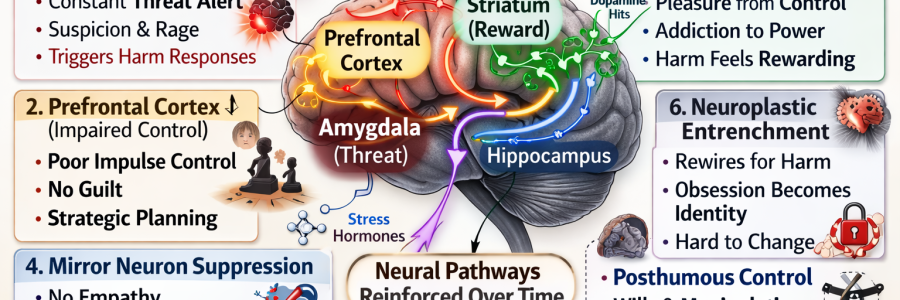
When people live with someone primarily for financial gain or a luxury lifestyle, the relationship quietly shifts from connection to transaction. Affection becomes currency. Tolerance replaces boundaries. Harm is excused not because it isn’t felt, but because survival—or comfort—feels more urgent than integrity. From a neuroscience perspective, this dynamic is not accidental. The human brain… Read More Transactional relationships driven by money and security

Self Erasure

At some point, many people notice a quiet shift in their relationships. Conversations stop being mutual. Listening fades. What replaces it is agenda—people focused less on connection and more on what they can extract from a situation. This is how many relationships become transactional. Some people are interested only in favors, free help, emotional labor,… Read More Self Erasure