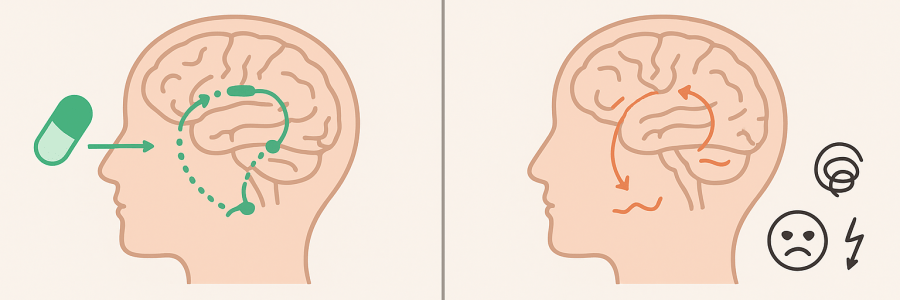
Why Healed Trauma Survivors Trigger Narcissistic Collapse or Rage

(Simply by not reacting anymore) 1. Narcissistic Systems Depend on Emotional Supply At the core of narcissistic and controlling personalities is narcissistic supply — the emotional fuel they need to regulate their fragile self-worth. This supply comes from: Emotional reactions Fear Anger Pain Admiration Confusion Attachment When you react, their nervous system stabilizes. When you don’t react, their… Read More Why Healed Trauma Survivors Trigger Narcissistic Collapse or Rage
When “Love” Is Everything But Love: My Personal Journey and a Guide to Recognizing Abuse

For 32 years, I believed I was living in a loving relationship. It felt like care, affection, and connection. But looking back now, I can see that it was everything but love. It was emotional, psychological, financial, and at times physical abuse, all carefully disguised as love. When you are inside it, you don’t see it. You justify… Read More When “Love” Is Everything But Love: My Personal Journey and a Guide to Recognizing Abuse

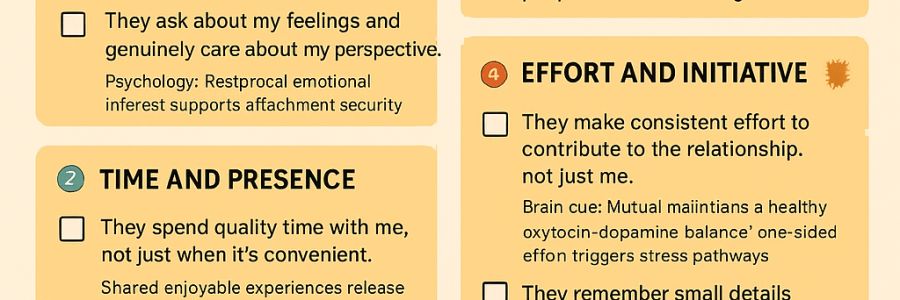
🧠 Covert Narcissist Detection Guide

Covert Narcissist Detection Guide — a deep psychology + neuroscience-based framework to help you spot hidden narcissistic manipulation early, before emotional damage occurs. This focuses on subtle, quiet, hard-to-detect narcissism — the kind that causes maximum psychological harm while appearing kind, sensitive, or wounded. How to spot the most dangerous form of narcissism 🧩 What Is Covert Narcissism? Unlike overt narcissists (loud, dominant,… Read More 🧠 Covert Narcissist Detection Guide

Common Inheritance Manipulation Tactics

(Especially in controlling or corrupt family systems) 1. Isolation of the vulnerable person One of the first moves is to isolate the dying or vulnerable person. This looks like: controlling access limiting visits filtering communication intercepting messages discouraging outside relationships Why?Because isolation creates control and influence. No witnesses = no accountability. 2. Legal override & pressure tactics Families often:… Read More Common Inheritance Manipulation Tactics

Real-World Behavioral Examples – Dark Triad Traits

1. Machiavellianism — The Strategic Manipulator Core pattern: Calculated, deceptive, emotionally detached, controlling. Common behaviors: Lies easily and convincingly — even when there’s no real need Plans conversations to steer outcomes Twists facts to suit their narrative Withholds information intentionally Creates confusion to maintain control Gaslights: “That never happened.” / “You’re imagining things.” Plays people against each other quietly… Read More Real-World Behavioral Examples – Dark Triad Traits

ASPD vs Narcissistic Abuse — What’s the Difference?

Core Difference (In Plain Terms) ASPD = Disregard for othersNarcissistic abuse = Use of others to regulate self-esteem They can overlap — but the motivation, emotional structure, and risk profile are different. 1. Internal World ASPD Limited or absent remorse Minimal emotional attachment Low anxiety about harming others Relationships are instrumental (useful or not useful) People with ASPD don’t need admiration to… Read More ASPD vs Narcissistic Abuse — What’s the Difference?

Abuse and the Holidays: Why Vigilance Matters

Abuse doesn’t take a holiday — in fact, it often intensifies during holidays like Christmas or birthdays. Many victims think that leaving home, going on a trip, or being away from daily stress might protect them, but abuse thrives in isolation. Abusers exploit distance from friends, family, and familiar environments to gain control. After 32 Christmases of living… Read More Abuse and the Holidays: Why Vigilance Matters

Abuse: Choice vs Misconception of Mental Illness

Here’s a clear, neuroscience- and psychology-informed explanation distinguishing abuse as a deliberate choiceversus the common misconception that abuse is caused by mental illness, stress, or emotional instability. This is suitable for educational, clinical, or legal contexts. Abuse: Choice vs Misconception of Mental Illness Aspect Abuse as a Deliberate Choice Misconception: Caused by Mental Illness / Stress / Instability… Read More Abuse: Choice vs Misconception of Mental Illness

When Sociopathy Goes Wrong: How Anger Becomes Abuse

Sociopathy (ASPD traits) by itself does not automatically lead to abuse or violence.Many sociopathic people live calm, structured, pro-social lives. But certain combinations of traits can create a volatile system — especially when unregulated anger gets added.It’s the mix that matters, not the label. Below is what typically happens when sociopathy does turn destructive. 1. The Missing Brake Pedal Neurotypical people often feel an immediate emotional… Read More When Sociopathy Goes Wrong: How Anger Becomes Abuse

1. Psychological and Emotional Background

Predatory behavior often arises from unresolved psychological needs or personality patterns. Common factors include: Early trauma or neglect: People who experience abuse, neglect, or abandonment as children may develop deep insecurities. Some respond by controlling or exploiting others to regain a sense of power. Attachment issues: Insecure or disorganized attachment (where a child doesn’t form a healthy… Read More 1. Psychological and Emotional Background