“I’m Better on My Own”

Why People Tell You Early — and Why We Don’t Listen There is a sentence people sometimes offer early in connection: “I’m better on my own.”“I’m not good in relationships.”“I can’t really do commitment.”“I’m not built for emotional closeness.” These are not throwaway lines. They are micro-confessions. Psychology calls this pre-emptive disclosure.Neuroscience calls it threat discharge. It is… Read More “I’m Better on My Own”

The Psychology & Neuroscience of Love-Bombing

What it is, why it works, and what it often predicts Love-bombing is the rapid delivery of intense affection, attention, praise, promises, and emotional closeness early in a relationship. It feels intoxicating, validating, and deeply bonding. But neuroscience shows this isn’t accidental — it is neurochemical manipulation, whether conscious or unconscious. 1. Dopamine & Attachment Hijacking Love-bombing… Read More The Psychology & Neuroscience of Love-Bombing

Beware the Family Who Worships Image Over Integrity

A Neuroscience and Psychology Perspective Beware entering a family system that places image, status, and appearance above truth, ethics, and emotional responsibility. Because sooner or later, the very moral code they use to impress the outside world will be turned inward — and used against you. At first, such families can appear impressive.Successful. Respected. Polished.They… Read More Beware the Family Who Worships Image Over Integrity

When Accusation Becomes Confession: A Reflection on Projection, Power, and Truth

There is a particular kind of accusation that reveals more about the accuser than the accused.Especially when the charge is money-grabbing — delivered loudly, publicly, and without a shred of evidence — by someone whose own history contains proven financial crimes. This is not irony.This is psychology. When people point fingers, it is worth remembering the old… Read More When Accusation Becomes Confession: A Reflection on Projection, Power, and Truth

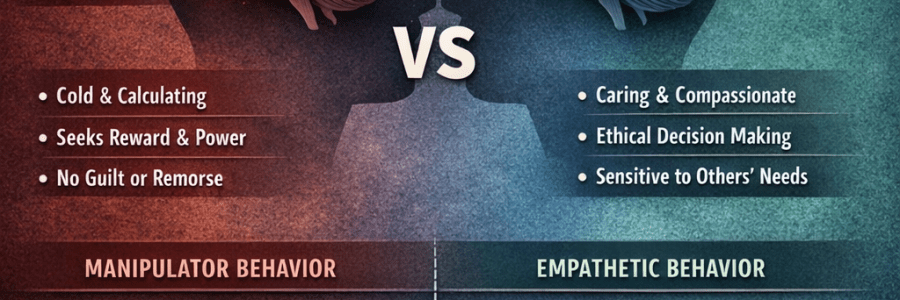
1) A Psychological Profile of Premeditated Abusers

Understanding the Psychology of Conscious Harm and Strategic Self-Protection Not all abuse is impulsive. Some abusers know exactly what they are doing. They are aware of their patterns.They recognise their cycles.They anticipate escalation.And instead of choosing healing, accountability, or change — they choose strategy. This is the psychology of premeditated abuse. 1. Core Psychological Traits Premeditated abusers typically… Read More 1) A Psychological Profile of Premeditated Abusers

The Trauma of Realising You Were Never Meant to Stay

One of the most devastating discoveries a survivor can make is this: That the person knew, from the beginning,that they would eventually leave. Not because the relationship might fail.Not because of uncertainty. But because they knew their abusive behaviour would surface again — and they prepared for it. This realisation often feels more shattering than the… Read More The Trauma of Realising You Were Never Meant to Stay

The Cost of Living From the False Self

A Jungian & Trauma-Informed Perspective The false self is not a lie.It is a survival adaptation. It forms when authenticity feels unsafe — when belonging, attachment, approval, or protection require performance, compliance, emotional suppression, or self-erasure. In Jungian terms, this becomes the persona: the socially acceptable mask we wear to survive, adapt, and belong. In trauma… Read More The Cost of Living From the False Self

Can You Stay Friends With Your Ex?

Why It’s Impossible With an Abuser A Trauma-Informed Psychological Perspective In healthy breakups, friendship can sometimes develop.In abusive relationships, friendship is not possible — and attempting it often causes ongoing harm. This is not bitterness.It is psychological reality. 1. Friendship Requires Safety — Abuse Destroys Safety True friendship requires: Abuse destroys all five. An abusive dynamic is… Read More Can You Stay Friends With Your Ex?

A Trauma-Informed Guide to Rebuilding Trust, Connection & Emotional Safety

Divorce changes a man’s nervous system. Even when the separation was necessary, the emotional impact can be profound. Loss, identity disruption, rejection, betrayal, failure, and grief all reshape how the brain approaches intimacy. From a neuroscience and psychological perspective, this shift is not weakness — it is adaptation. 1. What Divorce Does to the Male Nervous… Read More A Trauma-Informed Guide to Rebuilding Trust, Connection & Emotional Safety

A Trauma-Informed Guide to Dating Again After Loss, Divorce, or Long-Term Relationships

Dating in midlife is not the same as dating when you were younger. Your nervous system now carries: This means your body seeks safety before excitement — even if your mind wants connection. From a neuroscience and psychological perspective, this is not hesitation.It is emotional intelligence. 1. The Midlife Nervous System: Why Dating Feels Different Now After… Read More A Trauma-Informed Guide to Dating Again After Loss, Divorce, or Long-Term Relationships