Amygdala
Your amygdala is your brain’s alarm system. If something feels emotionally threatening (rejection, intimacy, success, failure), it can trigger fight, flight, freeze, or fawn — even when there’s no actual danger.
Example: things are going well in a relationship → suddenly you pick a fight or pull away.
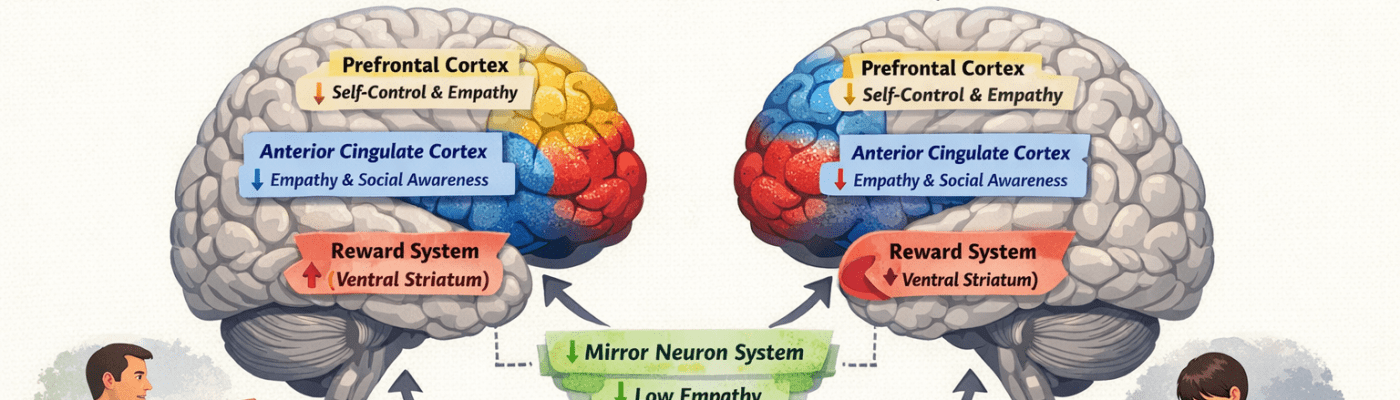
Prefrontal Cortex
This is your “wise adult” brain — logic, planning, emotional regulation.
Under stress, it can go partly offline, which is why people later say:
“Why did I do that? I knew better.”
Neuroplasticity
The brain learns patterns. If chaos, criticism, or unpredictability felt “normal” growing up, your brain may mistake familiar pain for safety.
This is why people sometimes recreate:
- toxic relationships
- financial chaos
- emotional drama
- abandonment cycles
Not because they want pain — because it feels known.
Psychology: why people self-sabotage
1. Fear of success
Success can mean:
- more visibility
- more expectations
- risk of losing it
Your mind thinks: “Safer not to have it.”
2. Fear of intimacy
Closeness can trigger vulnerability:
- “If they know me, they may reject me.”
So people create distance before someone else can.
3. Low self-worth
Core belief:
“I don’t deserve good things.”
Then behavior matches belief.
4. Trauma repetition compulsion
Repetition compulsion
The unconscious tries to “redo” old wounds hoping for a different ending.
Example:
“My father was unavailable → I keep choosing unavailable partners.”
5. Dopamine addiction to chaos
Dopamine
Some people become wired to the adrenaline of drama:
- conflict
- making up
- emotional highs and lows
Calm can feel “boring” or even unsafe.
Common self-destruct behaviors
- procrastination
- picking fights
- cheating
- overspending
- addiction
- ghosting
- quitting too early
- perfectionism (“if it’s not perfect, I won’t start”)
- pushing away people who care
How to interrupt it
- Notice the pattern: “What happens right before I self-destruct?”
- Name the trigger: shame? fear? intimacy?
- Pause the nervous system: slow breathing, walking, grounding.
- Ask: “What am I protecting myself from?”
- Build new habits repeatedly — that’s how neuroplasticity rewires the brain.
A powerful truth from psychology:
Self-sabotage is often self-protection in disguise.
Your brain may be trying to protect an older version of you — with outdated tools.


