It’s not that values have disappeared — it’s that some of the loudest messages right now are the shallow ones.

When children grow up hearing more about status than substance, it quietly reshapes what they believe relationships are for. If the narrative becomes “what can I get?” instead of “how do I show up?”, then connection turns transactional. People become roles. Partners become providers. And respect gets replaced with expectation. That shift doesn’t happen overnight. It’s… Read More It’s not that values have disappeared — it’s that some of the loudest messages right now are the shallow ones.

🌿 What life often feels like after removing yourself from cruelty

Leaving a cruel or harmful dynamic doesn’t usually feel instantly “free” in a cinematic way. It tends to feel more like a nervous system recalibrating after long-term tension—subtle, uneven, but very real. Here’s what people often notice once they’ve stepped out of cruelty or chronic emotional harm: 🌿 What life often feels like after removing yourself… Read More 🌿 What life often feels like after removing yourself from cruelty

⚖️ Cruelty vs Abuse — What’s the Difference?

Here’s a clean, clear comparison you can use to spot the difference between cruel behaviour and abuse patterns—they overlap, but they’re not always identical. ⚖️ Cruelty vs Abuse — What’s the Difference? Area Cruelty Abuse Definition Intentional behaviour that causes emotional or physical pain A pattern of behaviour used to control, dominate, or harm another person Frequency Can be occasional… Read More ⚖️ Cruelty vs Abuse — What’s the Difference?

Individual grooming vs coordinated exploitation (how to recognise the difference)

🧍‍♂️ 1. Individual grooming (one perpetrator) This is the most common pattern. What it looks like: One adult targeting one or a small number of minors Relationship feels personal or “exclusive” Builds trust slowly over time Often emotional manipulation (“you’re special”, “don’t tell anyone”) Focus is on access to the child, not wider network activity Key signs:… Read More Individual grooming vs coordinated exploitation (how to recognise the difference)

How online grooming typically happens

Grooming is a process, not a single event. It usually unfolds in stages: 1. Targeting The person identifies a young person through: Social media (Instagram, TikTok, Snapchat, gaming chats) Online games or forums Messaging apps They often choose: Vulnerable or isolated teens Young people posting a lot publicly Anyone seeking attention, validation, or support 2. Building trust (“gaining… Read More How online grooming typically happens

Couples Therapy, Separation, and What Really Determines the Outcome

In my work with couples, one pattern becomes very clear over time: the outcome of a separation or reconciliation is rarely determined by the relationship ending itself—but by how people behave during that process. When couples reach a turning point, there are usually three broad paths I see unfold. 1. When Respect Remains Intact Some couples manage… Read More Couples Therapy, Separation, and What Really Determines the Outcome

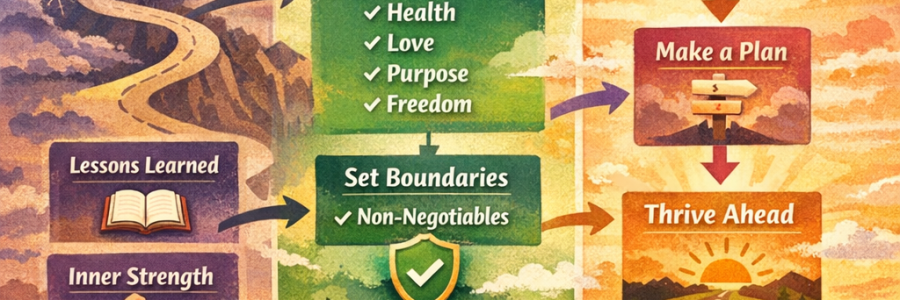
When You Leave: Navigating the Seismic Fallout and Learning to Hold Yourself

Leaving a harmful or abusive dynamic is not a single decision—it’s a process.And often, the moment you step away is when everything feels like it shakes the most. This is the part people don’t talk about enough. The seismic fallout. Why It Feels So Intense When you leave, you’re not just walking away from a person.… Read More When You Leave: Navigating the Seismic Fallout and Learning to Hold Yourself

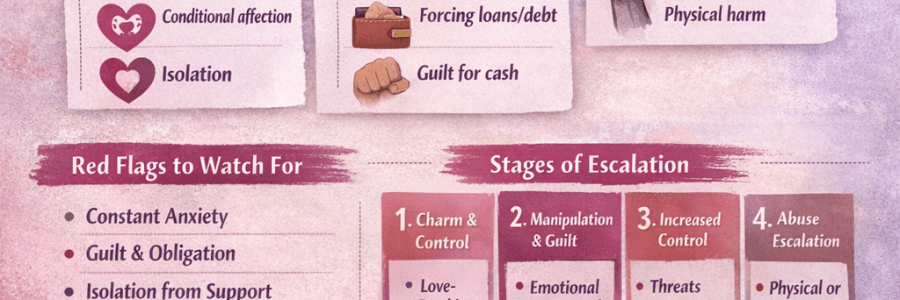
Dangerous and Abusive Behaviours: Recognising the Signs Before They Escalate

Abuse does not always begin with something obvious. It often starts subtly—small shifts in behaviour, tone, or control that are easy to dismiss or explain away. Over time, these behaviours can build into patterns that impact your safety, your mental health, and your sense of self. Understanding the signs of dangerous or abusive behaviour is… Read More Dangerous and Abusive Behaviours: Recognising the Signs Before They Escalate

Checklist: When It’s Time to Leave

1. Safety & Respect You feel unsafe emotionally, physically, or psychologically There is any form of abuse (verbal, emotional, physical, sexual, financial) You’re walking on eggshells to avoid conflict Your boundaries are ignored, mocked, or punished 2. Your Nervous System Knows You feel anxious, drained, or on edge more than calm Your body feels relief when they’re… Read More Checklist: When It’s Time to Leave