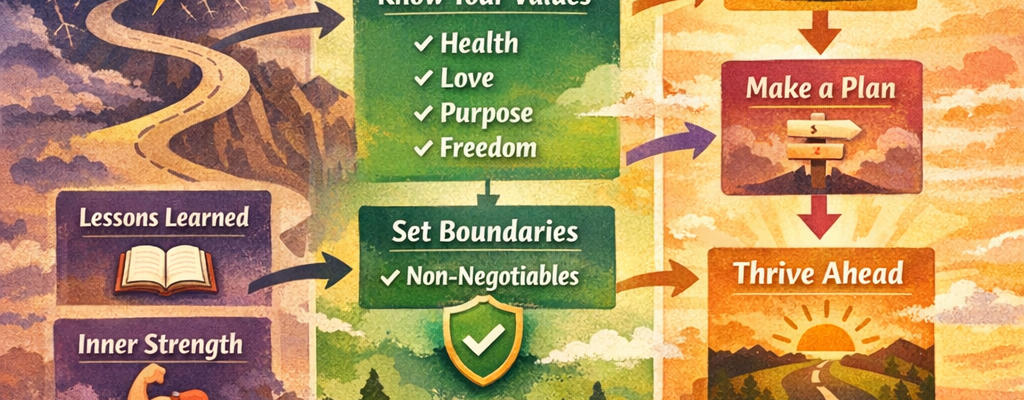
“Unfinished emotional work” is a simple way of describing emotions, patterns, wounds, or grief that have not yet been fully processed, understood, or integrated.
It does not mean someone is “broken.”
It means something emotionally significant happened — and the mind and body adapted to survive it, but never fully completed the healing process.
🧠 What is unfinished emotional work?
It can include:
- unresolved grief after a breakup or loss
- unprocessed trauma
- childhood wounds
- repeated relationship patterns
- unresolved anger or resentment
- shame
- emotional avoidance
- attachment wounds
Psychologically, it often looks like:
“I thought I was over it… until something triggered it.”
That is unfinished work resurfacing.
🧠 What happens in the brain?
The brain stores emotional experiences not just as memories, but as patterns.
If something was painful and unresolved:
Amygdala
may continue to flag similar situations as threatening.
So a new partner, a message from an ex, a tone of voice, or even a place can reactivate old emotional states.
This is why people sometimes feel:
- unexpectedly emotional
- disproportionately angry
- anxious “for no reason”
- emotionally flooded
The brain is saying:
“This feels familiar. Pay attention.”
The nervous system remembers what the mind forgets
Even when someone says:
“I’m over it.”
the body may not agree.
This involves:
Autonomic Nervous System
The nervous system can hold:
- tension
- fear
- hypervigilance
- shutdown
- emotional reactivity
This is why people can intellectually understand something — but still emotionally react.
Why doing the work matters
If unfinished emotional work is not addressed, it often leaks into:
- new relationships
- parenting
- work
- friendships
- self-esteem
- physical health
It can show up as:
- self-sabotage
- repeating the same relationship pattern
- choosing unavailable people
- overreacting
- emotional numbness
- avoiding closeness
- rebound relationships
People often think:
“Why does this keep happening?”
Usually because the original pattern is still active.
Doing “the work” means…
It does not mean endlessly talking about the past.
It means:
- understanding the pattern
- feeling emotions safely
- regulating the nervous system
- grieving what needs grieving
- building insight
- changing behaviour
- learning new relational experiences
This is where:
Neuroplasticity
becomes hopeful — because the brain can learn a new way.
What happens when people do the work?
They often notice:
- less reactivity
- more clarity
- healthier choices
- stronger boundaries
- less fear in relationships
- better emotional regulation
- greater peace
The past doesn’t disappear.
It simply stops running the present.
🌿 Final thought
Unfinished emotional work is not weakness.
It is simply pain waiting to be understood.
And doing the work matters because:
what we do not heal, we often repeat.
what we heal, we are finally free from.

