Rebuilding Safety & Peace After Family Betrayal

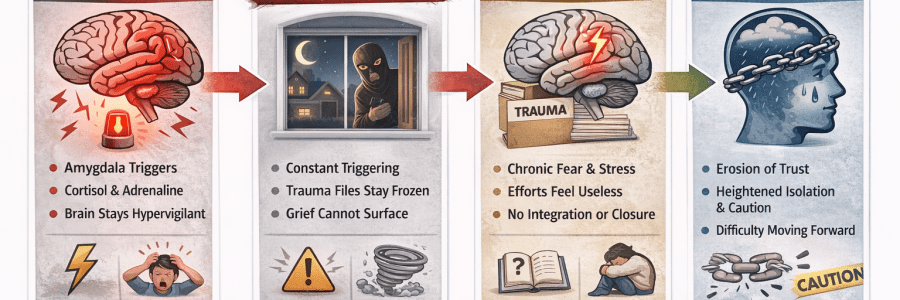
1. First — name what happened (without minimising) What you experienced is betrayal trauma. This type of pain cuts deeply because it violates: trust belonging loyalty fairness emotional safety So if you feel: shocked hurt angry numb disoriented sad That is a normal trauma response. You are not overreacting. Betrayal by family destabilises our sense of safety… Read More Rebuilding Safety & Peace After Family Betrayal

Understanding the Dynamics:

Why families push for inheritance before death — and why people get pushed out 1. Fear-driven behaviour (not love-driven behaviour) When someone is nearing death or becoming frail, it activates deep survival fears in families: fear of loss fear of instability fear of uncertainty fear of financial insecurity fear of losing control Instead of sitting with grief… Read More Understanding the Dynamics:

“I feel safer when I am not alone with them.”

“I feel safer when I am not alone with them.”— especially drawn from patterns seen in previous abusive or unhealthy relationships. This is written gently, for awareness — not blame. Signs You Felt Safer When You Were Not Alone With Them (From previous relationships) 1. You constantly arranged group settings Preferred meeting friends together Invited others to join… Read More “I feel safer when I am not alone with them.”

Abuse thrives in isolation. Safety exists in witnesses.

Many survivors of abuse surround themselves with people — even during moments that are normally private, intimate, or romantic — because: Abuse thrives in isolation. Safety exists in witnesses. Why abuse survivors bring others everywhere — even on honeymoons or intimate holidays 1. Abuse happens behind closed doors Most abuse: happens in private escalates when no one else… Read More Abuse thrives in isolation. Safety exists in witnesses.

The brain learns through association

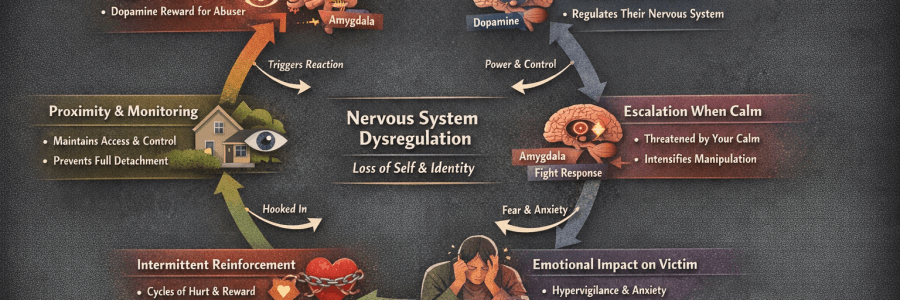
Why being alone is triggering, not calming, for many abuse survivors (Neuroscience + Psychology explained simply) 1. The brain learns through association During abuse, the brain links being alone with: danger unpredictability fear emotional pain lack of protection So the nervous system learns: Alone = Unsafe This is classical conditioning — the same brain mechanism that makes loud noises… Read More The brain learns through association

Real-World Behavioral Examples – Dark Triad Traits

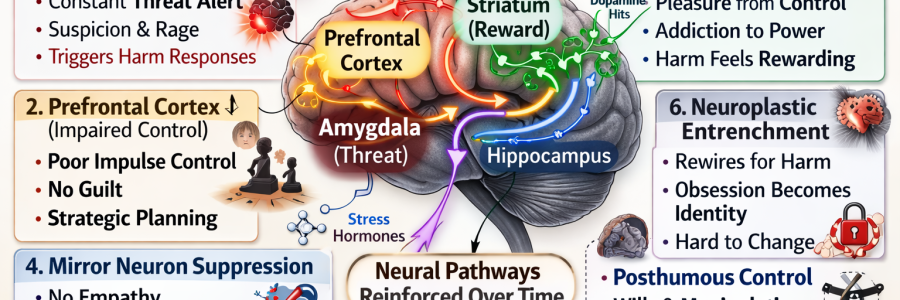
1. Machiavellianism — The Strategic Manipulator Core pattern: Calculated, deceptive, emotionally detached, controlling. Common behaviors: Lies easily and convincingly — even when there’s no real need Plans conversations to steer outcomes Twists facts to suit their narrative Withholds information intentionally Creates confusion to maintain control Gaslights: “That never happened.” / “You’re imagining things.” Plays people against each other quietly… Read More Real-World Behavioral Examples – Dark Triad Traits

Emotional Neglect

Emotional neglect occurs when: Your feelings are consistently ignored Your emotional needs are dismissed Your attempts to connect are met with indifference Your emotional expression is not responded to Writing letters pouring your heart out — and having them ignored or thrown away — is a classic example of emotional neglect. Psychological meaning: “My inner world does not matter.” Over time,… Read More Emotional Neglect

How Survivors Rebuild Identity After Psychological Erosion

Psychological erosion happens slowly. It is not one event — it is thousands of small moments of: criticism dismissal emotional neglect control invalidation fear walking on eggshells Over time, the nervous system adapts to survival, and identity becomes secondary. 🧩 Phase 1: Survival Identity (Before Healing) When someone lives in chronic emotional stress, the brain prioritises safety over authenticity. This… Read More How Survivors Rebuild Identity After Psychological Erosion

The Four Horsemen of Relationship Breakdown (Gottman Method)

John Gottman identified four communication patterns that predict relationship failure with over 90% accuracy.They are called The Four Horsemen because once they dominate a relationship, emotional safety collapses. These four patterns are: Criticism Contempt Defensiveness Stonewalling 1️⃣ Criticism – Attacking the person, not the behaviour What it sounds like: “You always…” “You never…” “What’s wrong with you?” “You’re so selfish / lazy… Read More The Four Horsemen of Relationship Breakdown (Gottman Method)