Confusion, Mixed Signals & Messages That Don’t Make Sense

Let’s cut through the noise. You’re not confused because you “misread it.” You’re confused because someone else isn’t showing up clearly. Hot one day, cold the next. Sweet in words, distant in action. Plans made and then canceled. That’s not a glitch—it’s mixed signals. And mixed signals? They’re a choice. Not a mistake. Here’s the truth you… Read More Confusion, Mixed Signals & Messages That Don’t Make Sense

Confusion, Mixed Signals & Misinterpreted Messages: What They Really Mean

In today’s world of constant messaging, instant replies, and digital connection, communication should feel easier than ever. So why does it so often feel… confusing? Many people come to me feeling emotionally drained, caught in a cycle of analysing texts, rereading conversations, and trying to decode what someone really means. The truth is, confusion in communication is… Read More Confusion, Mixed Signals & Misinterpreted Messages: What They Really Mean

Your Brain & Heart Recovery Plan (After Years of Emotional Uncertainty)

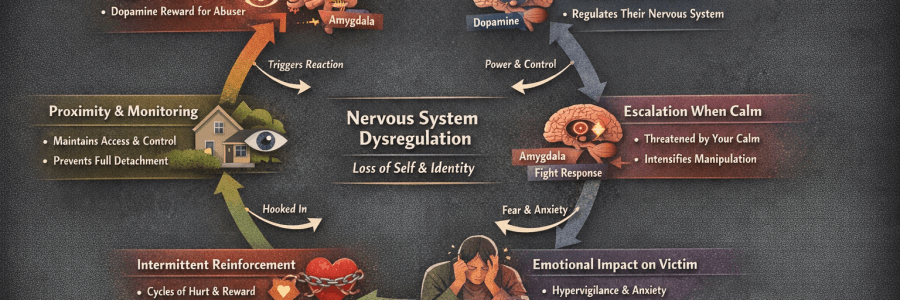
Phase 1: Awareness – “This Was Conditioning, Not Love” Goal: Break the emotional spell What happened to you wasn’t just a relationship—it was conditioning. Your brain got hooked on intermittent reinforcement (inconsistent attention = addictive loop) You were trained to wait, analyze, and tolerate confusion Your nervous system learned: “Love = uncertainty” 👉 Reframe (daily):“Consistency is safe. Confusion is not chemistry.” This… Read More Your Brain & Heart Recovery Plan (After Years of Emotional Uncertainty)

Uncertainty activates the brain’s alarm system

Being with someone secretive or inconsistent for decades can leave deep patterns in your brain and behavior, and neuroscience and psychology actually explain a lot about why it’s so disruptive and how to heal. Let’s break it down carefully: 1. Why secretive behavior messes with your head Uncertainty activates the brain’s alarm system: When someone is unpredictable,… Read More Uncertainty activates the brain’s alarm system

The Healing Power of Connection: How Time with Friends and Family Supports Emotional Recovery

Recovering from trauma or difficult life experiences is rarely linear. Emotional ups and downs, confusion, and uncertainty are normal, but what often helps most is the people you surround yourself with. Spending time with supportive friends and family isn’t just comforting—it can actively regulate your emotions, reinforce healthy coping strategies, and complement professional therapy. Why Connection Matters… Read More The Healing Power of Connection: How Time with Friends and Family Supports Emotional Recovery

A powerful stage of post-traumatic growth

A powerful stage of post-traumatic growth, where surviving hardship not only strengthens you but also clarifies your vision of life. It’s like finally having a compass after being lost in a storm—you know your direction and values. Here’s a structured way to map out your life after trauma and step confidently into your future: 1. Acknowledge Your Journey… Read More A powerful stage of post-traumatic growth

Strong attraction, fast escalation

Here’s how to spot someone who is likely to pull away after intense intimacy, using both psychology and neuroscience: 🧠 1. They create intensity very quickly What it looks like: Strong attraction, fast escalation Deep conversations early on Sexual chemistry builds quickly What’s happening:High Dopamine + novelty = accelerated bonding illusion 👉 Feels like connection, but it’s often momentum, not… Read More Strong attraction, fast escalation

Playing Head Games with Vulnerable People: The Psychology Behind the Cruelty

Beware of those who come wrapped in charm, intensity, and big promises — especially when their actions don’t match their words. Some people don’t just waste your time.They play with your mind. And the most dangerous part?They often target those who are open, kind, and emotionally available. Let’s be clear — this isn’t accidental. From a… Read More Playing Head Games with Vulnerable People: The Psychology Behind the Cruelty

Playing head games with vulnerable people has clear roots in neuroscience and psychology.

Let’s break it down in a way that helps you see it, understand it, and protect yourself. 🧠 What “head games” actually are (psychologically) At their core, head games are about control through confusion. Common tactics include: Mixed signals (hot → cold → hot) Saying one thing, doing another Withholding affection or communication Creating emotional highs, then… Read More Playing head games with vulnerable people has clear roots in neuroscience and psychology.