Five Moves. One Pattern. The Neuroscience and Psychology of Carrying Everything Alone.

As I prepare for my fifth and final move, I’m struck by something I hadn’t fully appreciated before. I’ve spent decades moving homes. But more than that… I’ve spent decades moving almost entirely on my own. The first move was into his house. The second was into the home I bought myself. While I packed… Read More Five Moves. One Pattern. The Neuroscience and Psychology of Carrying Everything Alone.

Why Do Friends and Family Sometimes Notice a Vindictive Personality Before You Do? The Psychology and Neuroscience Behind Chronic Vindictiveness

One of the questions people often ask after leaving a difficult relationship is: “Why did everyone else seem to notice long before I did?” It is surprisingly common to hear family members, friends, colleagues or even previous partners say, “We saw it years ago.” While this can be painful to hear, psychology offers several explanations for why… Read More Why Do Friends and Family Sometimes Notice a Vindictive Personality Before You Do? The Psychology and Neuroscience Behind Chronic Vindictiveness

The Neuroscience and Psychology of Vindictive Personalities: Why Some People Become Consumed by Bitterness, Revenge and the Success of Others

“Holding onto anger is like drinking poison and expecting the other person to suffer.” While this quote is often attributed to the Buddha, modern neuroscience suggests there is truth behind the sentiment. Chronic bitterness and vindictiveness affect not only relationships but also the brain and body of the person who carries them. Most people experience jealousy,… Read More The Neuroscience and Psychology of Vindictive Personalities: Why Some People Become Consumed by Bitterness, Revenge and the Success of Others

Why Do Serial Abusers Leave a Trail of Apologies? The Psychology and Neuroscience Behind the Pattern

One of the most confusing experiences for survivors is discovering years of letters, cards and messages saying: “I’m sorry.” “I know I’ve hurt you.” “I’ll change.” Yet the behaviour never changes. How can someone repeatedly acknowledge their actions and still continue the same pattern for decades? The Cycle of Abuse Psychologists have long recognised a… Read More Why Do Serial Abusers Leave a Trail of Apologies? The Psychology and Neuroscience Behind the Pattern

Can You Read Emotion in Someone’s Eyes? Neuroscience and Psychology Explained

Many people feel that they can “read” emotion in someone’s eyes. In therapy, for example, clinicians often notice subtle facial cues that seem to reveal more than words. While there is some scientific truth to this idea, neuroscience shows that the reality is more complex. The brain is highly sensitive to eye cues Research in… Read More Can You Read Emotion in Someone’s Eyes? Neuroscience and Psychology Explained

On the Rebound: What Are the Signs? (Psychology & Neuroscience)

A rebound relationship is not automatically unhealthy. Sometimes people genuinely move on quickly. But sometimes a new relationship is being used — consciously or unconsciously — to avoid emotional pain rather than process it. Psychologically, the question is not:“How soon did they date?” It is:“What function is this new relationship serving?” 🧠 The neuroscience of rebound relationships After a… Read More On the Rebound: What Are the Signs? (Psychology & Neuroscience)

The neuroscience of self-destruction

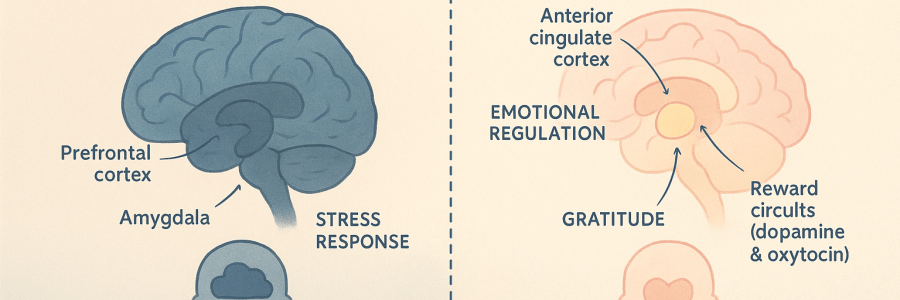
AmygdalaYour amygdala is your brain’s alarm system. If something feels emotionally threatening (rejection, intimacy, success, failure), it can trigger fight, flight, freeze, or fawn — even when there’s no actual danger. Example: things are going well in a relationship → suddenly you pick a fight or pull away. Prefrontal CortexThis is your “wise adult” brain — logic,… Read More The neuroscience of self-destruction

When People Sabotage Their Own Relationships: A Neuroscience and Psychology Perspective

One of the most painful things people experience is watching themselves — or someone they love — damage a relationship they deeply wanted. They may say: “Why did I push them away?” “Why did I start an argument when things were going well?” “Why do I pull back when someone gets close?” This is often… Read More When People Sabotage Their Own Relationships: A Neuroscience and Psychology Perspective

🧠 Emotional Memory vs Factual Memory

In Psychology, we often separate what happened from how it is stored in the brain. 📌 1. Factual Memory (What happened) This is the objective record of events. It includes: dates, places, actions who said what physical events that occurred “camera-like” recall (when accurate) Example: “We lived in Spain and the UK.” “The car was damaged while I was away.”… Read More 🧠 Emotional Memory vs Factual Memory

Reactions

These are core processes studied in both Psychology and Neuroscience—they help explain why people react differently to the same situation. 1. Emotional Processing Emotional Processing This is how you: notice emotions (your own and others’) interpret what they mean regulate your response Example:Someone criticizes you. One person feels mild disappointment and moves on. Another feels deep shame… Read More Reactions