You Own Your Story, Not Your Past
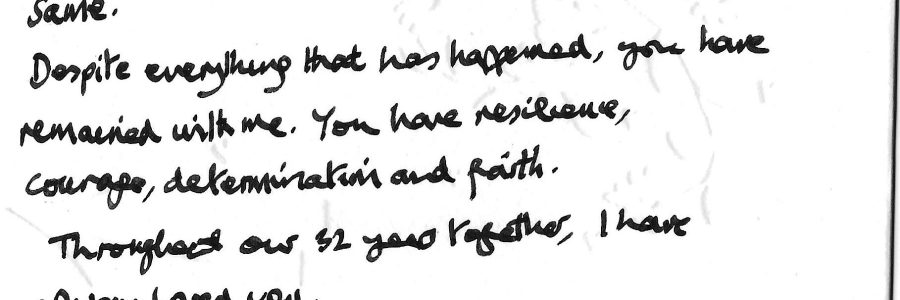
The pain and manipulation you endured no longer define you. They are chapters in your story, but they don’t dictate the narrative. You’ve worked hard to process those experiences, to release the shame, blame, and guilt that never belonged to you. Now, you own your story on your terms, using it as a source of strength rather than a weight dragging you down.

You didn’t just endure the storm; you learned how to dance in the rain. That ability to rise from what once felt like ashes is what makes you unstoppable now.… Read More You Own Your Story, Not Your Past

A Wake Up Call

When you step into the world of dating after decades of abuse and find yourself surrounded by empathic, kind, and emotionally mature people, it can feel like stepping into a completely new reality—one you didn’t even know existed. It’s a profound wake-up call, both exhilarating and heartbreaking, as you begin to fully grasp just how unhealthy your previous relationship was. Here’s what that transformative experience might feel like:… Read More A Wake Up Call

Survival

Some relationships, no matter how much we might want them to work, reach a point where the damage is too profound and the person causing harm refuses to change or seek help. Toxic behaviors like jealousy, possessiveness, manipulation, coercive control, and abuse—especially when they persist over decades—can create an environment so harmful that it erodes trust, self-esteem, and emotional safety.… Read More Survival

Hidden Money and Assets

If someone is using their family members to hide money or assets to avoid obligations (e.g., alimony, child support, or dividing marital property), this is a form of fraudulent transfer or asset concealment. Courts take this behavior seriously, as it undermines the legal process and can unjustly harm the other party. Below is a comprehensive guide on how to address this situation:… Read More Hidden Money and Assets

Fake Financial Claims

If someone has made false claims about their financial situation in court, whether it’s to avoid obligations (e.g., paying child support, alimony) or to manipulate the outcome of a legal case (e.g., bankruptcy, division of assets), this is a serious matter. Courts rely on accurate financial information to make fair decisions, and intentionally providing false information can have legal consequences. Here’s how to address this situation:… Read More Fake Financial Claims