Moral Justification

Moral disengagement, developed by Albert Bandura. They describe how people can commit, justify, or tolerate harmful behavior while preserving a positive view of themselves. Here’s a fuller explanation: 1. Moral Justification Harmful actions are reframed as serving a noble, moral, or necessary purpose. Examples: Psychological effect: The person sees themselves as righteous rather than harmful. 2.… Read More Moral Justification

Ambiguous deprivation

Ambiguous deprivation is a psychological concept describing the pain of missing something that was never clearly present in the first place. Unlike grief over a specific loss, ambiguous deprivation is the sorrow of not having received something essential that many people assume should have been there all along—such as love, emotional safety, validation, protection, guidance,… Read More Ambiguous deprivation

Dismissing evidence

Epistemic justice means treating people as credible knowers of their own experiences. In abuse and violence cases, epistemic injustice often happens when victims are dismissed, doubted, ridiculed, or blamed instead of being listened to. Some well-known examples include: The case of Stephen Lawrence and witness Duwayne Brooks After Stephen Lawrence was murdered in a racist… Read More Dismissing evidence

Reasons

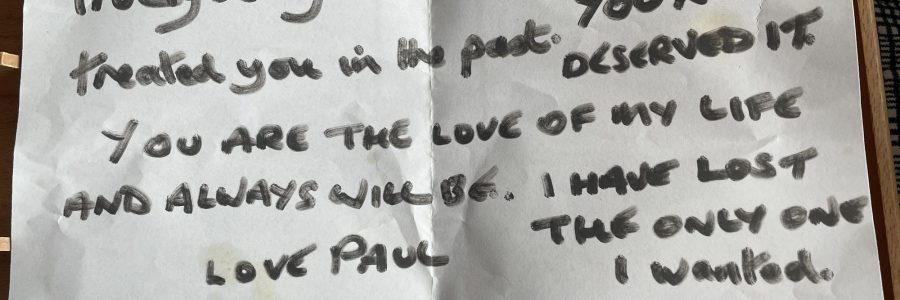
I saw a quote today that said: “Every person enters your life for a reason.” I’m still trying to work out what the reason was for my ex-husband. So far my leading theories are: Research is ongoing. 🔍😂

Epistemic Injustice

Epistemic Injustice is a term coined by philosopher Miranda Fricker to describe a situation where someone is treated unfairly in their role as a knower — that is, when their knowledge, experiences, testimony, or understanding are dismissed, distorted, or undervalued because of prejudice or power imbalances. Fricker identified two main forms: 1. Testimonial Injustice This… Read More Epistemic Injustice

Look at the Patterns, Not the Promises

One of the most common mistakes people make when trying to understand abusive behaviour is focusing on what the abuser says rather than what they consistently do. When someone has experienced emotional, psychological, financial, or physical abuse, they are often encouraged to focus on the latest apology, excuse, promise, or explanation. However, the real answers… Read More Look at the Patterns, Not the Promises

Understanding Why Some Women Seek Comfort Elsewhere During an Abusive Relationship

For much of my life, I believed that having an affair under any circumstances was completely wrong. It seemed like a clear-cut issue with no exceptions. However, after healing from abuse and working closely with psychologists and trauma specialists, my understanding of human behaviour has become far more nuanced. To be clear, this is not… Read More Understanding Why Some Women Seek Comfort Elsewhere During an Abusive Relationship