Q & A – Abusive Behaviours Combined with Trauma-Driven / Compulsive Patterns
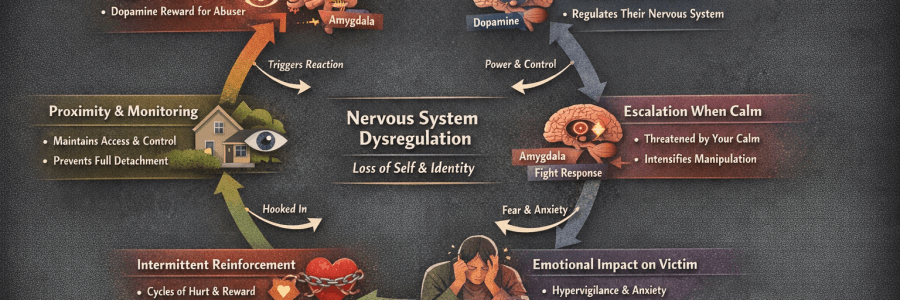
Let’s break this down carefully and systematically, combining abusive behaviours with the trauma-driven or compulsive behaviours you listed. I’ll explain what they are, why they happen, and the associated dangers, in a trauma-informed and psychologically grounded way. 🚨 Abusive Behaviours Combined with Trauma-Driven / Compulsive Patterns You’re describing a profile of someone who: These behaviours together create a high-risk environment for… Read More Q & A – Abusive Behaviours Combined with Trauma-Driven / Compulsive Patterns
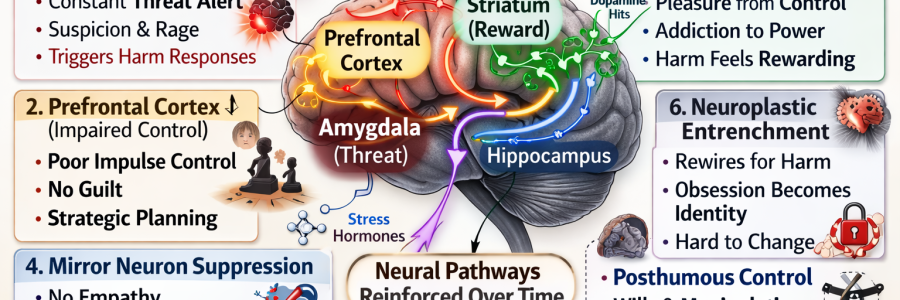
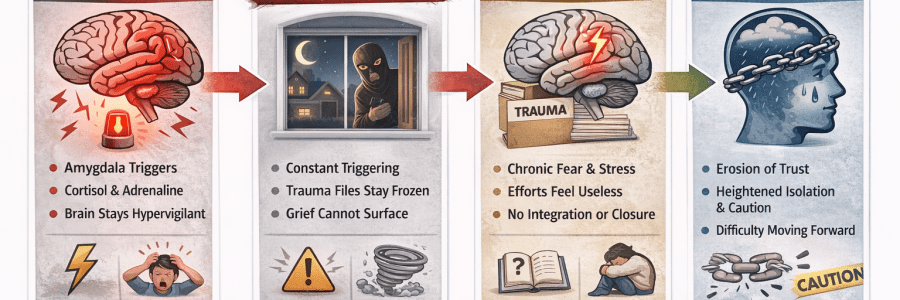
Recognising dangerous relational dynamics.

This chart helps identify abusive psychological patterns early, understand why abuse happens, and support trauma recovery and prevention. This is not about labels.This is about recognising dangerous relational dynamics. 🔍 Core Relationship Comparison Chart Psychological Area Healthy Partner Abusive / High-Risk Partner Emotional Regulation Can self-soothe, reflect, calm down Explosive anger, rage, emotional volatility Responsibility Takes accountability, apologises, repairs… Read More Recognising dangerous relational dynamics.

🔴 Core High-Risk Psychological Indicators

High-risk behaviour profiles describe patterns of thinking, emotional regulation, and behaviour that significantly increase the likelihood of psychological harm, emotional abuse, coercive control, and physical violence within relationships. These patterns are not personality flaws.They are deeply ingrained nervous system and psychological survival strategies — often rooted in trauma, attachment disturbance, or maladaptive control systems. Understanding these profiles empowers: 🔴… Read More 🔴 Core High-Risk Psychological Indicators

Q & A – What Does This Pattern of Behaviour Suggest?

I’ll answer clearly, responsibly, and safely — without diagnosing — while giving you psychological insight and protection-focused guidance. You described someone who: This combination of behaviours points to severe emotional dysregulation, control patterns, and possible obsessive or paranoid coping mechanisms — not normal behaviour, and not healthy. 🧠 What These Behaviours Can Indicate (Psychologically) 1. Ritualistic behaviours (paper, symbols, signs) This… Read More Q & A – What Does This Pattern of Behaviour Suggest?