Rules of the mind

And how hesitation quietly destroys connection Most relationships don’t end in one dramatic moment. They end slowly—through hesitation, silence, and decisions that were never made. ⚠️ The pattern People often know something isn’t right. They feel it: something has changed connection is fading distance is growing But instead of acting, they wait. They tell themselves:… Read More Why People Wait Until It’s Too Late in Relationships
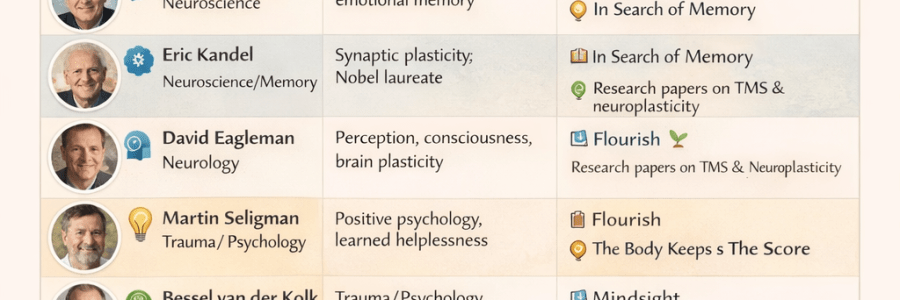
Key Researchers & What They Explain 🧑🔬 Specialist 🧩 Focus Area 🔍 Core Idea 💥 What It Explains in Real Life John Bowlby Attachment theory Early caregiver bonds shape emotional security Why people repeat relationship patterns (anxious, avoidant, etc.) Mary Ainsworth Attachment styles Secure vs insecure attachment patterns Why some people feel safe in love,… Read More Psychology of Abuse, Manipulation & Control
🧠 Stanley Milgram – Obedience to Authority Stanley Milgram Focus: Why ordinary people obey harmful instructions. Key finding: People can commit harmful acts if they believe: authority is responsible they are “just following orders” Why it matters for abuse: Explains how people justify harmful behaviour in systems, relationships, or authority-based dynamics. 🧪 Philip Zimbardo –… Read More Key Specialists on Abuse, Manipulation & Psychological Control

Still repeating the same relationship patterns? Confusion. Intensity. Distance. Overthinking. Silence that hurts more than words. This isn’t random. It’s a pattern. And it has a name: attachment. 👉 Book a consultation today and start understanding what’s really happening in your relationships. 🧭 WHY THIS FEELS SO FAMILIAR Most people don’t recognise emotional harm while it’s happening.… Read More Attachment Patterns & Emotional Clarity
(How harm becomes “justified” inside relationships) In relationships where there is emotional harm, control, or chronic disrespect, people don’t usually see themselves as “abusive” or “harmful.” Instead, they often unconsciously use moral disengagement mechanisms described by Albert Bandura to reduce guilt and maintain their self-image. 🔁 1. Moral justification (“I’m not hurting them, I’m…”) Harmful behaviour is reframed as… Read More Moral Disengagement in Relationships & Abuse Dynamics
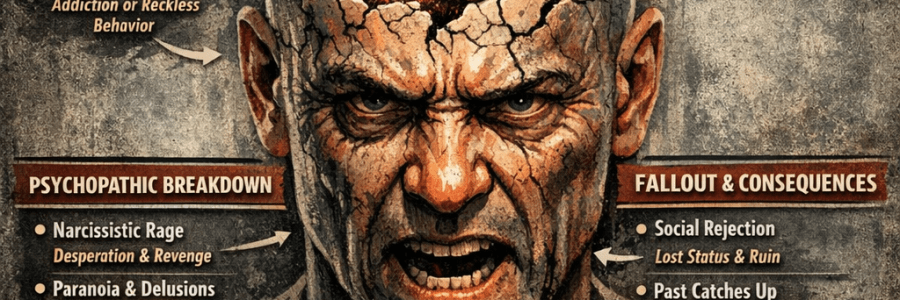
Albert Bandura’s moral disengagement refers to the psychological process by which people justify or rationalise harmful behaviour so they can do it without feeling guilt or self-condemnation. It was developed by psychologist Albert Bandura as part of his social cognitive theory. 🧠 Definition (clear version) Moral disengagement mechanisms are mental strategies that allow a person to: act in ways that… Read More Albert Bandura’s moral disengagement

Attachment styles are formed early through repeated emotional experiences.They become automatic nervous system responses, not just beliefs. So when we say: “Attachment doesn’t change on its own” What we really mean is: ✔️ Without new experiences, it tends to repeat Because the brain keeps using what it already knows: familiar reactions to closeness familiar reactions to… Read More The truth about attachment patterns
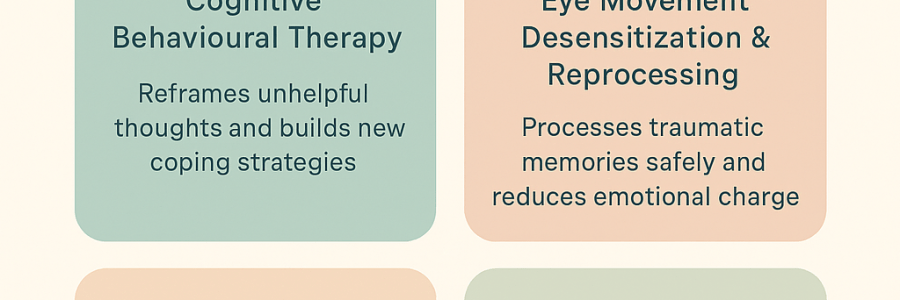
Still caught in the same relationship patterns?Chasing. Withdrawing. Overthinking. Staying too long. That’s not coincidence.That’s attachment. And it doesn’t change by itself. 👉 If you’re ready to break the pattern, get in touch.
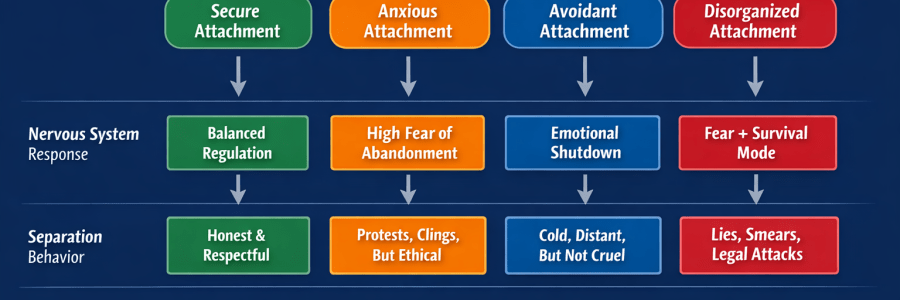
Why some people tolerate what others would never accept Not everyone who experiences abuse stays.And not everyone who stays is weak. The difference often begins in childhood. 👶 The Original Blueprint As a child, you don’t choose your environment.You adapt to it. If love, safety, or attention were inconsistent, withdrawn, or conditional, your nervous system… Read More Childhood Attachment & Abuse Dynamics

