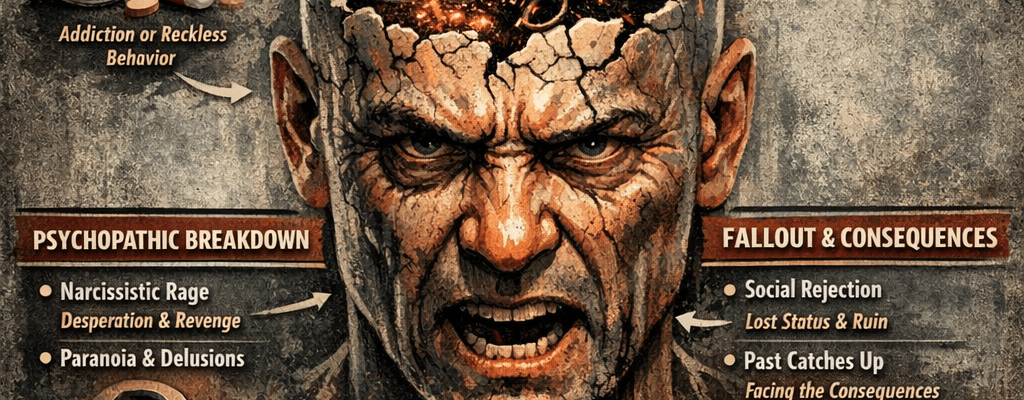
As individuals approach the end of life, the loss of control over their health, body, and future can be deeply unsettling, especially for those whose identities and coping mechanisms have been closely tied to control throughout their lives. This loss often triggers intense emotional and psychological responses, including desperation and a need to reclaim power in whatever ways remain possible.
Psychological Impact of Loss of Control at End of Life
- Identity Crisis: People who have defined themselves by their ability to manage and control their environment may feel a profound threat to their sense of self.
- Anxiety and Desperation: The inability to influence their physical condition or future outcomes can lead to heightened anxiety, frustration, and feelings of helplessness.
- Search for Meaning: In response, individuals may seek to reassert control through alternative means, such as shaping how others perceive their life story or legacy.
Revenge Fantasies as a Coping Mechanism
- Restoring Power Psychologically: Revenge fantasies can serve as a mental strategy to regain a sense of agency by imagining scenarios where they influence or “get back” at those they perceive as having wronged them.
- Control Over Narrative: Even if the past cannot be changed, controlling the story told about their life—through memoirs, conversations, or legal documents—allows them to shape their legacy on their own terms.
- Influencing the Future: Exercising control over wills, estates, or final arrangements becomes a tangible way to direct outcomes and assert authority over what remains.
Manifestations of Control-Seeking Behavior
- Legal and Financial Decisions: Meticulous planning of wills, trusts, and bequests to ensure their wishes are honored and to influence the lives of survivors.
- Communication of Final Wishes: Insisting on specific instructions for care, funerals, or memorials as a way to maintain autonomy.
- Interpersonal Dynamics: Attempts to manage relationships, sometimes through manipulation or asserting dominance, to secure a desired emotional or social environment.
Therapeutic Considerations
- Acknowledging the Need for Control: Recognizing this psychological need can help caregivers and therapists provide empathetic support.
- Facilitating Meaningful Expression: Encouraging storytelling, legacy projects, or conversations about life achievements can help individuals feel heard and valued.
- Balancing Autonomy and Support: Helping maintain as much control as possible while providing compassionate care reduces feelings of helplessness.
The drive to reclaim power through controlling narratives, wills, or legacies reflects a fundamental human desire for agency and dignity, especially when facing the inevitable loss of physical control. Understanding this dynamic allows for more sensitive and effective support during the end-of-life phase.

