Emergency Survival Guide: When You Feel the Urge to Go Back

1. Pause the impulse (do not act immediately) Urges feel urgent—but they peak and pass like a wave. Don’t message them Don’t check their social media Don’t make decisions in the spike 🧠 Rule: If it’s intense, it’s not the time to act. 2. Name what’s actually happening Say (out loud if possible): “This is an… Read More Emergency Survival Guide: When You Feel the Urge to Go Back

First 30 Days After Leaving – Recovery Checklist

Week 1: Stabilise & Contain the Chaos This is usually the most emotionally volatile stage. ☐ Reduce or stop contact (no-contact if possible) ☐ Block or mute if messages/emails are destabilising ☐ Remove triggers (photos, chats, social media checking) ☐ Prioritise sleep, food, hydration—basic regulation first ☐ Tell at least one trusted person what’s happened… Read More First 30 Days After Leaving – Recovery Checklist

When You Leave: Navigating the Seismic Fallout and Learning to Hold Yourself

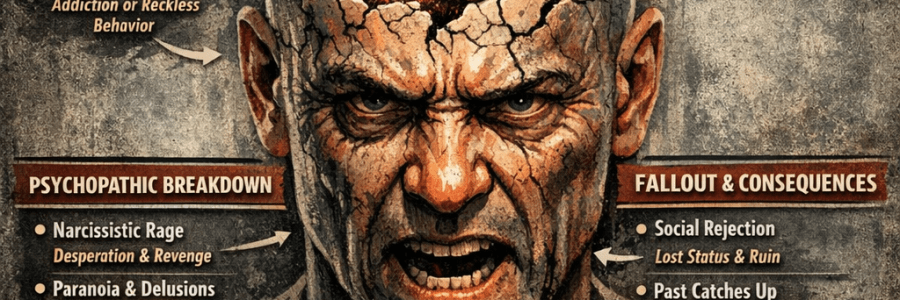
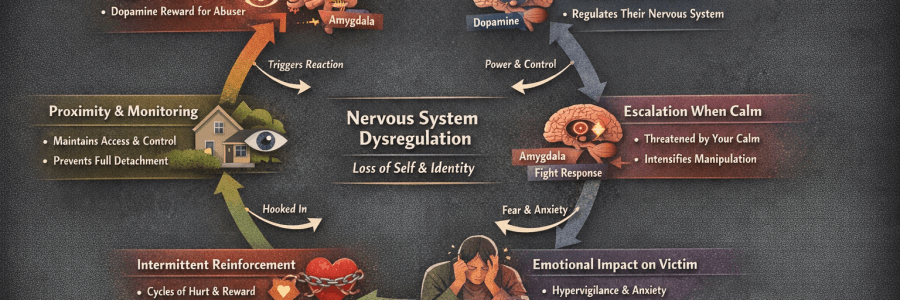
Leaving a harmful or abusive dynamic is not a single decision—it’s a process.And often, the moment you step away is when everything feels like it shakes the most. This is the part people don’t talk about enough. The seismic fallout. Why It Feels So Intense When you leave, you’re not just walking away from a person.… Read More When You Leave: Navigating the Seismic Fallout and Learning to Hold Yourself

Pay Attention to Patterns: The Psychology Behind Repeated Abusive Behaviour

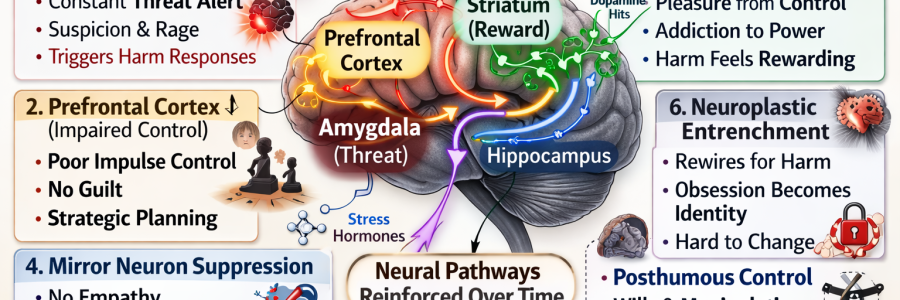
When people experience harmful or abusive behaviour in relationships, one of the most confusing aspects is repetition. The same dynamics appear again and again.The same excuses.The same cycles. And often, the same outcome. This is why it’s essential to look beyond isolated incidents and focus on patterns over time—because psychology shows us that patterns are rarely… Read More Pay Attention to Patterns: The Psychology Behind Repeated Abusive Behaviour

Dangerous and Abusive Behaviours: Recognising the Signs Before They Escalate

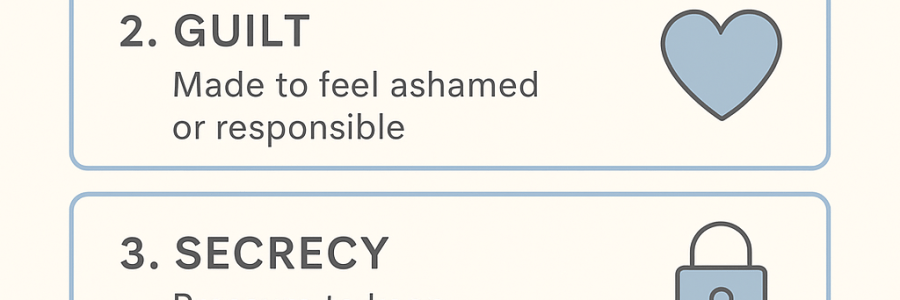
Abuse does not always begin with something obvious. It often starts subtly—small shifts in behaviour, tone, or control that are easy to dismiss or explain away. Over time, these behaviours can build into patterns that impact your safety, your mental health, and your sense of self. Understanding the signs of dangerous or abusive behaviour is… Read More Dangerous and Abusive Behaviours: Recognising the Signs Before They Escalate

Checklist: When It’s Time to Leave

1. Safety & Respect You feel unsafe emotionally, physically, or psychologically There is any form of abuse (verbal, emotional, physical, sexual, financial) You’re walking on eggshells to avoid conflict Your boundaries are ignored, mocked, or punished 2. Your Nervous System Knows You feel anxious, drained, or on edge more than calm Your body feels relief when they’re… Read More Checklist: When It’s Time to Leave

When You Feel It — That’s Your Cue to Leave

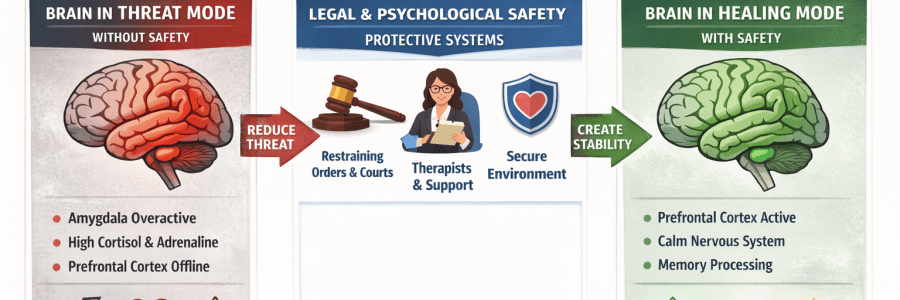
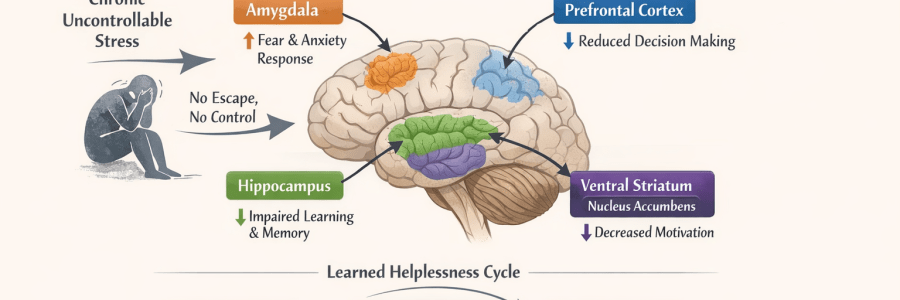
The neuroscience of knowing when a situation is no longer safe There comes a point in certain situations where you feel it. Not logically.Not after analysing it for hours. 👉 You feel it in your body. The shift.The tension.The unpredictability. That moment where you realise: 👉 You can’t calm this down anymore. ⚠️ Your body knows… Read More When You Feel It — That’s Your Cue to Leave

Anger Management… or Just Abusive Behaviour?

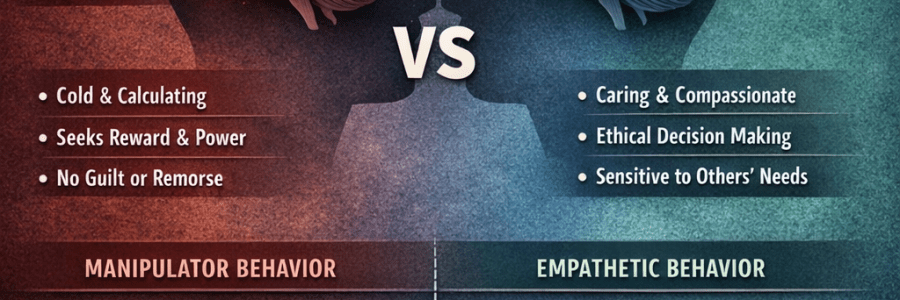
At some point you have to stop over-analysing and ask: Do they need anger management…or are they just choosing to behave badly? Because not everything needs a diagnosis. Someone who genuinely struggles with anger: feels remorse takes accountability tries (even imperfectly) to change doesn’t make you feel small, scared, or confused on purpose Someone who… Read More Anger Management… or Just Abusive Behaviour?