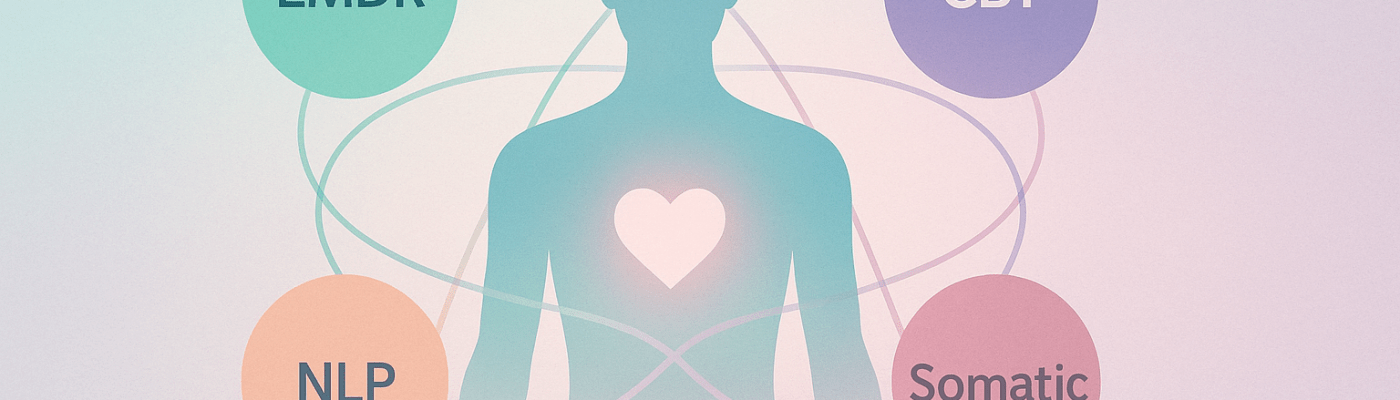
Personality psychology is an academic field within psychology that investigates the enduring patterns of thought, emotion, and behavior that define individuals. It seeks to explain how personalities develop, how they differ among people, and how they influence human experience and interaction. The field blends theory, empirical research, and applied practice in understanding human individuality.
Key Facts
- Foundational figures: Gordon Allport, Carl Jung, Sigmund Freud
- Core model: Five-Factor or “Big Five” (OCEAN) traits
- Major approaches: Trait, biological, psychodynamic, humanistic, social-cognitive
- Measurement tools: Self-report inventories, behavioral observation, clinical interviews
- Applications: Mental health, workplace assessment, education, and social research
Historical Background
Modern personality psychology emerged in the early 20th century as researchers shifted from philosophical speculation to empirical study. Allport’s 1937 text Personality: A Psychological Interpretation established it as a scientific discipline. Early influences included psychoanalytic theory from Freud and typological ideas from Jung. The field evolved through mid-century developments such as Hans Eysenck’s factor analysis and later the lexical and statistical approaches that produced the Big Five taxonomy.
Theoretical Perspectives
Trait theory remains the most widely used framework, proposing stable dimensions like openness, conscientiousness, extraversion, agreeableness, and neuroticism. Biological theories explore genetic and neurological correlates of traits, while psychodynamic theories emphasize unconscious drives. Humanistic and existential models focus on self-actualization and meaning, and social-cognitive theories examine learned patterns and self-regulation.
Research and Methods
Personality psychologists employ psychometric testing, longitudinal studies, and experimental designs to measure and explain behavior. Common instruments include the NEO Personality Inventory and the Myers–Briggs Type Indicator. Modern research integrates genetics, neuroscience, and cultural psychology to understand personality’s stability and plasticity across the lifespan.
Relevance and Applications
Findings from personality psychology inform psychotherapy, organizational behavior, and health interventions. Understanding personality differences aids in predicting job performance, interpersonal compatibility, and psychological well-being. The field continues to evolve through computational modeling and cross-cultural studies linking personality to social outcomes and identity development.

