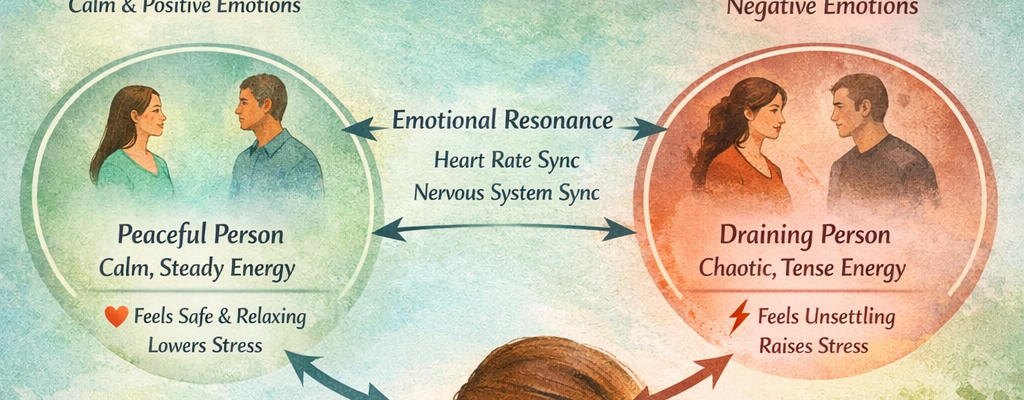


Compatibility is less about instant chemistry and more about whether two people can build something sustainable.
Chemistry can get you interested.
Compatibility helps you stay.
Here are the main areas to look at:
1. Values compatibility
Do you agree on the big things?
- family
- honesty
- lifestyle
- money
- ambition
- fidelity
- children
Shared values reduce long-term friction.
2. Emotional compatibility
How do you handle feelings together?
- Can you both communicate?
- Can you repair after conflict?
- Do you feel safe being honest?
- Is one person avoidant while the other is anxious?
This often matters more than hobbies or interests.
A common mismatch is between Attachment theory styles—for example, anxious and avoidant patterns.
3. Lifestyle compatibility
Practical life matters:
- sleep habits
- social life
- travel preferences
- cleanliness
- spending habits
- pace of life
Love struggles when daily lives constantly clash.
4. Intellectual compatibility
Do conversations flow?
Can you challenge and stimulate each other?
Do you enjoy how the other person thinks?
5. Physical compatibility
Attraction matters—but so does:
- affection style
- touch preferences
- sexual expectations
- pace of intimacy
Signs of good compatibility
✅ You feel calm, not confused.
✅ Communication feels easier than difficult.
✅ You don’t feel you have to perform.
✅ Differences feel manageable, not exhausting.
✅ Your future goals align.
Signs of poor compatibility
⚠️ Constant mixed signals
⚠️ Repeated misunderstandings
⚠️ Different life goals
⚠️ One person doing most of the emotional work
⚠️ Great chemistry but ongoing instability
A useful question on early dates is:
“How do I feel after spending time with this person—energized, peaceful, anxious, or depleted?”
That answer tells you a lot.

