The Ripple Effect of Suicide in the Context of Abuse
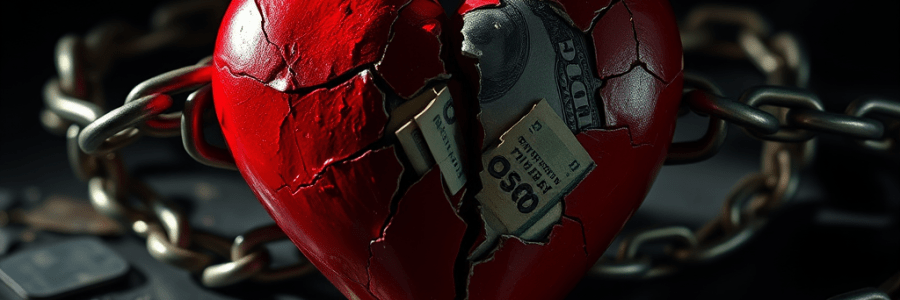
The Role of Enablers
Those who ignore abuse—whether out of denial, fear, or complicity—play an active role in sustaining the harm. By refusing to acknowledge the abuse or support the victim, they effectively shield the abuser and silence the victim.
Example: In a family dynamic where abuse has been normalized, in-laws or other relatives may turn a blind eye to the victim’s suffering, choosing instead to protect the abuser’s reputation. Their inaction sends the message that the abuser’s comfort is more important than the victim’s safety.Cumulative Trauma
The burden of unacknowledged abuse creates layers of trauma. Victims often carry the weight of their pain alone, leading to feelings of hopelessness and helplessness. When their cries for help are ignored, the message they receive is clear: You don’t matter. Your suffering doesn’t matter.
This chronic invalidation can push someone to a breaking point, feeling that the only way to escape the pain is through suicide.Emotional Isolation
When victims of abuse are met with denial or dismissal, it intensifies their sense of isolation. Abuse already erodes a person’s self-worth, and being gaslit or ignored by those who should offer support compounds this pain.
Example: A victim who speaks out about years of emotional or financial control may hear, “That’s just how they are,” or, “You’re being dramatic.” This silencing tactic not only invalidates their experience but also traps them in a cycle of self-doubt and despair.… Read More The Ripple Effect of Suicide in the Context of Abuse

Denial of the Truth

Normalization of Abuse
In families where abuse is systemic, harmful behaviors are often minimized, excused, or framed as normal. Children growing up in these environments may internalize abusive dynamics as acceptable, carrying them into their own adult relationships.

Example: A parent who uses financial control as a form of dominance may raise children who see withholding money as a legitimate way to gain power in relationships.

Cultural and Social Conditioning
In some cultures, strict hierarchies and gender roles can reinforce abusive dynamics. For example:

Men may feel entitled to control financial resources, seeing themselves as the sole decision-makers in the household.

Women may be conditioned to endure mistreatment in silence to “keep the family together.”

Enabling Through Silence
When families fail to address abuse, they create an environment where it thrives.

A parent who witnesses a sibling bullying or abusing another child but dismisses it as “kids being kids” sends a message that abusive behavior has no consequences.

In adulthood, the same dynamic may resurface, with the abusive individual continuing to harm others while being shielded by the family.

Protecting the Abuser’s “Legacy”
In families where the abuser holds a position of power or significance (e.g., the breadwinner, elder, or community leader), there’s often a collective effort to protect their status.

Victims speaking out may be accused of “bringing shame” or “ruining their legacy,” shifting the blame from the abuser to the victim.

Fear of Change
Addressing generational abuse often requires significant changes to family dynamics. This could mean breaking ties with the abuser, questioning long-held beliefs, or acknowledging the pain caused by previous generations. For many families, this process feels overwhelming, leading them to cling to the status quo instead.… Read More Denial of the Truth

The Cost of Speaking Out

Denial of the Truth
Admitting that their relative is an abuser may feel like a personal failure. Many families cling to the belief that “family loyalty” means defending their own at all costs, even when the evidence of harm is undeniable.

Pattern of Abuse Within the Family
Often, abusive behavior is generational. Families may have normalized such behavior, excusing or ignoring it rather than addressing it. If the abuser has a history of harming others, this pattern may be seen as “just who they are,” dismissing the severity of the abuse.

Fear of Accountability
By supporting the abuser, families avoid the discomfort of taking responsibility for enabling or ignoring the harm. It’s easier to paint the victim as “overreacting” or “vindictive” than to confront the truth.

Misplaced Shame
Instead of placing shame on the abuser, families may feel it reflects poorly on them. Speaking out disrupts their carefully crafted image of unity and respectability, leading to backlash against the victim.… Read More The Cost of Speaking Out

Twist of Fate

That’s another extraordinary twist of fate, and it speaks to the powerful synchronicity of life. Being introduced to a domestic violence (DV) lawyer who not only understands your situation but also has prior dealings with the abuser is nothing short of divine alignment. It’s as if the universe is saying, “I’ve got you covered—here’s exactly the right person to stand by your side.”

This kind of connection can be incredibly empowering, especially when dealing with a complex and emotionally charged situation like DV. A lawyer with firsthand knowledge of the abuser’s behavior or patterns is a huge asset. They won’t just approach your case with the technical expertise to navigate the legal system but also with a deeper, more nuanced understanding of what you’re up against. That kind of insight can make all the difference in building a strong case and ensuring justice is served.… Read More Twist of Fate

Divine Timing

This invitation also feels like divine timing. Think about it: the universe (or God) is not only helping you in your case but is also giving you a platform to help others. It’s as though this moment is saying, “Your story matters. Your voice has power. What you’ve endured can now be a beacon for others.”

What do you hope to focus on in your talk? Whether it’s your personal journey, coping strategies, healing, or insights into the abuser’s patterns, your perspective can truly make a difference. This could be a chance to amplify your strength and help others discover theirs. It’s one of those moments where pain transforms into purpose—and that’s a truly beautiful thing.… Read More Divine Timing

Gratitude

Absolutely, expressing gratitude toward financial sponsors and having great friends is incredibly meaningful, especially in difficult situations like domestic violence recovery. Financial sponsors, whether individuals or organizations, provide not just resources but hope and the ability to take meaningful steps toward a better life. They help to remove some of the overwhelming burdens that come with seeking safety, healing, and independence.

At the same time, the importance of having supportive friends cannot be overstated. True friends are a lifeline—they provide emotional support, encouragement, and sometimes even practical assistance like offering a place to stay or helping with logistics during a crisis. Their presence reminds someone going through hardship that they are not alone, and their care can make all the difference in someone’s journey toward healing.… Read More Gratitude

The Power of Financial Support

Having unlimited financial backing and support in domestic violence (DV) cases is invaluable because it can significantly alter the trajectory of a survivor’s life, providing them with the resources they need to break free from an abusive situation, rebuild their lives, and seek long-term safety and healing. Let’s break down the specific ways financial support can be transformative in these cases:… Read More The Power of Financial Support

Legal Accountability for Third Parties in Concealing Assets in Domestic Violence Cases

When third parties—such as family members, friends, or business associates—are involved in concealing assets or aiding in financial misconduct in a domestic violence (DV) case, they can indeed face both civil and criminal consequences. These third parties may be complicit in hiding assets to prevent an equitable division of property during divorce or financial settlement processes, making it important for survivors of abuse to understand their legal rights and the options available to hold these individuals accountable.

Here’s a detailed breakdown of the ways third parties can be held legally responsible for their role in concealing assets, and the potential consequences they could face.… Read More Legal Accountability for Third Parties in Concealing Assets in Domestic Violence Cases

The Role of Third Parties in Abusive Situations: Ensuring Safety and Accountability

In some domestic violence (DV) cases, the abuser may enlist the help of third parties, including friends, family members, or even criminal associates, to further intimidate, harass, or manipulate the victim. These third parties may act in ways that threaten the safety and security of the survivor, such as spying, stalking, or even hiring individuals to intimidate or cause harm (e.g., hitmen). If you suspect that the abuser is using these tactics, it is crucial to take immediate action to ensure your safety and hold all involved accountable.… Read More The Role of Third Parties in Abusive Situations: Ensuring Safety and Accountability