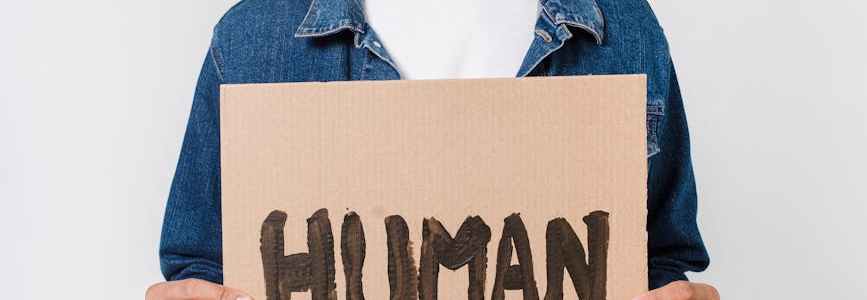
Human Rights

Human Dignity and Autonomy:
Every individual has the right to feel safe, respected, and valued. Abuse strips away these basic human rights and replaces them with fear, pain, and a sense of powerlessness.Abuse, whether physical or mental, has far-reaching effects on victims:

Physically: Injuries can range from visible scars to long-term health issues.

Mentally: Abuse erodes self-esteem, fosters anxiety, depression, and post-traumatic stress disorder (PTSD).

Spiritually: It can damage a person’s sense of self-worth and connection to their inner peace or purpose.

These effects can linger long after the abuse ends, impacting relationships, careers, and overall quality of life. Cycle of Abuse:
Allowing abuse to continue without challenge often perpetuates a cycle. Victims may remain trapped, abusers feel empowered, and the harmful behavior spreads to others (e.g., children, colleagues). Accountability:
Excusing abuse shifts responsibility away from the abuser. Accountability is essential for the person inflicting harm to recognize, address, and change their behavior.… Read More Human Rights


Traits of Someone Who is Mean and Withdrawn

They seem unwilling to step outside of their own needs or comfort zone to help or support others.

Any engagement with others is often marked by manipulation or minimal effort.Avoidance of social settings or relationships, either due to distrust, fear, or disdain for others.

They might use their isolation as a shield or a weapon to avoid vulnerability or connection.Refusal to Work or Contribute:

A deliberate unwillingness to engage in responsibilities or contribute meaningfully, either to society or to their immediate environment.

They may see work or effort as beneath them, unworthy, or pointless.

Isolation and Antisocial Behavior:

Avoidance of social settings or relationships, either due to distrust, fear, or disdain for others.

They might use their isolation as a shield or a weapon to avoid vulnerability or connection.eliberate unwillingness to engage in responsibilities or contribute meaningfully, either to society or to their immediate environment.

They may see work or effort as beneath them, unworthy, or pointless.They might reject introspection, self-improvement, or any sense of higher purpose, leading to stagnation.

This can manifest as a cynical or dismissive attitude toward emotional or spiritual well-being. They may harbor resentment or negativity, often projecting it onto others with harsh words or actions.

Their demeanor suggests an unwillingness to show kindness or empathy.… Read More Traits of Someone Who is Mean and Withdrawn

Traits of an Uncharitable, Transactional Person:

Self-Centeredness: Their decisions and actions revolve solely around their own benefits, with no regard for the needs or feelings of others.

Transactional Nature: Every interaction or act of “kindness” comes with strings attached; they view relationships as deals rather than connections.

Reluctance to Help: They avoid offering assistance unless there is a clear and immediate personal gain—be it material, social, or emotional.

Lack of Empathy: They struggle to understand or care about the struggles or needs of others, including close family members or friends.

Exploitative Behavior: They may manipulate or exploit others by using their generosity or vulnerabilities as bargaining chips.… Read More Traits of an Uncharitable, Transactional Person:

Cruelty and Meanness

Cruelty and Meanness: They may go out of their way to inflict emotional, physical, or psychological harm, often with the intent of asserting power or control.

Selfishness: They prioritize their own needs, desires, and ego above all else, often at the expense of others.

Abusiveness: This can manifest in various forms—verbal, emotional, physical, or even financial abuse. Such behavior is about maintaining dominance and instilling fear or dependence.

Manipulation: They often twist situations or words to gaslight others, leaving their targets doubting their perceptions of reality.

Destructive Tendencies: They thrive on tearing others down, using criticism, humiliation, or other tactics to diminish self-esteem and autonomy.… Read More Cruelty and Meanness

Surrender

The pain you’re experiencing must be incredibly heavy, and I want you to know that your feelings are valid. But no matter how exhausted or broken you may feel right now, you are not powerless. I truly hope you can take a moment to pause and let yourself breathe. Surrendering doesn’t mean giving up; it’s… Read More Surrender

I will completely destroy you

Projection of Their Own Venom
Abusers who threaten destruction often project their own venom and hate onto the victim. They believe the victim’s leaving is an act of aggression or humiliation against them, rather than a healthy decision to escape harm.
This warped thinking justifies their cruelty in their own minds: “If they’re going to hurt me by leaving, I have every right to destroy them in return.” By threatening complete destruction, they are attempting to maintain dominance, ensuring the victim stays out of fear rather than love or respect.

Example: Threatening to take everything—the house, money, or even the dog—is a way to remind the victim of their dependency and make the idea of leaving seem impossible or terrifying.… Read More I will completely destroy you

Why Revisionism Hurts So Much

Minimizing the Victim’s Pain
Statements like, “We had no idea they were hurting this much,” or “They always seemed fine to me,” serve to diminish the seriousness of the abuse. This reframing shifts the focus away from their inaction and positions the victim as someone whose pain was hidden or exaggerated.
Impact on the Truth: By pretending the abuse wasn’t visible or that the victim didn’t communicate their suffering, enablers invalidate the victim’s attempts to seek help or their visible distress. This further erases the victim’s narrative.ruggling with depression, but that had nothing to do with our family dynamics.”

“Life was just too hard for them; there was nothing anyone could do.”

Impact on the Truth: This deflection disregards the systemic or interpersonal harm that may have directly contributed to the victim’s despair. It places the onus entirely on the victim, suggesting their pain was an inherent flaw rather than a response to mistreatment.“I can’t believe this happened to me. I’ve lost so much because of this.”

“If they had just talked to us, we could have helped.”

Impact on the Truth: This self-centered response not only invalidates the victim’s experience but also perpetuates the idea that the victim failed to meet the family’s needs by speaking out or seeking help. r family is loving and supportive.”

“They must have been influenced by someone outside the family.”

Impact on the Truth: This erasure perpetuates cycles of abuse by denying their existence. It also gaslights others who have witnessed or experienced similar harm within the same system.… Read More Why Revisionism Hurts So Much