How to protect a new relationship, and yourself, from a jealous, vengeful or controlling ex
A safety note first. If a former partner has threatened to hurt or kill you, or has threatened you for the simple act of moving on, this is not ordinary jealousy. It is a recognised form of coercive control, and it should be taken seriously, particularly when you begin a new relationship, which can be a time of heightened risk. If you are in danger, contact your local emergency number straight away. Many countries also have specialist, confidential helplines for abuse by a partner or ex-partner. Search for the one in your country, or ask a doctor, a lawyer or a local support service. The practical sections below are no substitute for a personalised safety plan with a trained advocate.
The new chapter, and the old one that won’t close
Meeting someone new after a long relationship or a painful separation can bring joy, nervousness, and hope. For some people it also brings an unwelcome shadow: an ex who cannot accept that you’ve moved on.
They may send messages, turn up unannounced, tell stories about you to mutual friends, contact your new partner, or try to unsettle you in subtler ways. For those who have lived with threats or control, the fear can be much deeper. Some have spent years being told, “If you ever meet someone else, you’ll regret it.” Then, one day, you do meet someone else, and the nervous system braces for the consequences.
This article is about holding two things together: allowing yourself to enjoy the new, and protecting yourself from the old.
Understanding jealousy, revenge and vindictiveness
It helps to understand what’s often going on, without excusing it.
Control, not love. Behind many possessive reactions is a need for power. When you build a life that doesn’t depend on them, they lose their sense of control, and some respond by trying to regain it.
Wounded pride. For some, being replaced is felt as humiliation. Revenge becomes a way to restore status.
Black-and-white thinking. Vindictive personalities often see people as entirely loyal or entirely traitorous. Moving on can cast you as the villain in their story.
An audience. Many wish to be seen as the injured party, so they recruit others to their version of events.
You don’t need to diagnose anyone. What matters is the pattern: if someone repeatedly crosses boundaries, threatens, monitors or smears you, you protect yourself, regardless of their reasons.
Separating the new from the old
Think of this as building a clear boundary between two chapters of your life.
- Keep the ex out of the new relationship’s daily life. Avoid discussing the ex’s behaviour in detail at every opportunity. Give your partner the facts they need, then let the new relationship be about you two.
- Don’t let the ex set the agenda. If every date, plan or conversation becomes shaped by what the ex might say or do, they are still in control of the relationship in some way. Notice this, and gently shift it.
- Tell your new partner the essentials early. Let them know if there is a history of threats, harassment, or legal protections in place, so they aren’t blindsided and don’t try to “sort it out” themselves. Ask them not to engage with the ex directly.
- Agree a simple plan together. For example: who to tell if the ex makes contact, what is documented, and what to do if the ex turns up.
- Don’t compare, and don’t test. Your new partner is not the ex. Fear can make us watch for the same patterns, but give the new person the chance to show who they are.
Protecting yourself in practical ways
1. Document everything. Save messages, voicemails, emails, screenshots, dates and details of any incident. Keep copies somewhere the ex cannot access. A clear record is powerful if you ever need to involve the police, a lawyer or a court.
2. Minimise or end contact. Block or mute them where it’s safe to do so. If contact is unavoidable, for example because of children or finances, keep it brief, written and factual, ideally through a formal channel or a third party.
3. Don’t engage with provocation. Replies often fuel the fire. A calm, silent boundary tends to be harder for a controlling person to push against than an emotional argument.
4. Tighten digital security. Change passwords, check shared accounts and devices, turn off location sharing, review who can see your social media, and be careful about posting your plans or location.
5. Use legal protections where they exist. Depending on where you live, there may be protective or restraining orders, no-contact orders, or other measures. If one is in place, keep a record of any breach and report it each time. Know when it expires, and speak to a lawyer or advocate in good time about renewing or strengthening it.
6. Build a circle of awareness. Trusted friends, family, neighbours and colleagues who know the situation can help you stay safe. Agree a code word you can use to signal that you need help.
7. Trust your instincts. If something feels wrong, treat that as important information. You don’t need proof to take sensible precautions.
Dealing with smear stories and mutual friends
A vengeful ex may try to damage your reputation. A few principles help:
- Don’t chase every rumour. You can’t control what others say, but you can control how you respond.
- Say little, and say it calmly. “I’d rather not go into it, but thank you for asking.” A dignified short answer protects you better than a long defence.
- Let your behaviour speak. Over time, consistent, steady conduct carries more weight than any argument.
- Keep your safe people close. The friends who stay curious and kind, rather than taking sides, are the ones to invest in.
Looking after your mind and body
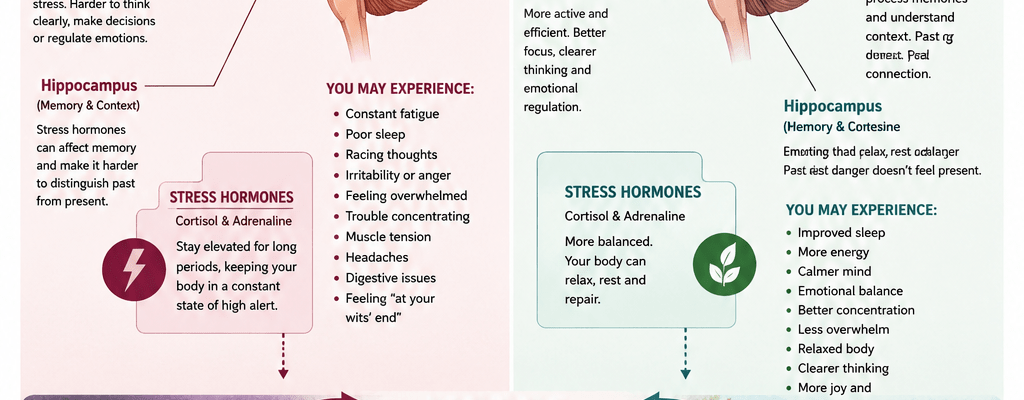
Years of threats or control can leave a lasting imprint. Even when the danger has passed, your nervous system may stay on high alert, and a new relationship can stir up old fears.
- Regulate before you react. Slow breathing with long exhales, grounding through the senses, and gentle movement help settle the stress response.
- Reframe the story. From an NLP perspective, separate what happened from the story I now tell myself. “He threatened me” is a fact. “I’m not allowed to be happy” is a conclusion left over from the threats, and it can be questioned.
- Seek trauma-informed support. A therapist who understands coercive control can help you work through the fear, and the guilt that sometimes shows up when you start to enjoy life again.
- Allow joy. It is not betrayal, and it is not tempting fate. Happiness after hardship is something you are entitled to.
A closing thought
Moving on is not an act of defiance against your ex. It’s simply you reclaiming your life. A vengeful person may not like it, but their reaction is theirs to manage, not yours to prevent.
With sensible protections, supportive people around you, and an open heart, you can protect the new without letting the old hold the pen.
This article is for general information and emotional support only and is not legal, medical or professional safety advice. If you are in immediate danger, contact your local emergency services.

