Don’t Let the Killjoy Ruin the Happy Ending

The author reflects on a conversation with a friend about a new, happier relationship after a previous one marked by negativity. The friend warns against letting the ex’s misery affect the new relationship. This realization leads to a liberating perspective: happiness should not be dictated by others, and the author chooses to embrace joy and spontaneity.… Read More Don’t Let the Killjoy Ruin the Happy Ending

When the Behaviour You Taught Comes Back to You

The content discusses how children learn behaviors from their parents, often unconsciously adopting negative patterns such as manipulation, disrespect, or cruelty. It emphasizes the importance of modeling healthy relationship dynamics, as children may later reflect these learned behaviors back onto their parents. The piece urges introspection on what values are being taught through actions, not just words.… Read More When the Behaviour You Taught Comes Back to You

What Are We Really Teaching Our Children?

The content discusses the impact of adult behavior on children’s understanding of kindness and relationships. It highlights the contradiction between teaching respect while adults engage in cruel behavior for amusement. The text emphasizes that children learn from adult actions, urging a reflection on how choices can influence their values and treatment of others.… Read More What Are We Really Teaching Our Children?

When Someone Suggests They Know Something About A Child That You Don’t Know — Don’t Ignore the Alarm Bells

Sometimes the most important warning sign isn’t what someone tells you. It’s what they imply they know. Imagine someone makes an apparently casual comment about your child. Perhaps they mention something you didn’t know. Perhaps they imply they have information about your child’s life that hasn’t been shared with you. Perhaps they say: “I know… Read More When Someone Suggests They Know Something About A Child That You Don’t Know — Don’t Ignore the Alarm Bells

Would You Believe the Evidence — or Protect the Person You Love?

The content discusses the complexities of recognizing and addressing potential grooming behaviors towards children by trusted individuals. It emphasizes the psychological challenges parents face when confronted with allegations against those they know and care for, urging them to remain vigilant for warning signs and prioritize their children’s safety above discomfort or reputations.… Read More Would You Believe the Evidence — or Protect the Person You Love?

“What Did You See in Him?” — Just Look at the Family Photo!

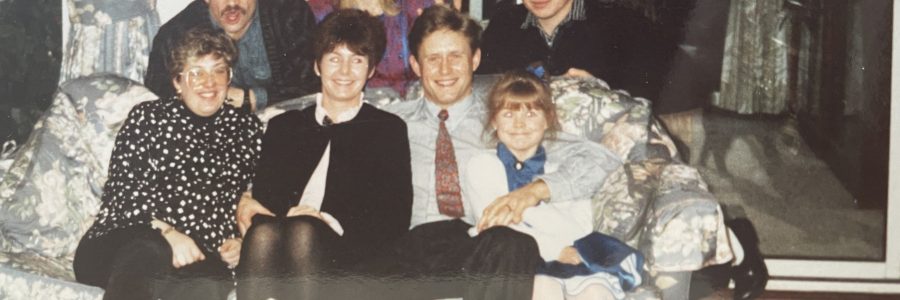
The author reflects humorously on her unconventional past relationship, contrasting her first husband’s attractiveness with her second’s physical mismatches. She acknowledges that attraction can extend beyond appearance, driven by emotional needs and circumstances. Ultimately, she returns to her original type, illustrating how personal preferences can resurface after significant experiences.… Read More “What Did You See in Him?” — Just Look at the Family Photo!

Hands Up: I Wasn’t Actually Looking for a Boyfriend — I Was Looking for My Children

The lengths a mother will go to when she hasn’t seen her children for two years I have a confession to make. Looking back, I have to laugh. When I got together with my ex, there was a very important detail he apparently failed to notice. I wasn’t actually there because I was particularly interested… Read More Hands Up: I Wasn’t Actually Looking for a Boyfriend — I Was Looking for My Children

Entitlement, learned attitudes toward money, attachment, and family dynamics.

There is an interesting psychological phenomenon behind this, particularly when adult children suddenly become attentive when they believe an inheritance is imminent. It can reveal a great deal about entitlement, learned attitudes toward money, attachment, and family dynamics. The psychology of “inheritance behaviour” When a parent is perceived as having substantial assets, the relationship can subtly… Read More Entitlement, learned attitudes toward money, attachment, and family dynamics.

Healthy vulnerability 

This is a powerful subject, particularly because children don’t learn emotional resilience from watching adults pretend that nothing hurts. They learn it by watching adults experience difficult emotions and handle them safely. There is an important distinction between healthy vulnerability and making a child responsible for an adult’s emotional wellbeing. A parent doesn’t need to tell a child… Read More Healthy vulnerability 

What If We Taught Empathy as Seriously as We Teach Mathematics?

Imagine a school where children aren’t only taught how to solve mathematical problems, read books and pass examinations. Imagine a school where they are also taught how to understand another person’s feelings. How to recognise fear behind anger. How to notice when somebody is withdrawing. How to listen without immediately judging. How to disagree without… Read More What If We Taught Empathy as Seriously as We Teach Mathematics?