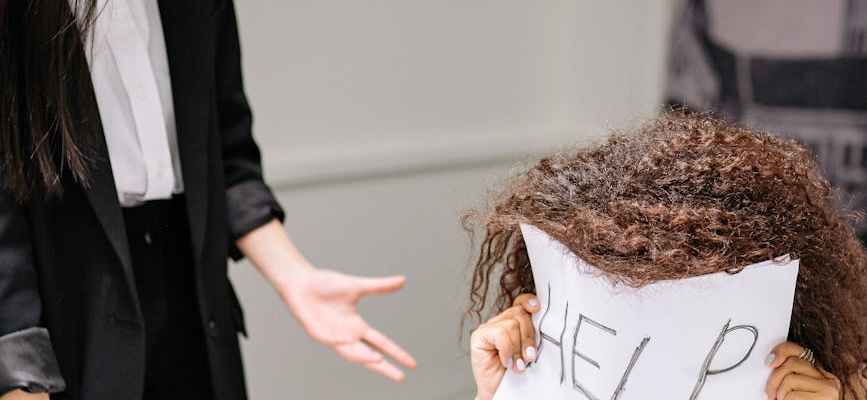
When you’ve lived with abuse or control, the world shrinks. You learn to watch someone else’s moods, to ask permission, to second-guess your own judgment. Surviving that takes a strength most people never have to find.
If you’re reading this from the other side of it, whether that’s weeks, months or years later, this post is for you. It’s an invitation to stop and look at how far you’ve come.
Your achievements may not look like anyone else’s
Many people measure success by promotions, milestones and big announcements. After abuse, the achievements that matter most are often quiet:
- Choosing what to eat for dinner without worrying about the reaction
- Spending your own money without having to explain it
- Seeing a friend or family member again
- Making a decision and trusting it
- Saying “no” and not apologizing afterwards
- Sleeping through a night
- Laughing and not checking who might be annoyed
- Leaving the house, or staying in it, because you chose to
These aren’t small. Control works by taking ordinary freedoms away one at a time, so getting each one back is a real victory.
Why it’s hard to see your own progress
Abuse often leaves behind a harsh inner voice that says you’re overreacting, you’re not doing enough, you should be “over it” by now. Please don’t mistake that voice for the truth. It was learned in a place where you were criticized, and you’re allowed to stop agreeing with it.
Healing also doesn’t move in a straight line. You can have a strong week and then a day when a smell, a tone of voice or a date on the calendar sends you right back. That doesn’t erase your progress. Setbacks don’t cancel growth, and the progress is still there.
Ways to mark how far you’ve come
- Keep an “evidence” list. Write down things you do now that you couldn’t do before. On hard days, read it.
- Compare yourself to then, not to anyone else. Your measuring stick is who you were when you were in it, not someone who never went through it.
- Say it out loud to someone safe. Telling a trusted friend, a counselor or a support group “I did this” lets someone else witness it with you.
- Celebrate in a way that feels good to you. A favourite meal, a walk, a new haircut, a day with no obligations. Pick something that was once forbidden or discouraged, and do it on purpose.
- Use the questionnaire as a mirror. Look at how you rated your decades. If recent years score higher than the years you were controlled, that is real evidence of change. If they don’t yet, it’s information, not a verdict, and you’re still allowed to be proud of surviving.
You don’t have to be “fully healed” to deserve credit
You don’t need to forgive, forget, feel strong every day or have everything sorted out before you can be proud of yourself. You can be hurting and growing at the same time. Both are true, and both are allowed.
Nothing about the abuse was your fault. How you lived through it, and what you’ve done since, belongs to you.
If you need support
Recovery from abuse is often easier with trained help, such as a counselor who understands trauma or a specialist domestic abuse service. If you’re still in a controlling situation, or you’re unsure whether what’s happening to you is abuse, you can reach out to a helpline in your country. Many are free and confidential, though how confidential varies by service, so it’s worth asking when you call. If you’re in immediate danger, contact your local emergency number.
If it isn’t safe to be reading this on a shared device or one someone else can monitor, consider closing the page and returning from a safer place.
A closing thought
Take a moment today to name one thing you’ve done that took courage. Say it plainly, without shrinking it or explaining it away. You earned it.
If you need support (Spain)
- 016: free, confidential, open 24 hours, in 53 languages. It’s for women experiencing gender-based violence and for people around them who want information. The call won’t appear on the phone bill, but it can show in the phone’s call log, so delete it afterwards.
- WhatsApp 016: 600 000 016
- Email: 016-online@igualdad.gob.es
- Emergency: 112 (also Policía Nacional 091, Guardia Civil 062)
- ALERTCOPS app: sends an alert with your location to the police.
- Under 18: ANAR helpline 900 20 20 10.
The 016 line is aimed at women, so if you’re a man experiencing abuse from a partner, it may refer you elsewhere. In that case, call 112 in an emergency or contact your local social services or a legal advice service.
If you’re reading from outside Spain, here are two common ones, which you should confirm are current before publishing: UK National Domestic Abuse Helpline 0808 2000 247; US National Domestic Violence Hotline 1-800-799-7233.
I’m not an expert, and I’m not here to tell you how to heal. I’m here to say that the progress you’ve made, however small it looks, is real. If this post helps one person see that, it was worth writing.
After abuse and control, the wins look small to everyone else: choosing your own dinner, spending your own money, seeing a friend, saying “no” without apologising.
They aren’t small. Each one is a freedom you took back.
What’s one thing you can do now that you couldn’t before? 💛
Support (Spain): 016 · WhatsApp 600 000 016 · Emergency 112
Healing isn’t a straight line, and you don’t have to be “over it” to be proud of yourself. Today, you could just notice one thing you’ve survived. That counts. Your Past
How far have I come?
“This is for you. There are no right answers, and you can stop at any point. If anything here feels like too much, close the page and come back another time or reach out to someone you trust.”
Part A: Then and now. Each is a Single choice field: 1 – Not at all · 2 – A little · 3 – Somewhat · 4 – Mostly · 5 – Completely. Add a second copy of each asking about “when I was in the relationship” if you want a before-and-after comparison.
- I feel free to make everyday decisions (food, clothes, plans) myself.
- I feel able to say “no” without a lot of fear or guilt.
- I trust my own judgement.
- I have people I can turn to for support.
- I have control over my own money and belongings.
- I feel safe in the place where I live.
- I can spend time with people I choose.
- I sleep and rest reasonably well.
- I feel hopeful about the future.
- I am kind to myself when I have a hard day.
Part B: Wins, big and small
- One thing I can do now that I couldn’t do before:
- Someone who helped me, and how:
- A moment I was proud of myself recently:
- A small way I’d like to celebrate:
Part C: What I’d like to work on next
- Feeling safer
- Rebuilding friendships and family contact
- Money and independence
- Rest and sleep
- Self-trust and confidence
- Getting professional support
Whatever your answers were, you’ve shown up for yourself today. If anything felt heavy, please consider talking to a trained support service. Helplines and contacts are listed below.
Scoring. Add up questions 1–10 for a total from 10 to 50. Higher means more freedom and support at the moment. Repeating it every few months shows the change, which matters more than the number. Don’t treat the score as a verdict. A low score means someone needs more support, not that they’ve done anything wrong.
- 016: free, confidential, open 24 hours, in 53 languages. It’s for women experiencing gender-based violence and for people around them who want information. The call won’t appear on the phone bill, but it can show in the phone’s call log, so delete it afterwards.
- WhatsApp 016: 600 000 016
- Email: 016-online@igualdad.gob.es
- Emergency: 112 (also Policía Nacional 091, Guardia Civil 062)
- ALERTCOPS app: sends an alert with your location to the police.
- Under 18: ANAR helpline 900 20 20 10.

