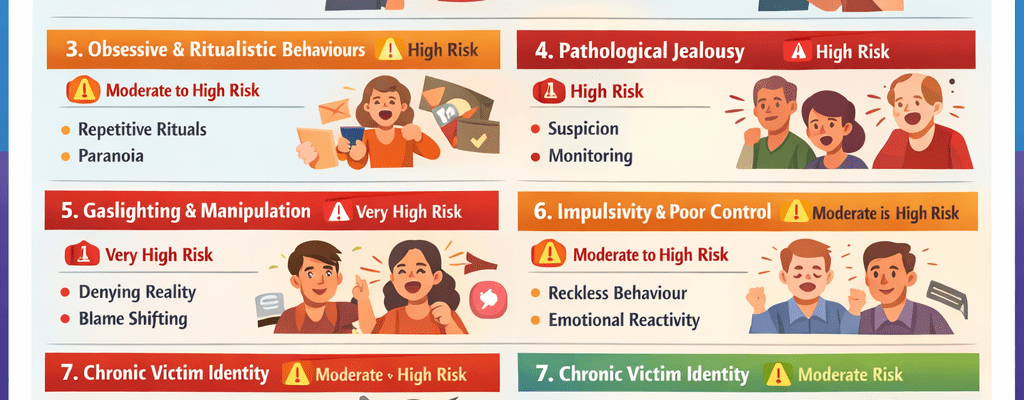
These three concepts can overlap, particularly after betrayal, humiliation, rejection, abuse or prolonged conflict. However, they describe different emotional experiences, attitudes and behaviours. Understanding the distinctions can be useful in trauma therapy, relationship recovery and recognising unhealthy interpersonal patterns.
1. Bitterness
Bitterness is a persistent feeling of resentment, hurt or disappointment associated with perceived injustice, betrayal or an experience that remains emotionally unresolved.
| Characteristic | Example |
|---|---|
| Persistent resentment | Continually remembering how someone treated you and feeling angry about it. |
| Unforgiveness | Feeling unable or unwilling to forgive someone who caused significant harm. |
| Cynicism | Assuming that people will eventually disappoint or betray you. |
| Repeated rumination | Replaying an argument or betrayal long after the event. |
| Emotional withdrawal | Becoming distant because previous relationships have caused pain. |
| Envy or resentment | Feeling anger when someone who hurt you appears to be enjoying life. |
| Generalisation | Believing that nobody can be trusted because one person betrayed you. |
| Injustice-focused thinking | Feeling that you cannot move forward until the harm is acknowledged. |
Examples:
- Someone who was financially exploited feels angry whenever they see the person responsible enjoying an expensive lifestyle.
- A person whose family dismissed their account of abuse continues to feel hurt when family gatherings take place without acknowledging what happened.
- Someone who experienced repeated humiliation becomes distrustful of compliments because they associate kindness with manipulation.
Bitterness can be an understandable response to unresolved injury. Feeling bitter does not automatically mean someone is behaving maliciously or seeking revenge.
2. Vengeance
Vengeance is the desire or intention to retaliate against someone because of a perceived wrong, often with the aim of making them suffer, restoring a sense of power or making the situation feel balanced.
| Characteristic | Example |
|---|---|
| Retaliation | Deliberately hurting someone because they previously hurt you. |
| Punishment | Wanting someone to experience the same humiliation they inflicted. |
| Reprisal | Taking action specifically because of a previous offence. |
| Score-settling | Keeping a record of wrongs and looking for opportunities to repay them. |
| Humiliation | Trying to embarrass someone publicly to make them feel diminished. |
| Sabotage | Deliberately interfering with someone’s work, possessions or relationships. |
| Intimidation | Threatening consequences to frighten someone into submission. |
| Revenge fantasies | Repeatedly imagining a situation in which the other person suffers. |
Examples:
- An ex-partner deliberately damages someone’s reputation because they initiated a divorce.
- Someone publishes private information to embarrass a former friend after an argument.
- A person deliberately disrupts another person’s plans because they believe they deserve to be punished.
Vengeance is about retaliation. It differs from seeking justice, which can involve accountability, lawful consequences, protection and recognition of harm without a personal intention to inflict suffering.
3. Maliciousness
Maliciousness is the intention to cause harm, distress, humiliation or disadvantage to another person, whether or not the behaviour is motivated by revenge.
| Characteristic | Example |
|---|---|
| Deliberate cruelty | Saying something specifically intended to cause emotional pain. |
| Humiliation | Mocking someone’s vulnerabilities in front of other people. |
| Deception | Knowingly spreading false information to damage someone’s reputation. |
| Sabotage | Deliberately undermining someone’s success or opportunities. |
| Exploitation | Taking advantage of someone’s vulnerability for personal gain or to cause harm. |
| Harassment | Repeatedly targeting someone with unwanted, distressing behaviour. |
| Intimidation | Using threats or frightening behaviour to create fear. |
| Deliberate exclusion | Excluding someone specifically to punish or distress them. |
| Manipulation | Knowingly using another person’s fears, guilt or insecurities to hurt or disadvantage them. |
Examples:
- A person invents damaging allegations about someone they dislike, knowing the allegations are untrue.
- Someone deliberately reveals a former partner’s private vulnerabilities to cause humiliation.
- A colleague intentionally withholds essential information so another person will fail at work.
Maliciousness concerns harmful intent. However, intent is not always easy to establish from behaviour alone, and harmful outcomes do not necessarily prove that someone intended harm.
4. Comparing the three
| Concept | Central feature | Typical question |
| Bitterness | Persistent resentment and unresolved hurt | “Why did this happen to me?” |
| Vengeance | Retaliation for a perceived wrong | “How can I make them pay?” |
| Maliciousness | Intentional desire to harm or disadvantage | “How can I hurt or undermine them?” |
These are conceptual distinctions, not diagnoses. One person may experience more than one at the same time.
5. How they can overlap in relationships
Consider a person who has been betrayed by a former partner.
- Bitterness: They remain deeply resentful about the betrayal and struggle to trust anyone again.
- Vengeance: They decide to expose the former partner’s secrets specifically to make them suffer.
- Maliciousness: They knowingly fabricate additional allegations to damage the former partner’s reputation, whether or not it helps them obtain revenge.
The same action can sometimes have several motivations. For example, publicly humiliating someone might be retaliatory, intended to cause harm, or both. Context and evidence matter.
6. What these concepts are not
It is important not to confuse these behaviours with legitimate emotional responses or protective actions.
| Not necessarily bitterness, vengeance or maliciousness | Why |
|---|---|
| Feeling angry after abuse | Anger can be a natural response to mistreatment. |
| Refusing to forgive | Forgiveness is a personal choice, not an obligation. |
| Ending a relationship | Leaving can be a protective decision. |
| Reporting abuse | Seeking lawful accountability is not inherently revenge. |
| Establishing boundaries | Protecting your wellbeing is not an attempt to punish someone. |
| Correcting false allegations | Defending your reputation is not inherently malicious. |
| Refusing further contact | No one is automatically entitled to continued access to another person. |
| Wanting an apology or acknowledgment | Wanting recognition of harm is not the same as wanting retaliation. |
7. A useful distinction for trauma recovery
Three different responses to being hurt
1. “I am hurt by what happened.”
An emotional response that deserves recognition and care.
2. “I want accountability for what happened.”
A desire for truth, protection, acknowledgment or appropriate consequences.
3. “I want to cause you suffering because you hurt me.”
A retaliatory intention that may develop into vengeance or malicious behaviour.
In therapeutic work, the distinction is valuable because someone can be deeply angry, refuse reconciliation and pursue justice without being consumed by vengeance or acting maliciously.
Equally, someone can appear calm, polite or forgiving while engaging in deliberate manipulation or harm. Emotional presentation alone does not establish a person’s motives.
A useful question to explore is: Am I trying to protect myself, obtain accountability, process my hurt, or deliberately cause another person pain? The answer can help distinguish healthy self-protection from retaliatory behaviour without judging someone simply for having difficult emotions.

