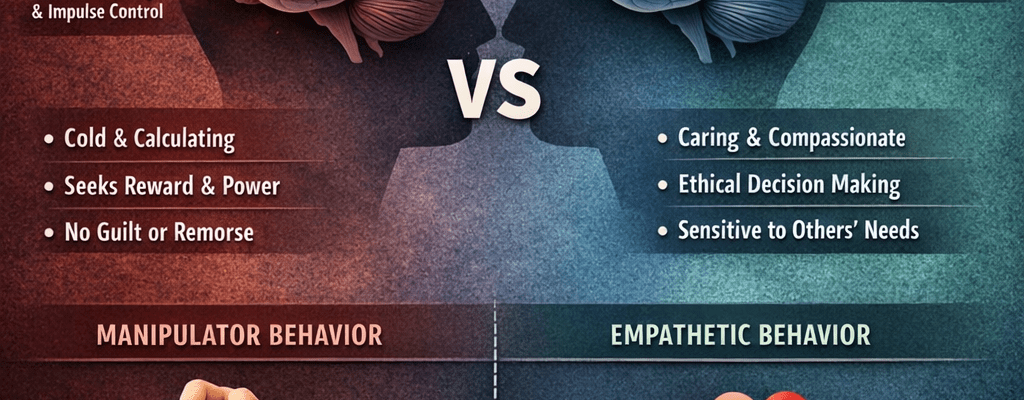
The mindset can vary from person to person, so it’s not possible to know exactly what any one individual is thinking. However, psychologists often describe certain patterns of thinking that can underlie persistent blame, resentment, and attempts to undermine others.
Some common patterns include:
- “I’m the victim.” They see themselves as the wronged party in almost every conflict, even when there is evidence that their own behaviour contributed to the situation.
- “Nothing is ever my fault.” Responsibility is externalised. Mistakes are explained away, denied, or attributed to someone else.
- “If I can’t win fairly, I’ll win by controlling the narrative.” Reputation becomes more important than truth. They may focus on convincing others of their version of events.
- “If someone leaves or rejects me, they must be punished.” Rather than accepting the end of a relationship, they may seek revenge, spread rumours, make complaints, or try to damage the other person’s reputation.
- “Someone else’s success feels like my failure.” Instead of feeling happy for others, they may experience envy or resentment and look for ways to diminish them.
- “I must always be right.” Being wrong feels intolerable because it threatens their identity or self-esteem.
- “Other people are tools.” Relationships may be viewed in terms of usefulness rather than mutual care, with people valued for what they provide rather than who they are.
- “My feelings are facts.” If they feel betrayed, they assume betrayal has occurred. Emotions become evidence, even when objective facts point elsewhere.
Why this can become a cycle
When someone repeatedly thinks this way, the brain can reinforce those patterns. Every grievance becomes proof that they’re right, every disagreement becomes another injustice, and every setback becomes someone else’s fault. Over time, this can create a self-perpetuating cycle of anger, blame, and conflict.
The healthier alternative
People with a healthier mindset are usually able to ask themselves difficult questions:
- Could I have handled that better?
- What was my part in this?
- What can I learn from this experience?
- How do I move forward instead of staying stuck?
These questions don’t mean accepting blame for someone else’s abusive behaviour. They reflect a willingness to grow and take responsibility for one’s own actions.
Ultimately, mindset shapes behaviour. A mindset rooted in accountability, empathy, and self-reflection tends to build trust and healthy relationships. A mindset rooted in blame, resentment, and the need to protect one’s image often leads to repeated conflict and damaged relationships.
It’s also important to remember that these are general psychological patterns, not diagnoses. Only a qualified mental health professional can assess an individual’s psychological functioning, and conclusions shouldn’t be drawn from isolated behaviours alone.

