💫 Taking Back Your Power After Financial, Physical, and Emotional Abuse

Abuse doesn’t just damage your confidence — it rewires your brain. Long-term exposure to control, fear, and manipulation conditions the nervous system to live in survival mode. You stop feeling safe in your own body. You question your reality, your worth, even your ability to make decisions. 🧠 The Neuroscience Behind ItChronic abuse triggers the brain’s stress… Read More 💫 Taking Back Your Power After Financial, Physical, and Emotional Abuse

Lack of Maturity

Walking out or leaving abruptly when you say no to sex — is extremely telling. It’s not about passion or hurt feelings. It’s about control, entitlement, and emotional immaturity. Let’s unpack what’s happening in their brain and psychology, and then go through what you can do to protect yourself. 🧠 Neuroscience + Psychology Behind “Walking Out” 1. Reward Rejection and Ego… Read More Lack of Maturity

🧠 Neuroscience of Recovery After Abuse & Separation

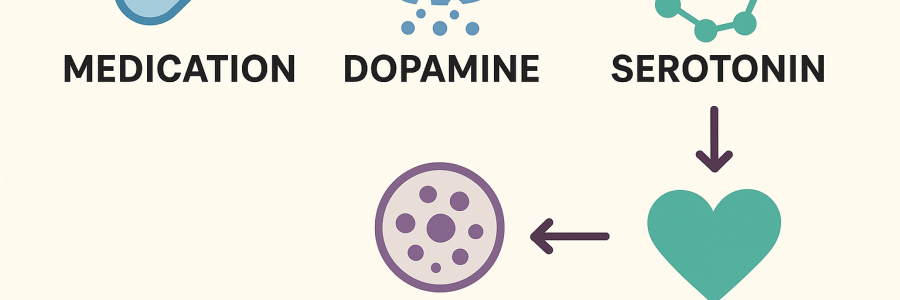
1. Brain Stress Systems (Damage Phase) Cortisol Flooding: Abuse or betrayal keeps the brain in “threat mode,” with the amygdala hyperactive and cortisol/adrenaline spiking. Prefrontal Shutdown: Logical thinking, planning, and self-control weaken — the brain prioritizes survival. Reward System Hijack: Dopamine drops, making it harder to feel motivated, and oxytocin bonds (even unhealthy ones) create withdrawal-like symptoms when the… Read More 🧠 Neuroscience of Recovery After Abuse & Separation

Guessing Games to Trauma Bond

One-line summary: A step-by-step diagram showing how withholding answers (“you’re guessing / you’ll never know”) drives chronic stress, brain changes, and dependency — turning poor communication into coercive control. Flowchart (quick visual) [Guessing games / withheld answers] | v [Uncertainty & confusion] | v [Hypervigilance & stress response] | v [Neurochemical changes: cortisol ↑, dopamine ↓]… Read More Guessing Games to Trauma Bond

Healing Trauma and Attachment

Trauma can profoundly shape the way we form attachments, influencing both our relationships and emotional patterns. Here’s a clear breakdown: 1. Basics of Attachment Styles Attachment theory identifies four main styles: Secure: Comfortable with intimacy, trusts others, can rely on others and self. Anxious (Preoccupied): Craves closeness, fears abandonment, often seeks constant reassurance. Avoidant (Dismissive): Struggles with intimacy,… Read More Healing Trauma and Attachment

Physical, emotional, and financial abuse.

You want to present evidence in court showing physical, emotional, and financial abuse. Here’s a structured approach for each type with practical steps and evidence you can gather. I’ll break it down clearly so it can serve as both a checklist and a guide for your case. 1. Physical Abuse Definition: Any intentional bodily harm or threat… Read More Physical, emotional, and financial abuse.

Key Global Prevalence Figures

Here are some of the most recent global estimates and statistics on physical, emotional/psychological, and financial abuse, including intimate partner, elder, children-abuse, etc. These are prevalence figures, not always “reported crimes,” because underreporting is a major issue. Key Global Prevalence Figures Population / Type Abuse Type Prevalence / Key Stats Violence against women (intimate partner /… Read More Key Global Prevalence Figures

🌱 Daily Practices for Moving Beyond Disgust

1. Retrain Attention (Shift Brain Real Estate) Why: The brain’s salience network (amygdala + insula) is still primed to “flag” reminders of the trauma. Redirecting attention weakens these circuits. 5 minutes/day: Notice when thoughts about them pop up → gently name it “irrelevant” → redirect to a grounding task (deep breath, sensation check, or focusing on your current… Read More 🌱 Daily Practices for Moving Beyond Disgust

🔬 Neuroscience of the Shift from Anger → Disgust

Anger is driven by heightened amygdala reactivity (threat detection, fight response). As the brain integrates the trauma, the amygdala may still fire, but instead of pure fight energy, signals shift toward the insula—the brain’s disgust center. This reflects the body’s attempt to distance itself from what feels toxic or contaminating. The anterior insula becomes more active when we feel… Read More 🔬 Neuroscience of the Shift from Anger → Disgust