Memory & Trauma Processing

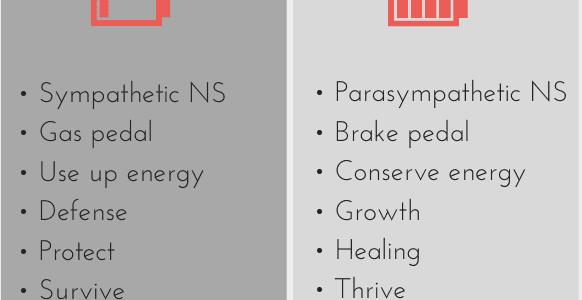
Alcohol can have a profound and often counterproductive impact on trauma recovery, both neurologically and psychologically. Here’s a detailed breakdown: 1. Nervous System Impact Trauma leaves the nervous system hypervigilant. Alcohol: Initially may feel calming or numbing. This is why many people self-medicate with alcohol. GABA modulation reduces inhibition → risky behaviors, impulsivity. Withdrawal and hangovers activate stress… Read More Memory & Trauma Processing

What “messing up” in trauma really is

When you’re traumatised, your nervous system is not choosing behaviour — it’s protecting you. So what looks like “wrecking the relationship” is often: reacting instead of responding pulling away suddenly or clinging too tightly misreading neutral signals as rejection needing reassurance but not knowing how to ask safely shutting down or becoming overwhelmed testing closeness to… Read More What “messing up” in trauma really is

Trauma Bonding vs Healthy Attraction

(How it feels in the body, mind, and nervous system) 🧠 Nervous System Trauma Bonding Feels intense, urgent, consuming Nervous system is activated (anxious, hyperfocused) Calm only comes from them Absence feels like withdrawal Healthy Attraction Feels steady, warm, curious Nervous system stays regulated Calm exists with or without them Absence is tolerable Key question:Do they regulate me —… Read More Trauma Bonding vs Healthy Attraction

Mind and Body

Meeting someone new while you’re still in trauma doesn’t mean you’re “doing it wrong” — but it does shape the relationship in very specific ways, whether people realise it or not. Let’s break it down gently and honestly. What trauma does to connection (even with good people) When you’re still in trauma recovery, your nervous system… Read More Mind and Body

Body and mind are often in a chronic survival state

After decades of abuse, the body and mind are often in a chronic survival state, even long after the relationship ends. This isn’t a flaw — it’s the nervous system doing exactly what it was built to do: protect you from ongoing threat. Understanding this helps identify which situations to avoid while rebuilding safety and autonomy. 1.… Read More Body and mind are often in a chronic survival state

The Exact Internal Moment When Strength Reclaims Itself

This is often subtle and gradual, not dramatic. Neuroscience + psychology line up here: Signal What’s Happening Internally Outcome Sudden clarity Prefrontal cortex takes control over amygdala-driven fear loops Realisation: I don’t have to negotiate my worth anymore Shift from hope to self-interest Dopamine cravings from intermittent reinforcement fade Attachment energy is redirected internally Internal boundary… Read More The Exact Internal Moment When Strength Reclaims Itself

The Stages Before Leaving (What Actually Happens)

1. Idealisation & Bond Formation What it looks like Intense connection, charm, attentiveness Feeling “seen” or chosen Fast emotional intimacy What’s happening internally Dopamine + oxytocin surge (bonding hormones) Sense of safety and meaning attaches to this person Key trap “This feels special — I’ve never had this before.” 2. First Boundary Breaches (Minimised) What it looks like… Read More The Stages Before Leaving (What Actually Happens)

Why some personalities trigger trauma bonds (and others don’t)

Trauma bonds form when attachment + threat + intermittent relief get wired together.Some personalities reliably create that wiring. 1. The Hot–Cold / Inconsistent personality 🔥❄️ Traits Intense connection early Sudden withdrawal Mixed signals Unpredictable availability Why it bondsYour nervous system learns: Connection is unstable — I must work for it. Uncertainty spikes dopamine.Withdrawal spikes cortisol.Relief feels euphoric. This is textbook intermittent reinforcement —… Read More Why some personalities trigger trauma bonds (and others don’t)

The overlap: why trauma bonds and healthy attachment both create loops

At the surface, both can look like: intrusive thoughts longing difficulty letting go replaying memories feeling “pulled back” despite logic That’s because both activate attachment circuitry and unfinished emotional processing. But what’s driving the loop is very different. Trauma bonding + Zeigarnik loops 🔥 (the sticky kind) What creates it Trauma bonds form through: intermittent reinforcement (warm → cold… Read More The overlap: why trauma bonds and healthy attachment both create loops