Why Some Families Actively Join in Cruelty

Psychology & Family System Dynamics 1. Why Some Families Actively Join in Cruelty Some families don’t just enable cruelty — they participate in it. This happens when cruelty becomes: A bonding mechanism A loyalty test A way to maintain power hierarchy A way to discharge collective fear, anger, or shame Psychological Drivers: Fear of the abuser →… Read More Why Some Families Actively Join in Cruelty

The Psychology & Neuroscience of Compulsive Control Through Legal Warfare

Here is a clear, grounded explanation of the mindset, psychology, and nervous-system drivers behind people who obsessively fight for control using lawyers, even when there is nothing real to fight about. Core Pattern: Control addiction Some people are not fighting issues.They are fighting loss of dominance. The legal system becomes their weapon of emotional regulation. 🧠 Neuroscience: What’s happening in their brain &… Read More The Psychology & Neuroscience of Compulsive Control Through Legal Warfare

What is control?

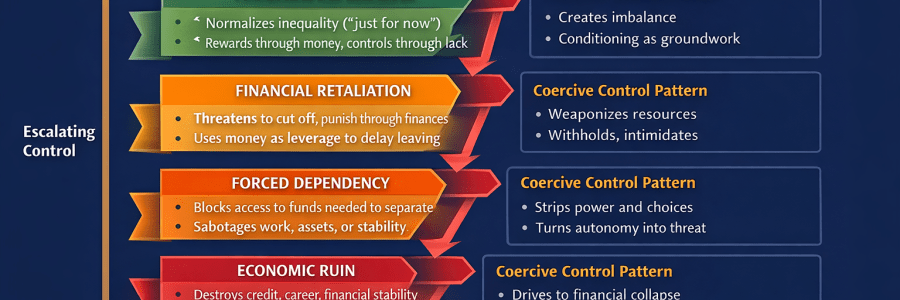
Here’s a clear, grounded definition of control, with concrete real-world examples, especially in the context of abuse, coercive control, and unhealthy power dynamics: What is control? Control is the systematic use of fear, pressure, threat, manipulation, or power to override another person’s autonomy, choices, safety, dignity, or freedom. It is not disagreement.It is domination. Core forms of control 1. Threat-based control… Read More What is control?

How to Break the Cycle in Your Relationships

The goal: stop repeating learned patterns, reclaim emotional safety, and build authentic connections. 1. Recognize the Pattern First Before you can change anything, you must identify it. Signs you may be repeating poisonous pedagogy dynamics: You tolerate humiliation or put-downs in adult relationships You struggle to express emotions or assert boundaries You seek validation obsessively or fear… Read More How to Break the Cycle in Your Relationships

Poisonous Pedagogy vs. Healthy Discipline

(Based on Alice Miller’s insights) 1. Poisonous Pedagogy (Schädliche Pädagogik) Definition:A child-rearing approach that teaches obedience through fear, shame, and humiliation, rather than respect, empathy, and guidance. Key Traits: Parents humiliate children openly Constantly put children down Rarely or never praise the child Lie or invent stories to manipulate or control Expect total obedience without question Teach that feelings… Read More Poisonous Pedagogy vs. Healthy Discipline

1. How To Spot Shame-Based Defensive Aggression Early

These signs show up long before big explosions. 🚩 Early Warning Signs 1. Overreaction to mild feedbackSmall observations → big emotional reactions→ disproportionate defensiveness→ irritation, sarcasm, shutdown, or subtle hostility 2. Zero curiosity about your experienceThey don’t ask: “What made you feel that way?” They say: “That’s ridiculous.” 3. Fragile self-imageThey: Brag Inflate accomplishments Need validation Struggle… Read More 1. How To Spot Shame-Based Defensive Aggression Early

Shame-Based Defensive Aggression

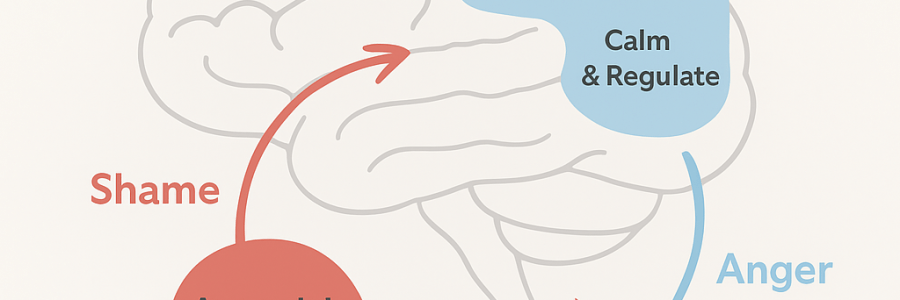
(Why some people attack when exposed) This is what happens when deep shame is activated, and the person does not have the emotional capacity to tolerate it. Instead of processing, reflecting, or repairing —they flip into attack mode. The Core Mechanism Shame feels like existential threat to certain nervous systems. Not: “I made a mistake.” But: “I am a mistake.” So the… Read More Shame-Based Defensive Aggression

The Psychology of Dating Predators

Why They Seem So Charming — and Why They’re So Dangerous Dating predators rarely look predatory. They don’t appear cruel, threatening, or obvious.They often appear charming, vulnerable, attentive, fascinating, or emotionally intense. Which is precisely why they succeed. What Is a Dating Predator? A dating predator is someone who seeks emotional, psychological, financial, or sexual benefit from… Read More The Psychology of Dating Predators