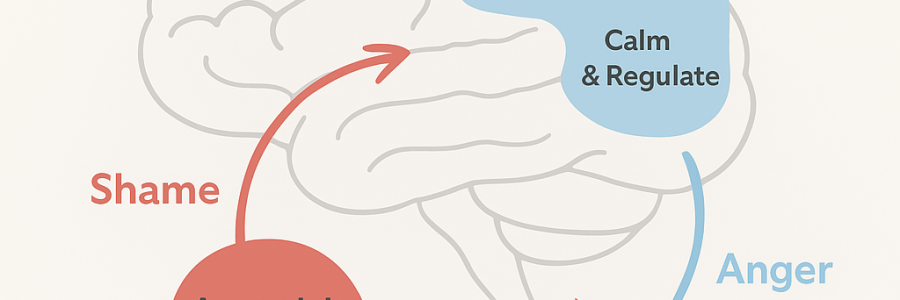
Fear and Shame

That is a very common and deeply harmful dynamic in cases of gender-based violence. When family or friends prioritize reputation, image, or “keeping the peace” over your safety, it adds a layer of secondary abuse and isolation. Here’s a breakdown of what’s happening and why it’s damaging: 🔹 What’s happening 🔹 Why it’s harmful 🔹 Healthy ways to handle… Read More Fear and Shame

Neuroscience of EMDR and Somatic Therapies in Trauma Recovery

How EMDR and Somatic Therapies Facilitate Neural Recalibration Trauma leaves lasting imprints on neural circuits responsible for threat detection, emotional regulation, and self-reference. EMDR (Eye Movement Desensitization and Reprocessing) and somatic therapies (body-focused approaches) specifically target these disrupted networks, promoting neuroplasticity and functional recovery. 1. EMDR: Processing Trauma Through Bilateral Stimulation Mechanism: Neuroscience effects: Clinical… Read More Neuroscience of EMDR and Somatic Therapies in Trauma Recovery

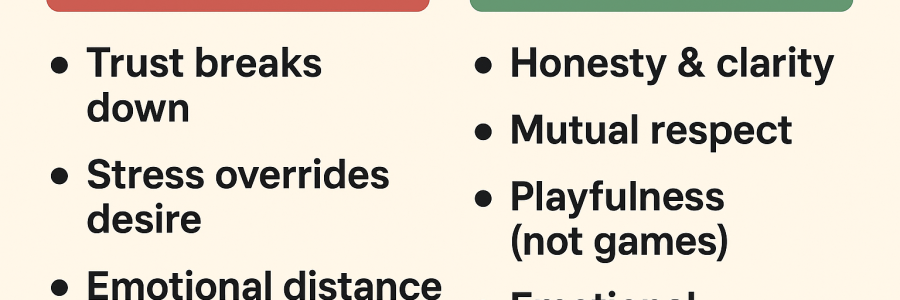
How Trauma Disrupts the Ability to Identify What Is Healthy

IntroductionIndividuals with a history of abuse frequently report difficulty determining what is “right” or “healthy” in relationships. This is not a matter of poor judgment or weakness; it is the predictable neurobiological and psychological result of prolonged trauma exposure. Abuse alters threat-processing systems, attachment circuits, and self-referential networks in the brain, which collectively distort the… Read More How Trauma Disrupts the Ability to Identify What Is Healthy

Intergenerational Transmission of Anxiety and Social Dysfunction:

A Research-Heavy Neuroscience & Psychology Overview** Modern science overwhelmingly supports the reality that anxiety and social functioning problems can be inherited— not only genetically, but through epigenetic modification, neurodevelopmental programming, and learned behavioral patterns across generations. This phenomenon is known as intergenerational transmission of trauma, epigenetic inheritance, and transgenerational stress programming. Below is a comprehensive explanation. 1. Epigenetic Transmission of Stress… Read More Intergenerational Transmission of Anxiety and Social Dysfunction:

Children Inheriting Anxiety and Social Difficulties

Neuroscience & Psychology Confirm This Is Real** For decades people believed anxiety was “personality” or a child being “sensitive.”But neuroscience and epigenetics show something deeper: 👉 Children can inherit anxiety and social difficulties — not just emotionally, but biologically.👉 Trauma, fear, and stress experienced by parents and grandparents can change how a child’s brain develops. This… Read More Children Inheriting Anxiety and Social Difficulties

How Abusive Fathers Impact Their Children and Grandchildren:

A Neuroscience & Epigenetics Explanation When a father is abusive — emotionally, physically, verbally, or psychologically — the damage does not stop with him. Modern neuroscience and epigenetics now confirm that trauma is inherited, not only through behaviour but also through biology. Children do not simply “grow out of it.”Generations absorb it. 1. The Child’s Brain… Read More How Abusive Fathers Impact Their Children and Grandchildren:

What Fathers Teach Their Sons When They Abuse Their Wives:

A Neuroscience Explanation of Intergenerational Harm** When a boy grows up watching his father mistreat, belittle, or abuse his mother, the lesson is not just emotional — it is neurological. His brain wires itself around what he witnesses every day. Neuroscience shows that children’s brains are shaped more by their environment than their genetics. So a father’s… Read More What Fathers Teach Their Sons When They Abuse Their Wives: