Self-Assessment: When You’re Not Sure If It’s Them — or You

This questionnaire is for moments of doubt.Answer each question with Yes / Sometimes / No.Notice patterns, not perfection. How You Feel Inside Do I often feel confused after conversations, unsure what just happened? Do I replay interactions in my head trying to work out what I did wrong? Do I feel anxious, tense, or on edge… Read More Self-Assessment: When You’re Not Sure If It’s Them — or You

Self-Assessment: Am I in a Healthy or Abusive Relationship?

Read each statement and answer honestly with Yes / Sometimes / No.There are no right or wrong answers — only information. Emotional Safety Do I feel emotionally safe expressing my thoughts, feelings, or needs? When I’m upset, am I listened to rather than dismissed, mocked, or blamed? Do disagreements stay respectful, without intimidation or cruelty? Do… Read More Self-Assessment: Am I in a Healthy or Abusive Relationship?

🧠 HOW CERTAINTY BLOCKS HEALING AFTER TRAUMA

(Trauma → brain → behaviour → stalled recovery) 1️⃣ TRAUMA SHATTERS PREDICTABILITY Trauma isn’t just what happened — it’s what it did to meaning. After trauma, the brain learns: The world is unsafe I didn’t see it coming I lost control This creates an existential threat, not just emotional pain. 2️⃣ CERTAINTY EMERGES AS A… Read More 🧠 HOW CERTAINTY BLOCKS HEALING AFTER TRAUMA

1. Why Kind People Are Targeted by Emotional Freeloaders

Kind people aren’t targeted because they’re weak.They’re targeted because they’re reliable sources of emotional regulation. From a psychology and neuroscience perspective, emotional freeloaders instinctively gravitate toward people who: listen without interrupting reflect emotions accurately don’t retaliate self-blame before blaming others tolerate discomfort quietly prioritise harmony Your nervous system soothes theirs. The Neuroscience Angle Humans unconsciously seek external… Read More 1. Why Kind People Are Targeted by Emotional Freeloaders

Why Kind People Feel Guilt More Intensely

1. Empathy Turns Other People’s Emotions Into Your Responsibility Kind people have highly active empathy networks (including the anterior insula and anterior cingulate cortex).This means you don’t just understand how someone feels — you feel it with them. So when someone is upset: your brain registers it as a shared problem your nervous system moves toward repair guilt arises not because you… Read More Why Kind People Feel Guilt More Intensely

How to Disengage Without Guilt

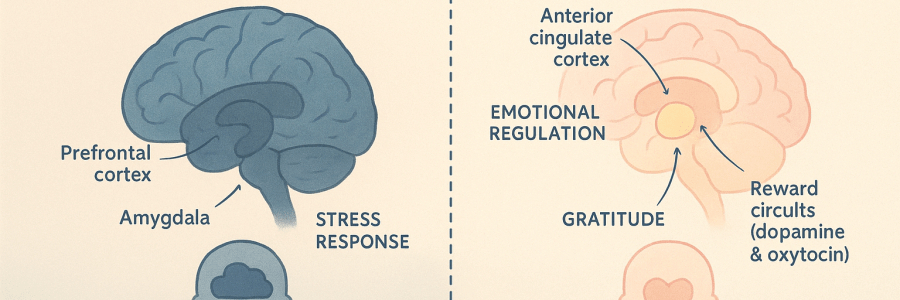
1. Reframe What You’re Doing (This Is Key) Guilt comes from a false belief: “I’m abandoning someone.”The truth is: you’re stopping unpaid emotional labour. In healthy relationships, care is reciprocal.When it isn’t, stepping back is self-protection, not cruelty. Neuroscience note: Guilt is often a conditioned response driven by the amygdala (threat/shame). When you reframe the story, the prefrontal cortex regains… Read More How to Disengage Without Guilt

Self Erasure

At some point, many people notice a quiet shift in their relationships. Conversations stop being mutual. Listening fades. What replaces it is agenda—people focused less on connection and more on what they can extract from a situation. This is how many relationships become transactional. Some people are interested only in favors, free help, emotional labor,… Read More Self Erasure

Crossroads

It’s completely human to reach a point where everything hits at once and you feel you’re standing at a crossroads with no clear direction. That feeling doesn’t mean you’re lost — it means life is asking you to pause, reassess, and choose with intention instead of autopilot. Here’s what’s really happening in moments like this, and what can help:… Read More Crossroads

Your Thoughts, Actions, and Beliefs Shape Your Reality — A Neuroscience View

What you’re pointing toward is neuroplasticity:the brain literally rewires itself based on the thoughts you repeat, the stories you tell, and the actions you take. This creates a kind of self‑fulfilling loop that can either protect you or harm you, depending on what you reinforce. Here’s how the science explains it: 1. The Brain Believes What You Repeatedly… Read More Your Thoughts, Actions, and Beliefs Shape Your Reality — A Neuroscience View

Why Healthy Relationships Matter

Surrounding yourself with healthy, supportive, and inspiring people is one of the most powerful ways to protect your emotional well-being, reinforce positive habits, and create resilience against toxic or dark-trait individuals. Here’s a breakdown of why and how to do it effectively: 1. Why Healthy Relationships Matter Neuroscience Perspective Mirror neurons: When you’re around people who are… Read More Why Healthy Relationships Matter