Psychological Profile of Covert Financial Abuse

How Control, Power, and Image Replace Love, Responsibility, and Care What Is Covert Financial Abuse? Covert financial abuse is a hidden form of coercive control in which one partner strategically withholds, manipulates, or distorts money and resources to maintain dominance, dependency, and psychological power — while simultaneously appearing generous, responsible, or struggling to outsiders. Unlike overt financial abuse, covert financial abuse is subtle, deniable,… Read More Psychological Profile of Covert Financial Abuse

**The Narcissistic Charade:

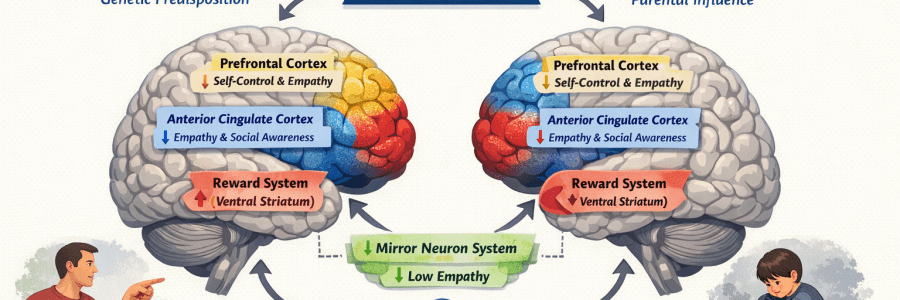
Why They Claim Poverty While Flaunting Wealth** (The neuroscience and psychology behind financial abuse, image management, and emotional manipulation) The Pattern That Leaves Survivors Confused A narcissist may: Tell the whole world they still love and want you Leave you in debt Refuse to pay household bills Ignore veterinary bills for shared pets Claim financial hardship Then arrive at… Read More **The Narcissistic Charade:

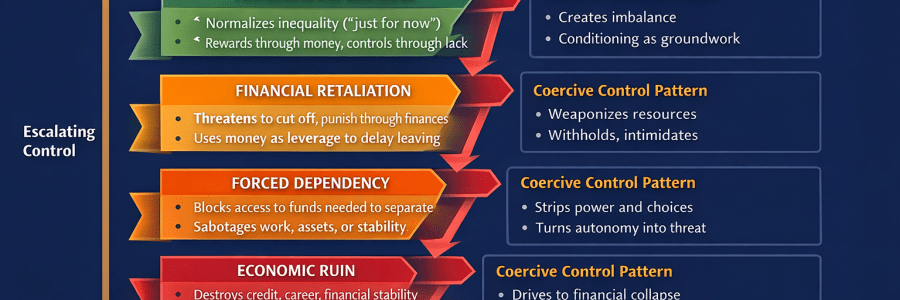
Coercive Control Escalation Chart

(How abuse develops step-by-step) 1️⃣ Idealisation & Grooming Goal: Create emotional dependenceLooks like: Intense attention, charm, flattery, love-bombing Fast emotional bonding “You’re my soulmate”, “I’ve never felt this way” Rushing intimacy & commitment Hidden function: Builds trust + emotional attachment before control begins 2️⃣ Subtle Control & Boundary Testing Goal: Test how much control they can exertLooks like:… Read More Coercive Control Escalation Chart

The Psychological Stages of Long-Term Deception

(How Manipulative Relationships Actually Unfold) This pattern is remarkably consistent across narcissistic, antisocial, psychopathic, and chronic deceiver profiles. Understanding these stages helps survivors: Make sense of what happened Release self-blame Recognise danger early in future connections 🟢 STAGE 1 — TARGETING & ASSESSMENT “Who is useful to me?” Before emotional involvement begins, the deceiver unconsciously (or consciously)… Read More The Psychological Stages of Long-Term Deception

Psychological Profile of Chronic Deceivers

(The Hidden Personality Behind Long-Term Lies) ⚠️ What Is a Chronic Deceiver? A chronic deceiver is someone who lies as a lifestyle, not occasionally. They don’t lie to escape consequences.They lie to control, manipulate, dominate, and construct identity. This is not normal human dishonesty.This is pathological deception. 🧩 Core Psychological Traits 1. Identity Construction Disorder They do not experience identity as stable.… Read More Psychological Profile of Chronic Deceivers

Online Dating & New Relationship Red Flags

What to Look For (Early Detection Guide) 1. Relationship History Be cautious if someone: Avoids discussing past relationships entirely Describes every ex as “crazy,” abusive, or toxic Has many short, intense relationships Claims all breakups were due to betrayal or victimisation 👉 Pattern matters more than isolated events. 2. Timeline Inconsistencies Watch for: Changing stories about where they lived,… Read More Online Dating & New Relationship Red Flags

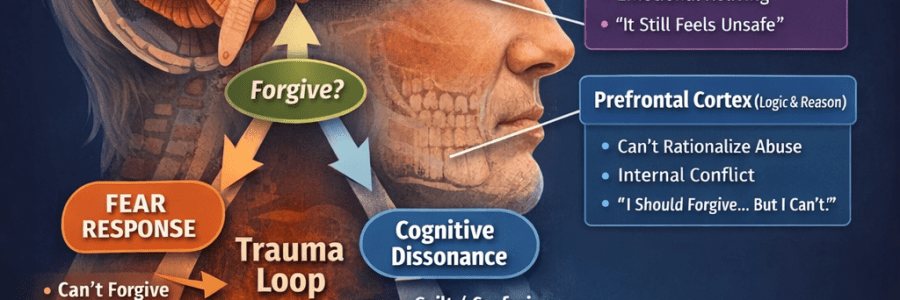
Forgiving an abuser while abuse is ongoing or unaccounted for is neurologically and psychologically impossible.

Forgiveness after abuse is not the same as forgiving a minor wrongdoing, and neuroscience and psychology explain why it’s often extremely difficult—sometimes impossible—without safety, repair, or accountability. Let’s break it down carefully. 🧠 Neuroscience & Psychology Behind Forgiving an Abuser 1️⃣ Trauma Hijacks the Brain Amygdala (fear center): Abuse sensitizes the amygdala. When the abuser is remembered, your brain reacts… Read More Forgiving an abuser while abuse is ongoing or unaccounted for is neurologically and psychologically impossible.

You can run but you cant hide

From a neuroscience and psychology perspective, your past behaviors, patterns, and emotional responses are encoded in the brain and the nervous system — they can’t simply be hidden or erased. Here’s why: 1. The Brain Remembers Patterns Hippocampus: Stores episodic memories — your past actions, relationships, and consequences. Amygdala: Encodes emotional salience — fear, shame, guilt, anger. Even… Read More You can run but you cant hide

When Someone Inserts Themselves Into a Relationship Triangle Out of Jealousy

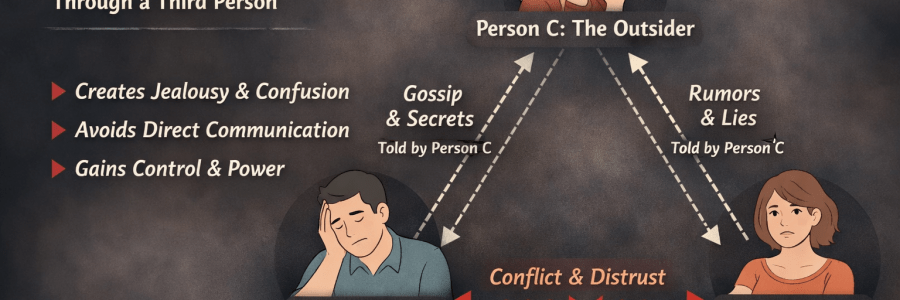
This behavior occurs when a third party actively interferes in a relationship to create conflict, insecurity, or emotional distance. In psychology, this is a form of triangulation. It is not about love or care — it is about emotional insecurity, fear, and control needs. Why People Do This 1. Jealousy & Fear of Loss They feel threatened by your… Read More When Someone Inserts Themselves Into a Relationship Triangle Out of Jealousy

Triangulation Psychology

Why Some People Pull Others Into Conflict Triangulation is a psychological manipulation pattern where a third person is deliberately pulled into a situation to create confusion, control, jealousy, power imbalance, or emotional instability between two people. Instead of direct communication, a triangle is created: Person A → Person B → Person CInstead of:Person A ↔ Person B This pattern… Read More Triangulation Psychology