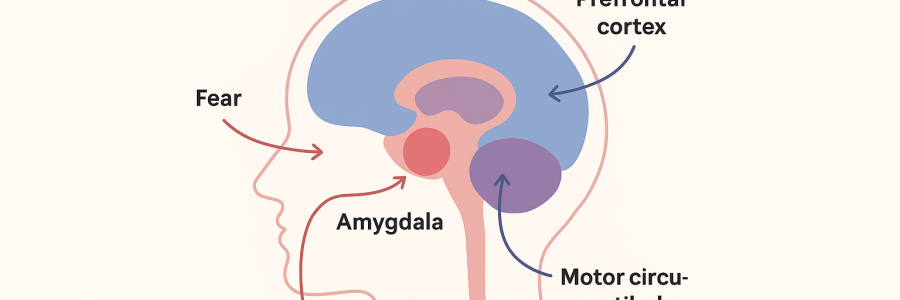
From Trauma to Transformation: Join Me in Spain for a Healing Retreat

I know how it feels.I have lived with trauma for 32 years.I have breathed it for decades. I know the weight it carries, the way it drains your spirit, the way it convinces you that life will always feel this way. But I also know something else—I know that healing is possible. Because I’ve done… Read More From Trauma to Transformation: Join Me in Spain for a Healing Retreat
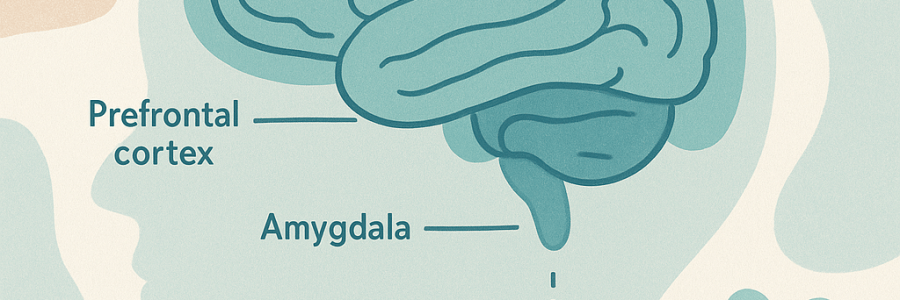
Healing Emotional Trauma: Rewire Your Brain at Our Retreat in Spain

Emotional trauma can leave deep imprints—not only on the heart, but on the brain and body as well. When we’ve been through prolonged stress, loss, or abuse, the nervous system can become stuck in survival mode. Thoughts spiral negatively, emotions feel overwhelming, and a constant state of tension can make peace seem out of reach.… Read More Healing Emotional Trauma: Rewire Your Brain at Our Retreat in Spain

The Neuroscience of Emotional Exhaustion and Learned Helplessness

When humans are exposed to prolonged fear, control, or psychological manipulation, the effects go far deeper than emotions alone. Neuroscience shows us that chronic stress reshapes the brain and body in ways that explain why people become exhausted, numb, and even trapped in states of helplessness. Emotional Exhaustion and the Brain At its core, emotional… Read More The Neuroscience of Emotional Exhaustion and Learned Helplessness

Our lives are shaped every single day by two invisible forces—our values and our beliefs.

I didn’t always see it this way. For years, I thought life was just about keeping going, doing what was expected, and holding everything together. But slowly, I began to realise that my values—what truly mattered to me—were not the same as the values of the people closest to me. Your values are the compass.… Read More Our lives are shaped every single day by two invisible forces—our values and our beliefs.

Compiling a Psychological Report for Court: Best Practices for Therapists

Psychological reports prepared for court carry a unique responsibility. Unlike standard therapeutic notes, which are private and focused on the client’s healing journey, court reports are formal, evidence-based documents designed to inform legal decision-making. The therapist’s task is to balance professional objectivity with compassionate understanding, ensuring that the report is both clinically sound and legally… Read More Compiling a Psychological Report for Court: Best Practices for Therapists

Life After Abuse: Same Routines, Different Freedom

When people leave an abusive relationship, outsiders sometimes imagine that their life becomes instantly unrecognizable—new hobbies, new social circles, a completely new identity. But the truth is often quieter and more profound. For many survivors, the external routines remain the same: the same home, the same hobbies, the same daily responsibilities. What changes isn’t always… Read More Life After Abuse: Same Routines, Different Freedom

1. Breathwork and the Autonomic Nervous System

Many tantric practices emphasize controlled breathing (pranayama). This isn’t just spiritual—it has a direct physiological effect: Slow, deep, rhythmic breathing stimulates the vagus nerve, which helps activate the parasympathetic nervous system (the “rest and digest” branch). This can lower stress hormones like cortisol, reduce heart rate, and create a deep sense of calm. Alternating nostril breathing, common in some tantric techniques,… Read More 1. Breathwork and the Autonomic Nervous System

Can Untreated Attachment Issues Lead to Abuse?

A Neuroscience Perspective Attachment is the first language of the human brain. From the moment we are born, the way our caregivers respond to our cries, needs, and emotions literally wires our nervous system. When that attachment is secure, a child learns safety, regulation, and trust. But when early attachment is inconsistent, neglectful, or traumatic—and… Read More Can Untreated Attachment Issues Lead to Abuse?

🧠 Neuroscience of Adults Using Pornography to Self-Soothe

The neuroscience behind pornography use as self-soothing overlaps strongly with the brain’s stress, reward, and attachment systems. Here’s the breakdown: 🧠 Neuroscience of Adults Using Pornography to Self-Soothe 1. Stress & Emotional Pain Pathways When someone feels lonely, stressed, ashamed, or dysregulated, the amygdala (fear/threat center) and HPA axis (cortisol stress system) become overactive. If early attachment wounds exist (neglect, rejection, abandonment), these… Read More 🧠 Neuroscience of Adults Using Pornography to Self-Soothe

Neurobiological self-soothing strategy,

💙 — when toddlers rock back and forth or bang their heads rhythmically in bed, neuroscience views this behavior as self-stimulation and self-regulation. It can be completely normal at certain stages of development, but it can also signal unmet emotional or sensory needs depending on the context. Let’s break it down: 🧠 Neuroscience of Rhythmic Rocking… Read More Neurobiological self-soothing strategy,