🔬 How Attachment Issues Lead to Shame & Anger in Adults
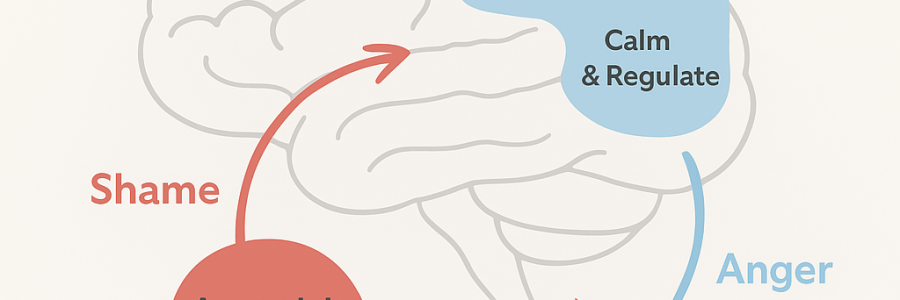
💙 — deep shame and unresolved anger in adulthood often trace back to early attachment issues. Neuroscience shows that the first years of life are when the brain’s relational blueprint is formed, and if a child’s caregivers are inconsistent, neglectful, frightening, or rejecting, those early experiences can wire the brain for mistrust, self-blame, and dysregulated emotions. Let… Read More 🔬 How Attachment Issues Lead to Shame & Anger in Adults
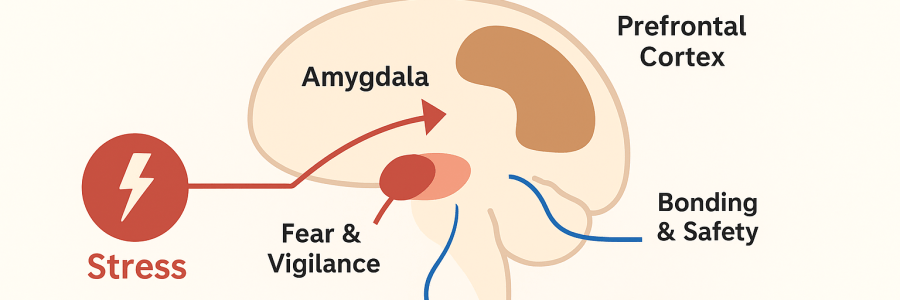
1. Attachment is Biological, Not Just Emotional

💙 — when a baby is separated from their birth mother (whether due to maternal health issues, hospitalization, or adoption), it can have profound effects on early attachment, because the brain is wired to expect continuous, responsive caregiving in those first weeks and months. Let me explain from a neuroscience and psychological perspective: 🧠 What… Read More 1. Attachment is Biological, Not Just Emotional

🔬 Early Attachment from a Neuroscience Perspective

Early attachment issues are one of the most important areas where neuroscience and psychology meet, because the way a child bonds (or struggles to bond) with caregivers literally wires their brain. Let me unpack this in a neuroscience-based way: 🔬 Early Attachment from a Neuroscience Perspective 1. The Brain’s “Attachment Circuitry” Amygdala: The brain’s alarm system.… Read More 🔬 Early Attachment from a Neuroscience Perspective

💡 Healing Early Attachment Wounds

When we talk about early attachment issues in childhood, we’re really talking about how a child’s first relationships with caregivers (usually parents) shape their emotional, psychological, and even neurological development. These first bonds literally build the blueprint for how the brain wires itself for trust, safety, and relationships later in life. Here’s a warm but deep… Read More 💡 Healing Early Attachment Wounds

🧠 Why Some People Tear Down What Attracts Them: The Neuroscience Behind Insecurity

It’s common to notice that people are initially drawn to confidence, vibrancy, and authenticity. These qualities shine—they light up a room and make others feel alive. But for some, that same light can trigger insecurity, jealousy, or fear, leading them to put you down in an attempt to make you small. 1. The Mirror of Insecurity… Read More 🧠 Why Some People Tear Down What Attracts Them: The Neuroscience Behind Insecurity

🌹 The True Meaning of “Class”

When people call you classy, they aren’t just noticing your style. They’re recognizing a set of qualities that reflect inner strength and integrity. 1. Grace Under Pressure Psychologically, “class” often means you handle life’s challenges with dignity. Even when you’ve been through pain or trauma, you don’t let bitterness define you. Neuroscience shows that resilience—the brain’s ability… Read More 🌹 The True Meaning of “Class”

Believing in Yourself Again: The Neuroscience of Reclaiming Worth

After years of being told cruel, diminishing things, genuine compliments can feel almost unbelievable at first. But the fact that multiple people are reflecting back “class,” confidence, and dignity shows how powerfully your inner healing is shining outward. Believing in Yourself Again: The Neuroscience of Reclaiming Worth When someone has spent years in an abusive environment, their… Read More Believing in Yourself Again: The Neuroscience of Reclaiming Worth

Coming Back to Life: The Neuroscience of Healing After Abuse

After months of isolation and abuse, stepping back into the world of friends, family, and community can feel like a rebirth. People often notice the change before you do—they comment on how much more relaxed you seem, how your face looks younger, how you carry yourself differently, and how your old confidence shines through. From… Read More Coming Back to Life: The Neuroscience of Healing After Abuse

Why some abusers claim mental illness as a defense

Abusers sometimes argue that their behavior was “out of their control” due to a psychiatric disorder. The reasons include: Diminished responsibility defense: They hope the court will see them as less culpable because of a mental disorder. Stigma and manipulation: Claiming illness can create sympathy or reduce public outrage. Avoiding consequences: If successful, they might… Read More Why some abusers claim mental illness as a defense

Impulse Control and Prefrontal Cortex Dysfunction

Understanding the mind of a sexual abuser from a neuroscience and psychological perspective is complex, because it involves biological, developmental, and social factors. While every individual is different, research does provide some insight into patterns of thought, brain functioning, and emotional regulation that are often observed in perpetrators. 1. Impulse Control and Prefrontal Cortex Dysfunction The prefrontal cortex is… Read More Impulse Control and Prefrontal Cortex Dysfunction