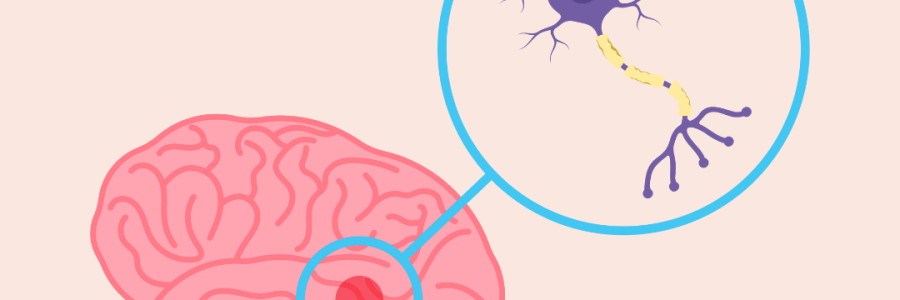
Dopamine

Dopamine is another neurotransmitter in the brain that plays a crucial role in several important functions. It is involved in the brain’s reward and pleasure pathways, as well as in regulating movement, motivation, mood, attention, and cognitive processes. Dopamine is produced in several regions of the brain, including the substantia nigra and the ventral tegmental… Read More Dopamine

Cortisol

Cortisol is a steroid hormone that belongs to the glucocorticoid class of hormones. It is produced by the adrenal glands, which are located on top of the kidneys. Cortisol plays a vital role in the body’s stress response and helps regulate a wide range of physiological processes. Here are some key functions and effects of… Read More Cortisol

PSSD from psychiatric medication

Post-SSRI Sexual Dysfunction (PSSD) is a term used to describe a condition where individuals experience persistent sexual side effects after discontinuing the use of selective serotonin reuptake inhibitors (SSRIs) or other psychiatric medications that affect serotonin levels. SSRIs are commonly prescribed for the treatment of various mental health conditions such as depression, anxiety, and obsessive-compulsive… Read More PSSD from psychiatric medication

Brain Regions

The amygdala and insula are two important brain regions involved in processing emotions and facial expressions. The amygdala plays a crucial role in the processing of emotions, particularly fear and threat-related stimuli. It helps in evaluating the emotional significance of various sensory inputs, including facial expressions, and can trigger appropriate emotional responses. The insula, on… Read More Brain Regions

Lead by example

Leading by example is a powerful way to influence others and inspire change. When you embody the values, behaviors, and beliefs you wish to promote, you provide a tangible model for others to follow. Here’s how you can effectively lead by example: Consistency: Consistently demonstrate the values and behaviors you want others to adopt. Be… Read More Lead by example

Critical Thinking

Critical thinking is the process of objectively analyzing and evaluating information, ideas, or arguments to form reasoned judgments or make informed decisions. It involves the ability to think independently, question assumptions, examine evidence, consider alternative perspectives, and apply logical reasoning. Here are some key aspects of critical thinking: Questioning and inquiry: Critical thinkers ask probing… Read More Critical Thinking

What is Authenticity?

Authenticity refers to the quality of being genuine, real, and true to oneself. It involves embracing and expressing one’s true thoughts, emotions, values, beliefs, and identity without pretending or putting on a facade to please others or conform to societal expectations. Authenticity is about being honest with oneself and others, aligning one’s actions and behaviors… Read More What is Authenticity?

Non-judgmental

Being non-judgmental is an important aspect of providing support and maintaining healthy relationships. Here are some key principles to keep in mind: Open-mindedness: Approach situations with an open mind, recognizing that everyone has their own unique experiences, perspectives, and circumstances. Avoid jumping to conclusions or making assumptions. Empathy and understanding: Seek to understand the emotions… Read More Non-judgmental

Support

Supporting friends and family to stay positive can be a meaningful and impactful way to help them through challenging times. Here are some suggestions: Active listening: Be there to listen attentively when they need to talk. Show empathy and validate their feelings without judgment. Sometimes, people just need someone to vent their frustrations or fears… Read More Support

Entitled behaviour

Entitled behavior refers to an attitude or belief that one deserves special privileges, treatment, or recognition without necessarily having earned or worked for them. It is characterized by a sense of entitlement, where individuals believe they are inherently deserving of certain benefits or advantages solely based on their perceived status, position, or personal qualities. People… Read More Entitled behaviour