One-sided or exploitative relationships
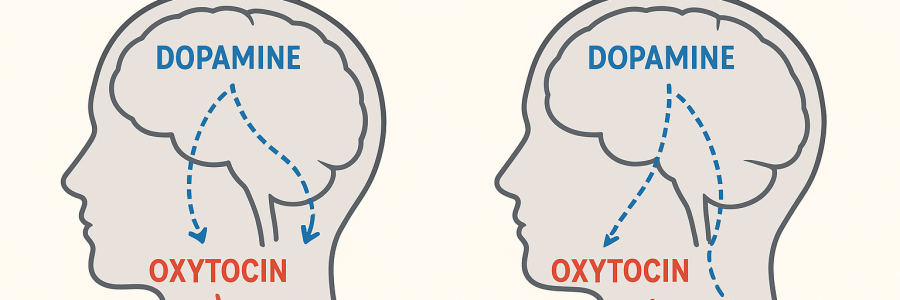
A classic pattern of one-sided or exploitative relationships, and both psychology and neuroscience give powerful insight into why these dynamics feel so draining and confusing. Here’s a breakdown that connects behaviour, brain science, and emotional impact 👇 ⚖️ 1. The Psychology of One-Sided Relationships People who make everything about what you can do for them often show traits linked to narcissistic or emotionally avoidant patterns:… Read More One-sided or exploitative relationships
💭 “You Don’t Miss What You Never Had”

The Psychology and Neuroscience of Absence, Longing, and Emotional Imprinting We often hear the phrase “you don’t miss what you never had” — and on the surface, it sounds simple.But in psychological and neurological terms, this truth carries layers of meaning about attachment, emotional learning, and the brain’s relationship with experience. 🧠 The Brain Only Grieves What It… Read More 💭 “You Don’t Miss What You Never Had”

🧠 When You Know What You Don’t Want:

The Neuroscience of Rebuilding Direction and Desire There comes a time when you’re certain of what no longer fits — relationships, environments, or versions of yourself that feel constraining — yet you’re not quite sure what comes next.That in-between space can feel confusing or even empty. But from a psychological and neuroscientific perspective, it’s one… Read More 🧠 When You Know What You Don’t Want:

🧠 Maintaining Your Lifestyle Without Compromising Your Self-Worth

The Psychology of Standards, Identity, and Financial Control There’s a profound difference between being spoilt and being cultured in quality.Some of us were raised to appreciate the finer things — not as excess, but as expressions of care, beauty, and dignity. When you grow up with standards, you’re not demanding; you’re maintaining a learned sense of what feels… Read More 🧠 Maintaining Your Lifestyle Without Compromising Your Self-Worth

Tactical Guide: Presenting a Psychologist’s Report in Court

1️⃣ Structure the Report Clearly Executive Summary: Start with a short, neutral summary of the findings — objective and fact-based. Background: Include context: who was assessed, dates, sessions attended, and purpose of the evaluation. Methods: Clearly describe clinical tools, assessments, and observations used (standardized tests, structured interviews, behavioral observations). Findings: Stick to observable behaviors and measurable outcomes, not subjective opinions or labels.… Read More Tactical Guide: Presenting a Psychologist’s Report in Court

Friendship

Friendship, in its broadest sense, is a voluntary, reciprocal relationship based on trust, affection, shared interests, and mutual support. When we consider friendship between a man and a woman, both neuroscience and psychology provide insights into its nature, dynamics, and unique aspects. Let’s break it down carefully. 1. Psychological Perspective Core elements of friendship: Trust and… Read More Friendship

🌿 One Year of Growth: The Neuroscience of Becoming Yourself Again

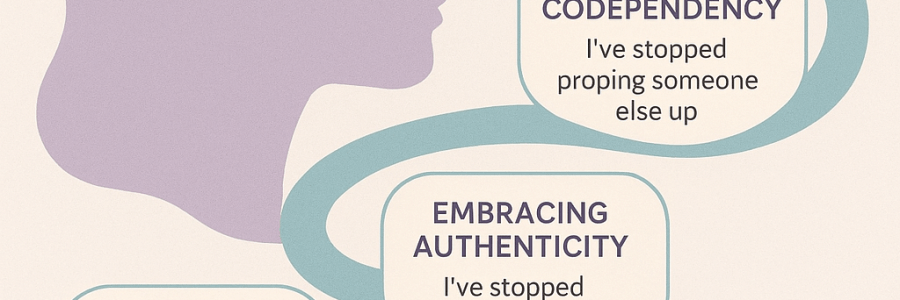
One year can change everything. Over the past twelve months, I’ve learned more about myself than in a lifetime. I’ve discovered strength I didn’t know I had — not the kind that hides behind a smile, but the quiet resilience that grows from truth, healing, and self-compassion. For years, I was the crutch for others,… Read More 🌿 One Year of Growth: The Neuroscience of Becoming Yourself Again

“One year of your life can make so much difference.”

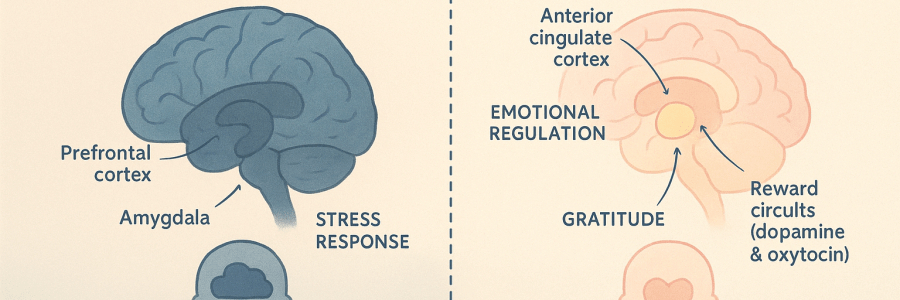
🧠 The Neuroscience and Psychology of One Year of Growth “One year of your life can make so much difference.”When you consciously choose healing, your brain’s neuroplasticity — its ability to rewire — begins to reshape how you think, feel, and relate. Every moment of self-reflection builds new neural connections for insight and self-compassion. 1. Self-Awareness: Seeing Yourself from… Read More “One year of your life can make so much difference.”

🧠 1. The neuroscience of denial: fear and self-protection

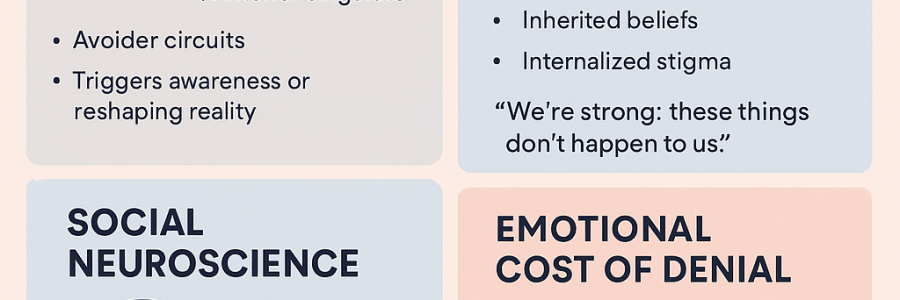
Denial is not just psychological — it’s neurobiological.When the brain encounters something threatening to identity, reputation, or emotional safety, the amygdala (fear center) and anterior cingulate cortex (conflict detector) activate.This triggers avoidance circuits — the brain unconsciously blocks awareness or reshapes reality to reduce emotional pain. In other words: “If I don’t admit it, I don’t have to feel it.” The brain… Read More 🧠 1. The neuroscience of denial: fear and self-protection