The Neurophysiology of Trauma
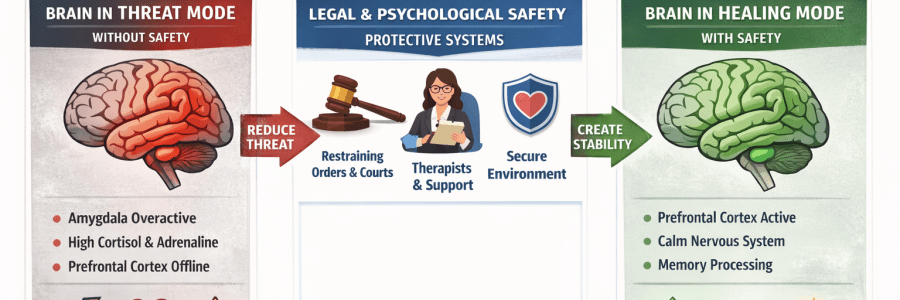
Trauma is not just psychological—it physically changes the brain and body. Key Brain Structures Involved Structure Role in Trauma Amygdala Detects threats; hyperactive in trauma → fear, hypervigilance, emotional reactivity Hippocampus Contextualizes memories; trauma can reduce volume → fragmented, intrusive memories Prefrontal Cortex (PFC) Executive function, emotional regulation; trauma → impaired top-down control Anterior Cingulate Cortex… Read More The Neurophysiology of Trauma

HRV Biofeedback Cheat Sheet for Self-Regulation

1. Tools You’ll Need Tool Purpose Tips Chest strap HR monitor (Polar H10, Wahoo, Garmin) Most accurate HRV measurement Comfortable, wear snug but not tight Smartwatch or ring (Apple Watch, Oura, Garmin) Convenient HRV tracking Best for daily trends, not precise metrics HRV Biofeedback app (Elite HRV, Inner Balance, HeartMath, Kubios) Real-time feedback & guided… Read More HRV Biofeedback Cheat Sheet for Self-Regulation

Regulate, Repair, and stay Resilient.

Staying physically and mentally healthy is a cornerstone of trauma recovery. Recovery isn’t just emotional; the body and mind need support to regulate, repair, and stay resilient. Here’s a structured approach for maintaining wellness during recovery: 1. Medical Health Regular check-ups keep you grounded and prevent neglect of your body: Hospital / GP visits: Annual or as advised… Read More Regulate, Repair, and stay Resilient.

Memory & Trauma Processing

Alcohol can have a profound and often counterproductive impact on trauma recovery, both neurologically and psychologically. Here’s a detailed breakdown: 1. Nervous System Impact Trauma leaves the nervous system hypervigilant. Alcohol: Initially may feel calming or numbing. This is why many people self-medicate with alcohol. GABA modulation reduces inhibition → risky behaviors, impulsivity. Withdrawal and hangovers activate stress… Read More Memory & Trauma Processing

What “messing up” in trauma really is

When you’re traumatised, your nervous system is not choosing behaviour — it’s protecting you. So what looks like “wrecking the relationship” is often: reacting instead of responding pulling away suddenly or clinging too tightly misreading neutral signals as rejection needing reassurance but not knowing how to ask safely shutting down or becoming overwhelmed testing closeness to… Read More What “messing up” in trauma really is

Mind and Body

Meeting someone new while you’re still in trauma doesn’t mean you’re “doing it wrong” — but it does shape the relationship in very specific ways, whether people realise it or not. Let’s break it down gently and honestly. What trauma does to connection (even with good people) When you’re still in trauma recovery, your nervous system… Read More Mind and Body

Body and mind are often in a chronic survival state

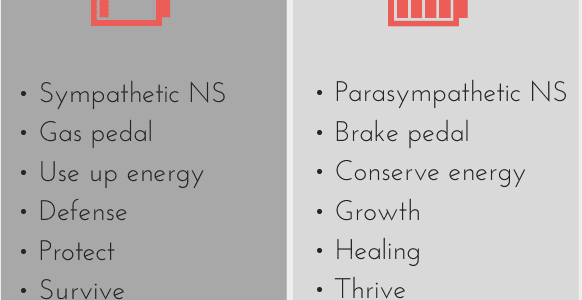
After decades of abuse, the body and mind are often in a chronic survival state, even long after the relationship ends. This isn’t a flaw — it’s the nervous system doing exactly what it was built to do: protect you from ongoing threat. Understanding this helps identify which situations to avoid while rebuilding safety and autonomy. 1.… Read More Body and mind are often in a chronic survival state

The Exact Internal Moment When Strength Reclaims Itself

This is often subtle and gradual, not dramatic. Neuroscience + psychology line up here: Signal What’s Happening Internally Outcome Sudden clarity Prefrontal cortex takes control over amygdala-driven fear loops Realisation: I don’t have to negotiate my worth anymore Shift from hope to self-interest Dopamine cravings from intermittent reinforcement fade Attachment energy is redirected internally Internal boundary… Read More The Exact Internal Moment When Strength Reclaims Itself

Personality traits most likely to target strong women

These traits cluster together. You rarely see just one. 🔻 Core targeting traits (They are not always obvious at first.) EntitlementBelief that they deserve access to someone else’s energy, care, status, or resources. Insecure identityWeak internal self → needs an external stabiliser (you). Image-dependenceCares deeply how they appear, not how they behave privately. Low distress toleranceCannot self-soothe,… Read More Personality traits most likely to target strong women