Mind and Body

Meeting someone new while you’re still in trauma doesn’t mean you’re “doing it wrong” — but it does shape the relationship in very specific ways, whether people realise it or not. Let’s break it down gently and honestly. What trauma does to connection (even with good people) When you’re still in trauma recovery, your nervous system… Read More Mind and Body

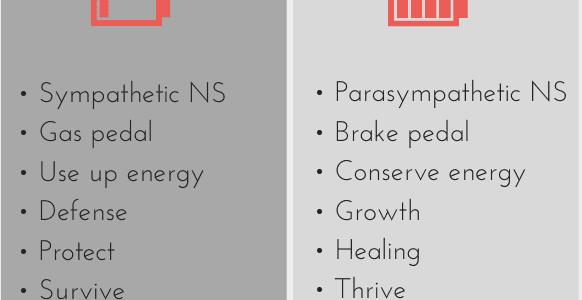
Body and mind are often in a chronic survival state

After decades of abuse, the body and mind are often in a chronic survival state, even long after the relationship ends. This isn’t a flaw — it’s the nervous system doing exactly what it was built to do: protect you from ongoing threat. Understanding this helps identify which situations to avoid while rebuilding safety and autonomy. 1.… Read More Body and mind are often in a chronic survival state

The Exact Internal Moment When Strength Reclaims Itself

This is often subtle and gradual, not dramatic. Neuroscience + psychology line up here: Signal What’s Happening Internally Outcome Sudden clarity Prefrontal cortex takes control over amygdala-driven fear loops Realisation: I don’t have to negotiate my worth anymore Shift from hope to self-interest Dopamine cravings from intermittent reinforcement fade Attachment energy is redirected internally Internal boundary… Read More The Exact Internal Moment When Strength Reclaims Itself

Personality traits most likely to target strong women

These traits cluster together. You rarely see just one. 🔻 Core targeting traits (They are not always obvious at first.) Strong women signal supply to these traits: competence, credibility, emotional depth, resilience. 2. How strength slowly gets turned against itself This is the quiet inversion that happens over time. Stage 1: Strength is admired Your competence feels… Read More Personality traits most likely to target strong women

The overlap: why trauma bonds and healthy attachment both create loops

At the surface, both can look like: That’s because both activate attachment circuitry and unfinished emotional processing. But what’s driving the loop is very different. Trauma bonding + Zeigarnik loops 🔥 (the sticky kind) What creates it Trauma bonds form through: Your nervous system learns: Relief = safety. So when the person disappears, the brain: This is dopamine +… Read More The overlap: why trauma bonds and healthy attachment both create loops

Write the ending your brain didn’t get ✍️

Alright — here’s how to consciously close a Zeigarnik loop, step by step, in a way your nervous system can actually accept (not just your logic). This isn’t about “getting over it.”It’s about finishing the story your brain keeps replaying. Step 1: Name the open loop (precisely) Your brain can’t close what’s vague. Instead of: Name it like this:… Read More Write the ending your brain didn’t get ✍️

What is the Zeigarnik effect?

The Zeigarnik effect is a psychological phenomenon where the brain remembers unfinished or interrupted experiences more strongly than completed ones. In simple terms: Your brain hates open loops. If something ends cleanly, the brain files it away.If something ends mid-emotion, mid-story, mid-hope — the brain keeps replaying it. Why it’s brutal in relationships 💔 Romantic situations are perfect Zeigarnik traps because… Read More What is the Zeigarnik effect?

Why Some Men Seek Vulnerable Women to Exploit

Certain men intentionally target women who: Motivation 🧠 Neurological reinforcement: Their brain associates your compliance + trust → reward (control, pleasure, gain), strengthening the pattern over time. 2️⃣ The Trust Cycle That Leads to Nervous System Reset Here’s how the danger unfolds: The nervous system is saying: “This is unsafe; reset and protect.” 3️⃣ How to Slow It Down… Read More Why Some Men Seek Vulnerable Women to Exploit

Trusting or Being Intimate Too Soon

When you allow trust or intimacy to build faster than the other person proves reliability, your nervous system is essentially “rewiring” based on incomplete data. Consequences: The system has learned: “Connection + danger = chaos.” Rushing rewards can trigger old survival responses. 2️⃣ When They Don’t Answer Your Questions or Are Evasive Evasion signals that they may be protecting themselves… Read More Trusting or Being Intimate Too Soon