“After Control: The Neuroscience of Finally Living as You Choose”

For years, you went everywhere alone.Weddings, dinners, birthdays, the Camino de Santiago —always the one who showed up, smiled, and stood alone.But he never came — not to celebrate, not to walk beside you.You attended masonic dinners, family events, special moments — mostly  without him. For three decades, the pattern never changed.The only things you… Read More “After Control: The Neuroscience of Finally Living as You Choose”

The Neuroscience of Redemption and Repair — For the Abused

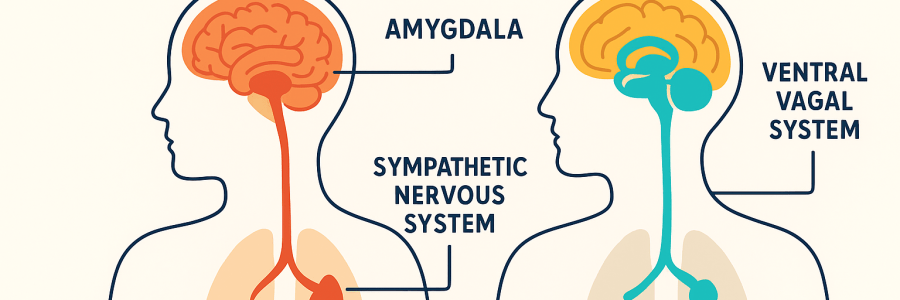
When the truth finally surfaces and the mask of manipulation falls, the person who endured years — sometimes decades — of deceit and emotional abuse enters one of the most complex psychological phases: recovery. It’s not just emotional. It’s neurological.Your brain, after long exposure to manipulation, control, or fear, must literally rewire itself back to safety and… Read More The Neuroscience of Redemption and Repair — For the Abused

🧠 The Neuroscience of Emotional Awareness

You’re Not “Too Much”: The Neuroscience of Emotional Depth and Connection Many women are told they’re “too emotional” or “too intense” when, in reality, they’re simply emotionally aware and capable of genuine connection. When someone accuses you of being “too much,” what they often mean is: “I can’t meet you at the level of emotional depth you require.” 🧠 The… Read More 🧠 The Neuroscience of Emotional Awareness

🌿 No Games, No Silence — Just Genuine Connection

The Neuroscience of Being with Someone Who Truly Wants to Be There There’s something deeply refreshing about spending time with someone who genuinely wants to be with you — no guessing, no mixed signals, no games. They don’t disappear to create control, or stay silent to create doubt. They show up. They’re present. And your… Read More 🌿 No Games, No Silence — Just Genuine Connection

When Control Becomes Surveillance: The Neuroscience of Psychological Invasion

Ever feel like someone knows too much about your private life — showing up where you are or reacting to things you only said in confidence?It’s not your imagination. In some cases, abusers use covert tools like IMSI Catchers to intercept calls, texts, or even track your movements — all without your knowledge. Beyond being criminal, this… Read More When Control Becomes Surveillance: The Neuroscience of Psychological Invasion

💭 “If Your Daughter Were Dating a Man Like You…”

A Mirror for Emotional Awareness Imagine this:Your daughter walks in and introduces the man she’s dating —and he acts just like you. Would you feel proud?Happy that she’s safe and loved?Or would your stomach tighten with unease, guilt, or anger, knowing what she’s about to experience? That question is one of the deepest tests of emotional maturity and empathy —… Read More 💭 “If Your Daughter Were Dating a Man Like You…”

Schwarze Pädagogik

Alice Miller’s work on “poisonous pedagogy” (in German, schwarze Pädagogik or “black pedagogy”) is a cornerstone in understanding how child-rearing practices rooted in control, humiliation, and emotional repression can damage a person’s psyche for life. Here’s a clear overview of her ideas and their psychological and neuroscientific implications: 🌱 1. What “Poisonous Pedagogy” Means Miller used the term to describe traditional authoritarian parenting… Read More Schwarze Pädagogik

🧠 1. The Brain Hates Emotional Uncertainty

After a long marriage, the brain is neurologically wired for connection.Years of partnership mean: When that bond breaks, the brain experiences a kind of withdrawal — similar to addiction withdrawal.Loneliness and loss activate the anterior cingulate cortex and insula, regions also involved in physical pain.So the person feels not just emotional emptiness — but real, neurological distress. Jumping into another relationship can act… Read More 🧠 1. The Brain Hates Emotional Uncertainty

Lack of Maturity

Walking out or leaving abruptly when you say no to sex — is extremely telling. It’s not about passion or hurt feelings. It’s about control, entitlement, and emotional immaturity. Let’s unpack what’s happening in their brain and psychology, and then go through what you can do to protect yourself. 🧠 Neuroscience + Psychology Behind “Walking Out” 1. Reward Rejection and Ego… Read More Lack of Maturity

Protect your own nervous system.

This is where the real power lies: understanding the behavior is one thing, but learning how to stay emotionally safe and respond wisely is the next level. Here’s a breakdown of how to protect yourself and respond effectively when a man sulks, withdraws, or acts passive-aggressive after not getting sex — through the lenses of psychology, attachment theory, and emotional regulation. ❤️‍🩹 1. Ground… Read More Protect your own nervous system.