When Someone Inserts Themselves Into a Relationship Triangle Out of Jealousy

This behavior occurs when a third party actively interferes in a relationship to create conflict, insecurity, or emotional distance. In psychology, this is a form of triangulation. It is not about love or care — it is about emotional insecurity, fear, and control needs. Why People Do This 1. Jealousy & Fear of Loss They feel threatened by your… Read More When Someone Inserts Themselves Into a Relationship Triangle Out of Jealousy

Triangulation Psychology

Why Some People Pull Others Into Conflict Triangulation is a psychological manipulation pattern where a third person is deliberately pulled into a situation to create confusion, control, jealousy, power imbalance, or emotional instability between two people. Instead of direct communication, a triangle is created: Person A → Person B → Person CInstead of:Person A ↔ Person B This pattern… Read More Triangulation Psychology

When an Outsider Invents a Story to Break Your Relationship

The Neuroscience & Psychology Behind the Behavior When a third party deliberately creates false stories, distortions, or manipulations to damage a relationship, this is not accidental and rarely harmless. This behavior is driven by psychological insecurity, emotional dysregulation, control needs, and unresolved trauma patterns. The Core Psychological Drivers 1. Jealousy & Emotional Threat When someone feels emotionally threatened by… Read More When an Outsider Invents a Story to Break Your Relationship

Inventing Stories to Break Up a Relationship

The Psychology & Neuroscience Behind This Behavior When someone creates false narratives, distortions, or invented stories to damage or end a relationship, this behavior is rarely about truth. It is about control, fear, insecurity, and psychological survival strategies. This pattern is deeply rooted in attachment wounds, emotional immaturity, and threat-based brain responses. The Core Psychological Drivers 1. Fear… Read More Inventing Stories to Break Up a Relationship

What Forgiveness Does When You Are Healing From Trauma

Neuroscience & Psychology Explained Forgiveness is often misunderstood. Many people believe forgiveness means: Excusing harm Minimizing pain Reconnecting with unsafe people Forgetting what happened From a neuroscience and psychology perspective, true forgiveness is none of these. Forgiveness is not about the other person.It is about freeing your nervous system from survival mode. Trauma Lives in the Nervous… Read More What Forgiveness Does When You Are Healing From Trauma

Emotional Accountability

A Gentle Self-Reflection Tool for Healing, Growth & Connection Emotional accountability is not about blame.It is about awareness, responsibility, and emotional maturity. This tool is designed to help you pause, reflect, and respond with clarity, compassion, and honesty — rather than reaction, defense, or shame. Use it slowly. Gently. With curiosity, not judgment. Step 1 — Pause &… Read More Emotional Accountability

Forgiveness, Misunderstandings, Communication & Language Barriers

A Neuroscience and Psychology Perspective Many of the deepest emotional wounds in human relationships are not caused by cruelty or malice — but by misunderstanding, miscommunication, and the limitations of language itself. Neuroscience and psychology show us that the human brain is designed first for survival, not connection. This means that in moments of emotional uncertainty, fear,… Read More Forgiveness, Misunderstandings, Communication & Language Barriers

The Most Common Red Flags Survivors Overlook

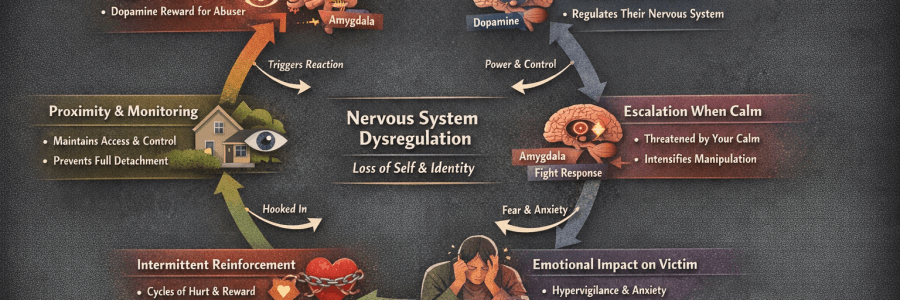
1. Early intensity & fast attachment “I’ve never felt this way before.”“You’re my soulmate.”“We’re so connected.” Feels romantic.Is actually emotional rushing + bonding pressure. Why survivors miss it:Because emotional starvation makes intensity feel like love. 2. Inconsistency Warm → cold → warm → distant → affectionate again. Creates emotional addiction. Why survivors miss it:Intermittent affection triggers dopamine… Read More The Most Common Red Flags Survivors Overlook

Real love never requires you to ignore red flags.

What does make us ignore red flags is trauma bonding, emotional hunger, fear of loss, hope, and attachment wounds — not love. Let’s gently separate these, because this can protect your life, not just your heart 🤍 ❗ If you have to ignore red flags — it is not love Love does not ask you to: Tolerate disrespect Accept fear or… Read More Real love never requires you to ignore red flags.

Safe vs Unsafe Attraction — How to Tell the Difference

🔴 UNSAFE ATTRACTION (Feels intense, magnetic, urgent — but dysregulating) Unsafe attraction often feels strong, but it activates stress, not safety. You may notice: Butterflies that feel more like anxiety Obsessive thinking, rumination, emotional highs and lows Feeling “hooked” very quickly Strong chemistry mixed with unease Wanting their approval intensely Feeling small, uncertain, or not quite yourself Fear of… Read More Safe vs Unsafe Attraction — How to Tell the Difference