Complex PTSD (C-PTSD)

Deeper Self-Reflection Quiz This guide explores patterns linked to prolonged relational trauma, coercive control, emotional neglect, or chronic instability. Rate each statement: 0 = Never1 = Sometimes2 = Often3 = Almost Always 🧠 Section 1: Emotional Regulation My emotions feel overwhelming or difficult to control. I shift between emotional flooding and emotional numbness. I struggle… Read More Complex PTSD (C-PTSD)

Shall I Heal?

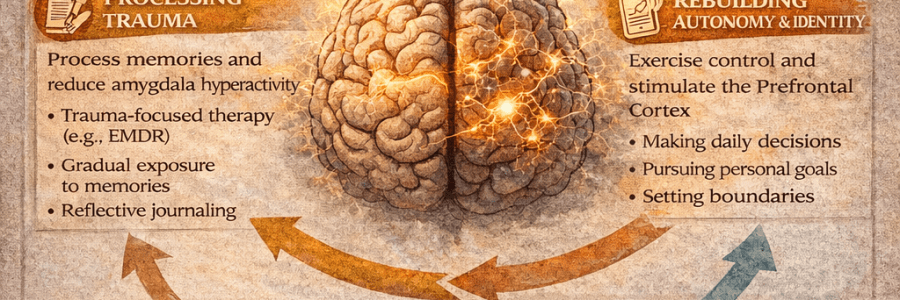
The Neuroscience of Deciding to Move On From Trauma There comes a quiet moment after survival. A moment where the chaos has settled just enough for a question to surface: “Am I ready to heal?”“Shall I… or shall I not?” Wanting to move on doesn’t mean you’re ready.And not feeling ready doesn’t mean you’re weak.… Read More Shall I Heal?

Psychological Profile of Covert Financial Abuse

How Control, Power, and Image Replace Love, Responsibility, and Care What Is Covert Financial Abuse? Covert financial abuse is a hidden form of coercive control in which one partner strategically withholds, manipulates, or distorts money and resources to maintain dominance, dependency, and psychological power — while simultaneously appearing generous, responsible, or struggling to outsiders. Unlike overt financial abuse, covert financial abuse is subtle, deniable,… Read More Psychological Profile of Covert Financial Abuse

The Psychological Stages of Long-Term Deception

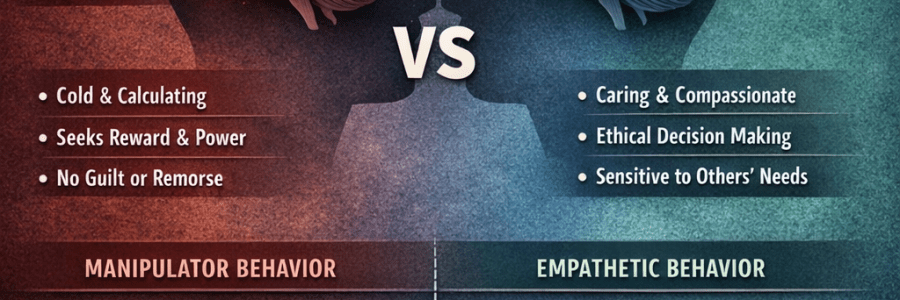
(How Manipulative Relationships Actually Unfold) This pattern is remarkably consistent across narcissistic, antisocial, psychopathic, and chronic deceiver profiles. Understanding these stages helps survivors: Make sense of what happened Release self-blame Recognise danger early in future connections 🟢 STAGE 1 — TARGETING & ASSESSMENT “Who is useful to me?” Before emotional involvement begins, the deceiver unconsciously (or consciously)… Read More The Psychological Stages of Long-Term Deception

Online Dating & New Relationship Red Flags

What to Look For (Early Detection Guide) 1. Relationship History Be cautious if someone: Avoids discussing past relationships entirely Describes every ex as “crazy,” abusive, or toxic Has many short, intense relationships Claims all breakups were due to betrayal or victimisation 👉 Pattern matters more than isolated events. 2. Timeline Inconsistencies Watch for: Changing stories about where they lived,… Read More Online Dating & New Relationship Red Flags

Forgiving an abuser while abuse is ongoing or unaccounted for is neurologically and psychologically impossible.

Forgiveness after abuse is not the same as forgiving a minor wrongdoing, and neuroscience and psychology explain why it’s often extremely difficult—sometimes impossible—without safety, repair, or accountability. Let’s break it down carefully. 🧠 Neuroscience & Psychology Behind Forgiving an Abuser 1️⃣ Trauma Hijacks the Brain Amygdala (fear center): Abuse sensitizes the amygdala. When the abuser is remembered, your brain reacts… Read More Forgiving an abuser while abuse is ongoing or unaccounted for is neurologically and psychologically impossible.