Therapy for Men


In my work with couples, one pattern becomes very clear over time: the outcome of a separation or reconciliation is rarely determined by the relationship ending itself—but by how people behave during that process. When couples reach a turning point, there are usually three broad paths I see unfold. 1. When Respect Remains Intact Some couples manage… Read More Couples Therapy, Separation, and What Really Determines the Outcome
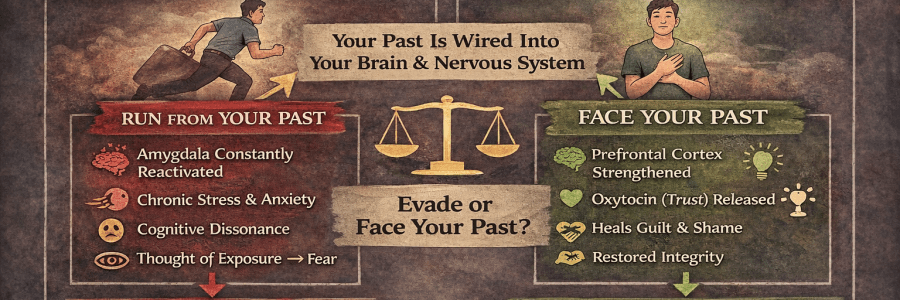
Reaching a settlement of the bare minimum I am legally entitled to—no surprise there. After 32 years, I didn’t expect anything more. Legally, it may be 50%.But law and lived experience are not the same thing. Power, control, and imbalance shape what people walk away with in reality—not just paperwork. After a lifetime, what you… Read More Taking your life back

Bare minimum.That’s what it was after 32 years—and that’s what it stayed. No shock there. But this was never about money. It was about getting out.About surviving something that slowly takes pieces of you.About choosing freedom even when it costs you everything familiar. The milestones aren’t loud.They’re in the quiet moments—when your head finally feels… Read More Bare minimum

🟣 “No és no” Campaign (It means No) Widely used across Comunitat Valenciana festivals and nightlife Targets sexual harassment and assault, especially in social settings Local fiestas Bars, clubs, summer events 👉 Focus: consent, bystander awareness, immediate reporting 🟪 Puntos Violeta (Purple Points) Set up in towns across Alicante Province and Valencia Get help Report harassment Access support services 👉 Often present… Read More Valencian Community (Comunitat Valenciana)

But this isn’t happening somewhere else.It’s happening here. In our towns. In our communities. Across the Costa Blanca, there are “Puntos Violeta” at events.Posters that say “No és no.”Safe spaces in bars and shops.Campaigns in schools teaching young people about respect and control. These things exist for a reason. Because harassment is happening in nightlife.Because coercion… Read More We talk about rising abuse.We see the headlines.We read the reports.

There are quite a few campaigns and initiatives happening in Spain right now around violence against women and girls—some long-standing, some evolving with new risks (like digital abuse). Here’s a clear overview of the main ones so you can see the landscape: 🇪🇸 Current & Ongoing Campaigns in Spain 🔴 “Saca tarjeta roja al maltratador” (Show the red card… Read More 🇪🇸 Current & Ongoing Campaigns in Spain

Recent reports have highlighted a deeply concerning reality: in some cases, the impact of domestic abuse is so severe that victims take their own lives. This is not a separate issue from abuse.It is part of it. When a person is subjected to sustained fear, control, psychological harm, and isolation, the damage is not always… Read More When Abuse Doesn’t End in Visible Violence: The Hidden Cost of Coercion and Control
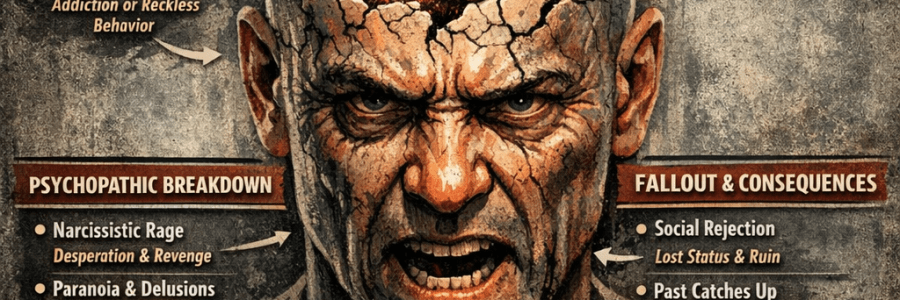
1. Make the decision harder to undo Don’t rely on willpower alone—use structure. Block / mute / restrict access where possible Delete chat threads or archive them out of sight Remove shortcuts to their profiles or contact points Reduce “easy access” pathways (this is key) 🧠 If contact is effortless, relapse is more likely. 2. Write… Read More No-Contact Relapse Prevention Plan
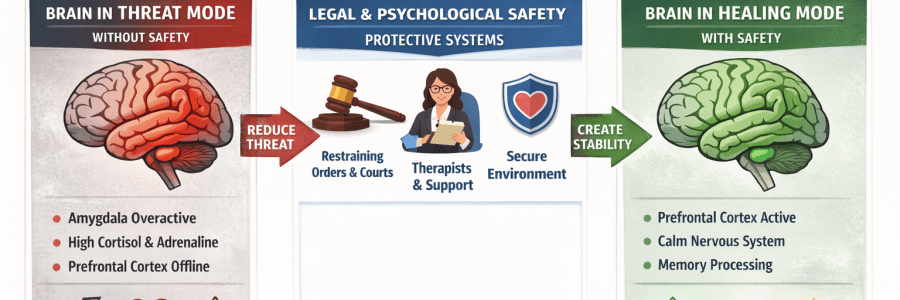
1. Pause the impulse (do not act immediately) Urges feel urgent—but they peak and pass like a wave. Don’t message them Don’t check their social media Don’t make decisions in the spike 🧠 Rule: If it’s intense, it’s not the time to act. 2. Name what’s actually happening Say (out loud if possible): “This is an… Read More Emergency Survival Guide: When You Feel the Urge to Go Back

