“Embracing Wellness: The Transformative Power of Therapy”

Therapy is a valuable resource that can offer numerous benefits for your mental and emotional well-being. Here are some compelling reasons why considering therapy can be incredibly beneficial: 1. Emotional Support: Therapy provides a safe and supportive environment where you can express yourself freely without judgment. It’s a space to explore your thoughts, feelings, and… Read More “Embracing Wellness: The Transformative Power of Therapy”

“When to Consider Therapy: Navigating the Path to Mental Wellness”

Life is a beautiful journey, but it’s not without its challenges. At times, these challenges might become overwhelming, leaving us feeling lost, anxious, or unable to cope. In these moments, seeking professional help through therapy can be an invaluable resource on the path to healing and growth. 1. Persistent Feelings of Distress: If you find… Read More “When to Consider Therapy: Navigating the Path to Mental Wellness”

Brain Regions

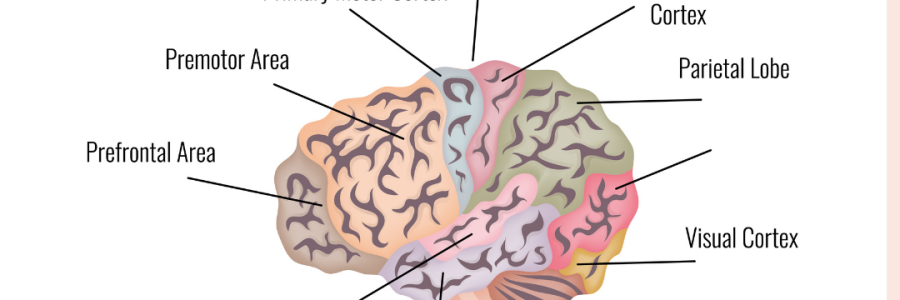
The brain is an incredibly complex organ composed of various interconnected regions, each responsible for specific functions. Here’s an overview of some key brain regions and their primary functions: 1. Cerebrum: Cerebral Cortex: This outer layer is involved in higher cognitive functions such as perception, thinking, and decision-making. Frontal Lobe: Responsible for executive functions, reasoning,… Read More Brain Regions

“Understanding Self-Harm: Types and Therapeutic Pathways Towards Healing”

Self-harm is a complex and deeply personal experience that can manifest in various forms. Understanding these different types of self-harm and the therapies available to help is crucial in offering effective support and healing. Types of Self-Harm: Cutting or Self-Injury: This involves intentionally cutting, scratching, or injuring one’s body to cope with emotional pain or… Read More “Understanding Self-Harm: Types and Therapeutic Pathways Towards Healing”

The Harms of Conversion Therapy: Understanding its Impact on Mental Health

Conversion therapy, an umbrella term for practices attempting to change an individual’s sexual orientation or gender identity, has long been a contentious issue. It’s crucial to recognize that this practice is not based on scientific evidence and often inflicts deep emotional and psychological wounds on those subjected to it. Research consistently highlights the grave consequences… Read More The Harms of Conversion Therapy: Understanding its Impact on Mental Health

Navigating Social Media Communication: The Etiquette of Responsiveness

In the digital age, social media has transformed the way we connect, communicate, and engage with others. Understanding the nuances of etiquette when it comes to responding to social media communication is crucial for fostering meaningful interactions and maintaining healthy relationships in the virtual realm. Importance of Responsiveness Building Relationships: Responsiveness on social media is… Read More Navigating Social Media Communication: The Etiquette of Responsiveness

Understanding Unresponsive Professional Behavior: The Implications of Ignoring Communication

Communication stands as the cornerstone of effective professional relationships. However, when professionals fail to acknowledge or respond to letters and communication, it raises questions about their conduct, professional etiquette, and the impact of such behavior. Types of Unresponsive Behavior Ignored Letters or Emails: When individuals, particularly professionals, choose not to respond to written communication like… Read More Understanding Unresponsive Professional Behavior: The Implications of Ignoring Communication

The Silence of Unanswered Offers!

In an era where volunteerism is lauded and community support is invaluable, the lack of response from educational institutions and welfare support despite offers of voluntary help can be perplexing. This silence raises questions about communication practices, organizational dynamics, and the challenges in engaging volunteers. Challenges in Seeking Volunteer Opportunities Communication Gaps: Educational institutions and… Read More The Silence of Unanswered Offers!

Examples of Altered Brain Architecture

Emotional Dysregulation: Consider a child raised in a chronically stressful environment, exposed to violence or neglect. Such experiences can lead to an amygdala that’s constantly on high alert, triggering intense emotional reactions even in seemingly non-threatening situations. This heightened emotional reactivity might persist into adulthood, impacting relationships and daily functioning. Memory and Emotional Processing: A… Read More Examples of Altered Brain Architecture