Mutual Respect

Mutual Respect: Respect forms the foundation of any successful friendship. It involves recognizing and valuing each other’s individuality, opinions, and boundaries. In a respectful friendship, both parties treat each other with kindness, consideration, and dignity, even when faced with differences or disagreements. Respect fosters a sense of equality and allows friends to feel safe and accepted in each other’s company.… Read More Mutual Respect

Cortisol

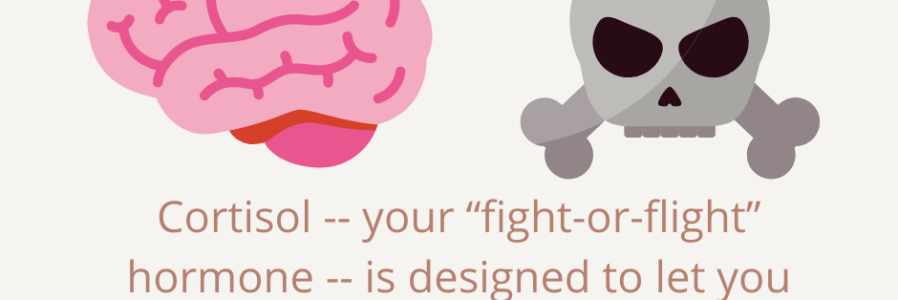
Hormonal Regulation: Cortisol is often referred to as the body’s primary stress hormone because it plays a central role in the physiological response to stress. Produced by the adrenal glands, cortisol helps regulate various bodily functions, including metabolism, immune response, and the sleep-wake cycle. Under normal conditions, cortisol levels follow a diurnal rhythm, with peak levels occurring in the early morning to help wake you up and prepare you for the day, followed by a gradual decline throughout the day and reaching their lowest point during the night.… Read More Cortisol

Prefrontal Cortex

The prefrontal cortex (PFC) is often referred to as the brain’s “CEO” or “executive center” because it plays a critical role in orchestrating a wide range of complex cognitive processes and behaviors, including decision-making, impulse control, planning, problem-solving, and emotion regulation. Let’s delve into the intricacies of the prefrontal cortex and its relationship with sleep:… Read More Prefrontal Cortex

Amygdala

The amygdala is a small, almond-shaped structure located deep within the brain’s temporal lobe, and it plays a central role in processing emotions, particularly fear and threat-related stimuli. It’s often described as the brain’s “emotional hub” because of its involvement in emotional responses, emotional learning, and the formation of emotional memories. Let’s explore the amygdala in more depth:… Read More Amygdala

REM

Neurotransmitter Balance: Sleep is intricately linked to the balance of neurotransmitters in the brain, particularly serotonin and dopamine, which are crucial for mood regulation. Serotonin is often referred to as the “feel-good” neurotransmitter because it helps regulate mood, appetite, and sleep. Dopamine, on the other hand, is involved in motivation, reward, and pleasure. When you get enough sleep, these neurotransmitters are produced and regulated in optimal amounts, contributing to emotional stability. However, when sleep is disrupted or inadequate, the production and balance of these neurotransmitters can be thrown off, leading to mood swings, irritability, and anxiety.… Read More REM

Sleep

Restoration and Repair: During sleep, your brain goes into overdrive, repairing and restoring itself. This includes consolidating memories, processing emotions, and clearing out toxins. Without enough sleep, these processes are disrupted, leading to cognitive impairment and emotional instability.… Read More Sleep

Con Artists

One of the most insidious aspects of con artistry is its ability to evolve and adapt to changing circumstances. With the rise of technology, for instance, we’ve seen an explosion of online scams, phishing emails, and identity theft. These digital con artists leverage anonymity and the vast reach of the internet to target unsuspecting individuals.… Read More Con Artists